

Reviewed · ENGLAND
A Story of Discovery, Education and Remembrance
A memorial that teaches both sides. The International Bomber Command Centre in Lincoln uses the UK’s tallest metal war memorial and an Orchestra of Voices approach to help you make sense of Bomber Command in WWII.
What I like most is how the exhibits go beyond slogans, pairing interactive displays with the names of those who were lost. The second thing I really appreciate is the gentler pace you get after the hard facts, especially in the Peace Gardens.
One thing to plan for: this is emotionally serious subject matter. If you or your group prefers light, upbeat attractions, you may want to schedule this earlier in the day and build in some quiet time afterward.
In This Review
- Key highlights at a glance
- Entering the International Bomber Command Centre, Lincoln
- The 31.09m metal war memorial and the City of Lincoln views
- Three interactive galleries and the Orchestra of Voices
- Finding names in the Losses Database
- Peace Gardens for a slower kind of remembrance
- The free guided tours, and why they matter
- Hub Café: a practical break that keeps the day going
- Price, time, and value for a half-day commitment
- Getting there, opening hours, and what to expect on site
- Who this visit suits best
- Should you book this visit?
- FAQ
- How long does the visit take?
- What does the ticket include?
- Where is the ticket redemption point?
- What are the opening hours?
- Is parking included in the price?
- Are the tours available in English?
- Is the centre accessible for people with mobility needs?
Key highlights at a glance

- A 31.09m metal memorial you can photograph, with views over the City of Lincoln
- Names for nearly 58,000 individuals connected to Bomber Command, via the Losses Database
- Three interactive exhibition galleries shaped through the Orchestra of Voices
- Free tours of the memorial and peace gardens led by experienced guides
- Two landscaped Peace Gardens for a slower moment of remembrance
- Hub Café with locally sourced food and drink on site
Entering the International Bomber Command Centre, Lincoln
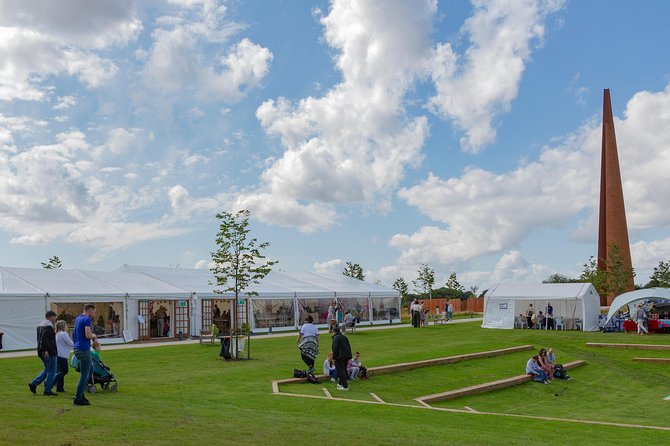
This visit is for people who want to understand WWII memory in a more careful way. Bomber Command sits inside a contentious chapter of history, and this centre does not treat the topic like a simple good versus bad story. Instead, it gives you room to see how people experienced the conflict, what it meant to them, and how remembrance is handled.
I like that the experience mixes big symbolism with small personal details. You get a towering metal memorial outside, and inside you get galleries designed to help you connect facts to real lives. If you do one thing here, do not rush. This place works best when you let yourself read, reflect, and then pause.
The centre also keeps the experience visitor-friendly. It offers free guided tours, and it includes time outdoors so you are not trapped indoors for a half-day of heavy content. For many people, that balance is the difference between a quick look and a lasting understanding.
A few more Nottingham days worth comparing
- Nottingham Treasure Hunt Adventure – Robin Hood’s Secret Stash
★ 5.0 · 99 reviews - Daily Nottingham City Centre Walking Tour (10:30am)
★ 5.0 · 81 reviews - Airport Taxi Service | Nottinghamshire to London Heathrow Airport
★ 5.0 · 36 reviews
The 31.09m metal war memorial and the City of Lincoln views
Your first big “wow” moment is the memorial itself, a 31.09m tall metal structure. It is hard to miss, and it is built to make you look up. Even if you are not a photography person, this is one of those settings where photos end up being the natural way to capture the scale.
You also get views over the City of Lincoln. That matters more than it sounds. The memorial is not only a record of wartime loss, it is a physical marker that says, this happened, and the place around it is still here. Taking a few minutes to look out over the city can help the mind shift from the exhibit world back to your real surroundings.
One practical tip: wear shoes you can stand in. The memorial area and the related walk take more time than many people expect, especially if you slow down to read plaques or take photos. If you come with family, this is a good place to build in short breaks.
Three interactive galleries and the Orchestra of Voices
After you start with the memorial, the exhibitions pull you into the “how” and “why” behind Bomber Command. The centre has three interactive and hands-on exhibition galleries. They are designed to help you learn about the period through the eyes of those involved on all sides.
I appreciate the focus on perspectives. WWII history can get flattened into one-liner conclusions. Here, you spend time with accounts that show the human stakes, not just the military facts. Even when you are not sure how you feel about what happened, you can usually follow the story enough to understand why it remains difficult to talk about.
The exhibitions use both interactive elements and static information. That combination helps people with different learning styles. If you like to read and absorb, there are details to take in. If you prefer a more active approach, the interactive sections make you work a little, which often helps the information stick.
A good approach is to do the galleries once at a steady pace, then circle back to any section that catches your attention. The centre works well for that slower replay feeling.
Finding names in the Losses Database

One of the most powerful parts of the visit is the chance to see names. Nearly 58,000 individuals who lost their lives serving Bomber Command are listed, and you can use the Losses Database to learn more through the centre’s listings.
This is the part many people remember most. In practical terms, it gives you something specific to do. Instead of absorbing general information, you can search for a family connection and spend real time with those entries.
If you plan to look for a relative, give yourself extra time. Do not assume you will only find what you already know. Names, spellings, and service details can take a bit of patience. Even if you come with no personal connection, browsing the listings can still feel grounding because you are seeing the scale in a concrete, human way.
Tip: take a photo of anything you want to revisit later, but keep your phone use respectful if the space feels quiet or memorial-focused. A brief note for yourself on your phone can save time later.
Peace Gardens for a slower kind of remembrance
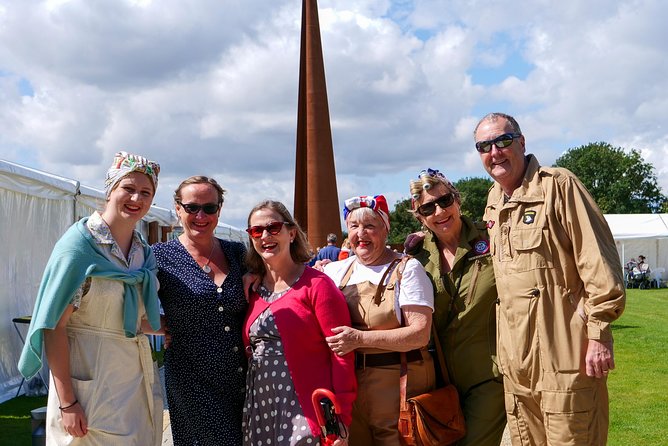
Once you have absorbed the exhibits and the memorial scale, the Peace Gardens provide a needed reset. The centre has two landscaped peace gardens, and the outdoor setting changes the mood immediately.
I like how this part of the experience does not try to compete with the history. It gives you quiet space to process. The walking pace slows down naturally, and you have time to take in light, paths, and the simple act of standing still.
If you are visiting with kids, this is often where the day turns from “hard stories” into something calmer. It is easier for younger visitors to breathe, reflect, and regroup before going back indoors for any remaining galleries or for the café.
Photos here are different from photos at the memorial. The best pictures tend to be less about grand angles and more about capturing the feeling of the space, the symmetry of paths, or people standing quietly in front of memorial features.
The free guided tours, and why they matter

A big value add is that you can join free tours of the memorial and gardens. The centre’s guides are experienced, and the tours help you read the site faster and more thoughtfully than you might on your own.
In particular, guided tours can help you understand what to notice. You might see a memorial and think you already get the idea, but a guide can point out details tied to remembrance, names, and the meaning behind the design. If your group includes someone who wants structure, the tour gives it.
If you arrive early or you manage a quieter time window, you may have more flexibility in pace and questions. That can make a guided tour feel more like a conversation than a lecture.
When you go on the tour, bring one or two questions with you. For example: what should I pay attention to in the memorial? Which part of the exhibitions is most useful if I want multiple perspectives? Having your own focus makes the guide’s commentary click better.
Hub Café: a practical break that keeps the day going
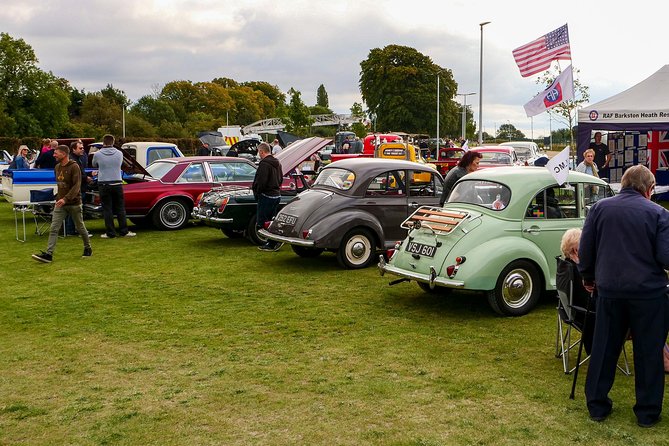
You are not stuck planning a separate meal. The Hub Café offers locally sourced food and drink, and it is on site. That is handy if you want to spend the full 2 to 5 hour window without worrying about transport, queues, or where to find something nearby.
If you are visiting with children, this matters even more. The day’s content is serious, so a break can keep the group from getting overwhelmed. The café gives you that reset button.
A practical strategy: eat before you feel tired. If you wait until you are drained, the exhibits can feel harder. If you take a meal break when energy is still good, you will usually enjoy the last part of the visit more.
Price, time, and value for a half-day commitment
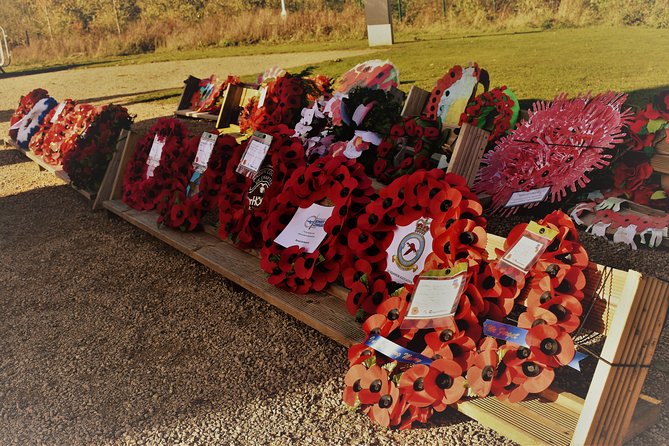
The ticket price is $15.94 per person, and all fees and taxes are included. For this kind of centre, that pricing feels fair because the admission covers access to the exhibitions, the memorial experience, and the option to take the free tours.
Duration is listed as 2 to 5 hours (approx.). That range tells you something important. You can do a shorter visit if you focus on the memorial, one gallery, and a quick garden walk. Or you can stretch it out if you want to search names and spend time reading.
If you are paying for one major cultural stop in the area, this can be a strong value pick. It is not just “look and go.” You can genuinely tailor the time based on whether you want personal remembrance, broader context, or a family-friendly flow.
Getting there, opening hours, and what to expect on site
The ticket redemption point is the International Bomber Command Centre at Canwick Ave, Lincoln LN4 2HQ, UK. The opening hours are Tuesday to Sunday from 9:30 AM to 4:00 PM, within the listed date range.
The centre is near public transportation, which helps if you do not want to deal with parking. Parking fees are not included in the ticket, so if you plan to drive, budget for that separately.
Accessibility details are clearly supported. A Changing Places Facility is available, and service animals are allowed. Most visitors can participate, and the site is set up for practical access.
Who this visit suits best
This is a strong match if you:
- Want a WWII experience that shows multiple perspectives, not a single-note storyline
- Care about remembrance through names and records, not only general facts
- Enjoy memorial architecture and want a place you can read and photograph
- Are looking for a family-friendly educational stop that still respects the subject matter
It is also a good choice if your group needs a balance of structured learning and quiet space, because the day includes both galleries and the Peace Gardens.
If you are very sensitive to emotional content, you might still visit, but go with a plan. Schedule it earlier, take breaks when needed, and remember that the calm garden time is part of the design of the experience.
Should you book this visit?
Yes, if you want an organized, reflective stop that connects WWII scale to individual names, and you appreciate a thoughtful presentation of a difficult topic. The combination of the 31.09m memorial, the interactive galleries, and the free guided tours makes the ticket feel like more than a simple entry fee. Add in the Peace Gardens and the café, and you have a complete half-day experience that does not rush you.
If you only want light sightseeing with minimal emotion, you may find the subject matter heavy. But if you are ready for a serious, respectful visit with practical structure, this is a very worthwhile booking.
FAQ
How long does the visit take?
It’s listed as 2 to 5 hours (approx.). You can do a shorter version if you focus on the main memorial and one or two areas, or take longer if you spend time searching names and moving slowly through the exhibitions.
What does the ticket include?
The admission ticket includes all fees and taxes. It also includes access to the exhibitions and the memorial experience, with free tours of the Memorial and gardens available.
Where is the ticket redemption point?
You redeem your ticket at the International Bomber Command Centre, Canwick Ave, Lincoln LN4 2HQ, UK.
What are the opening hours?
The posted opening hours are Tuesday to Sunday, 9:30 AM to 4:00 PM, within the listed date range.
Is parking included in the price?
No. Parking fees are not included.
Are the tours available in English?
Yes, the experience is offered in English.
Is the centre accessible for people with mobility needs?
A Changing Places Facility is available. Service animals are allowed, and the experience notes that most travelers can participate.
Recently added around Nottingham
- Nottingham Treasure Hunt Adventure – Robin Hood’s Secret Stash★ 5.0 · 99 reviews
- Airport Taxi Service | Nottinghamshire to London Heathrow Airport★ 5.0 · 36 reviews
- Daily Nottingham City Centre Walking Tour (10:30am)★ 5.0 · 81 reviews