
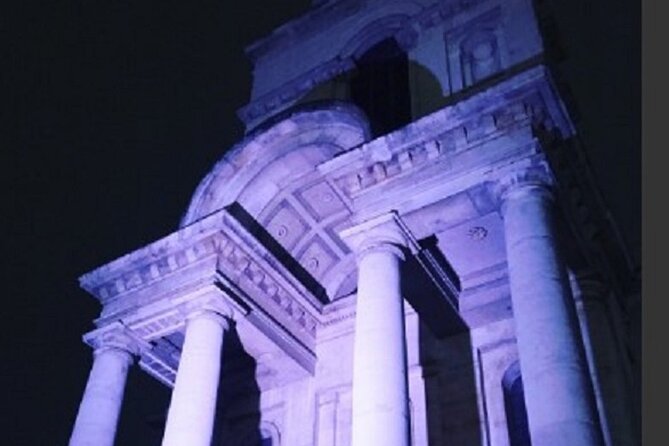
Reviewed · JACK THE RIPPER TOURS
Jack the Ripper Tour Whitechapel
Backstreets, darkness, named places. This Jack the Ripper tour in Whitechapel strings together real locations tied to specific victims and explains them with photo-led storytelling you can actually follow. It also gives you the everyday setting around late 19th-century poverty, not just the headlines.
I love that the route works like a guided map through the area, with each stop tied to what happened there and why it mattered. My main consideration is that the subject is grim, so it is not recommended for anyone with a nervous disposition or who is squeamish, and there are age limits (no under 14, and 14 to 16 must be with an adult).
In This Review
- Key highlights you will feel on the walk
- Price and what that $23.31 really buys you
- Meeting point, timing, and how long to plan for
- The guide style: clear visuals and a respectful tone
- Stop-by-stop: from The White Hart into Whitechapel’s tough streets
- Martha Tabram at Gunthorpe Street Workshops
- Polly Nichols and the Frying Pan connection on Brick Lane
- Annie Chapman’s murder site on Hanbury Street
- The night of the double event outside 4 Princelet St
- The letters outside 6 Puma Ct
- Ten Bells and the Mary Kelly corner near Spitalfields Market
- London Fruit and Wool Exchange courtyard and possible suspects
- What to wear and how to make the most of an evening walk
- Who should book Jack the Ripper Tour Whitechapel
- Should you book this tour or choose something else?
Key highlights you will feel on the walk

- A focused evening start (7:00 pm) in the Whitechapel streets, which helps the atmosphere work in your favor
- Named, victim-linked stops like Martha Tabram, Polly Nichols, Annie Chapman, and Mary Kelly
- Photo support on a large iPad so you are not just listening, you are seeing key details
- Strong social context about deprivation and daily life, not only the crimes
- A respectful tone that keeps the mood serious rather than turning it into entertainment
- Small-group feel (max 40) that makes it easier to hear the guide and ask questions
Price and what that $23.31 really buys you
At about $23.31 per person, this is one of the more budget-friendly ways to explore the Whitechapel connections to the Jack the Ripper case. You are not paying for museum entry or transportation. You are paying for a live guide who can do two hard things well: explain the case clearly and place it back into the neighborhoods where people lived.
What makes the value feel real is the way the tour is designed around stops you can visit on foot. You get a guided sequence from the start point near Whitechapel High Street, then onward through narrow lanes and recognizable corners tied to the stories. Even if you already know a few names, the tour’s strength is how it connects events to locations and to the social conditions that shaped the area.
One small practical note: the tour does not include bottled water. If you tend to get thirsty, bring a bottle, especially if the weather is cold. You will also want comfortable shoes because this is an outdoor walk in a neighborhood that is historically linked to older street surfaces.
More Jack the Ripper walks:
- London Jack the Ripper Guided Tour with Ripper-Vision
★ 4.5 · 4,840 reviews - Ultimate Jack the Ripper : Guided Tour of London
★ 5.0 · 1,495 reviews - The Original Jack the Ripper : Guided Tour
★ 5.0 · 1,264 reviews
Meeting point, timing, and how long to plan for
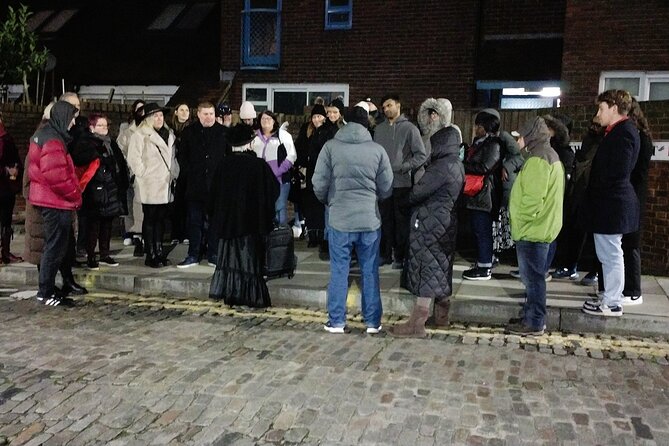
The tour meets at The White Hart, 89 Whitechapel High St, London E1 7RA and starts at 7:00 pm. It ends near Bell Lane, London E1 7LA. It is a few minutes’ walk from Liverpool Street Station, so you can anchor your evening around a direct tube or train connection and then walk in.
Duration is listed at about 1 hour 15 minutes, but the pace can stretch depending on the group and questions. If you want a low-stress evening plan, I recommend you pencil in closer to around 2 hours total, plus time for dressing warm and finding the exact meeting spot early.
This matters because a late start on a winter night can sneak up on you. If you are trying to book dinner after, give yourself a buffer. The tour ends at Bell Lane, which is also a decent launching point for grabbing something to eat in the wider Whitechapel and Brick Lane area.
The guide style: clear visuals and a respectful tone
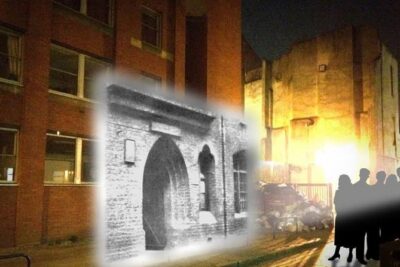
A big reason people rate this tour highly is delivery. The guide uses photo support on a large iPad, and that changes everything. Instead of trying to picture old streets from memory, you can see the kinds of places being discussed and understand why a particular location fits the story.
I also like the way the guide keeps the experience serious. The tone stays respectful toward the deceased, which helps the whole walk feel grounded in history and place rather than shock value. You will still hear about murders, but the presentation is handled professionally.
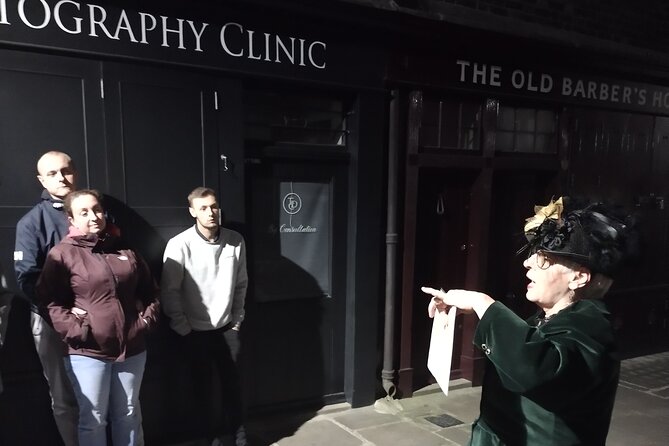
On top of that, some guides bring a lively, story-driven energy. In one case, Celine led the tour and managed to be clearly heard even without a microphone. If you want the best experience, arrive a little early, pick a spot where you can see the iPad clearly, and stay close enough to hear every detail.
You do not need to be a superfan. The tour works even if your knowledge is basic, because it builds context and then tracks the case through the neighborhood.
Stop-by-stop: from The White Hart into Whitechapel’s tough streets
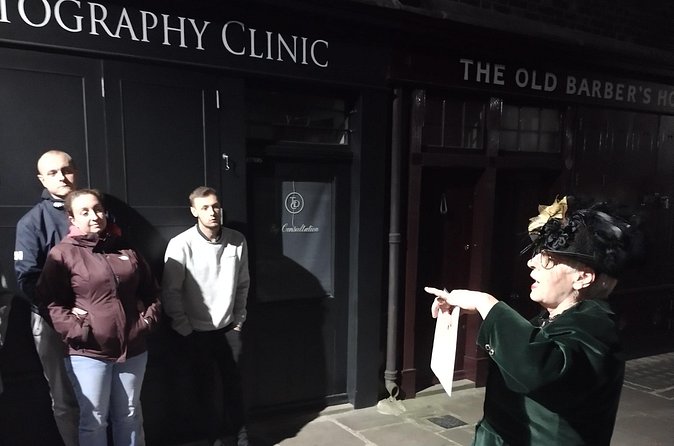
Your walk begins at The White Hart, behind it and just off Whitechapel High Street. Here you get a short introduction focused on social deprivation and poverty at the time. This sets the foundation, and it helps you understand why the streets, housing, and local routines mattered when crimes were happening nearby.
This first stretch is important because it trains your brain to pay attention to everyday details, not just dramatic moments. You learn how the area functioned for working people, and then the tour shifts from broad conditions into specific locations tied to named victims.
If you are the type who tends to tune out during long explanations, you will probably still stay engaged here because the guide is not just reciting dates. You are getting a sense of what life was like, and then you are walking.
A downside to consider: since the focus is on real murders and violent events, this is not the best choice for anyone who wants a light, casual night out. Even if you are fine with crime stories, it can feel heavy.
A few more London days worth comparing
- Stonehenge, Windsor Castle, and Bath from London
★ 4.5 · 18,662 reviews - London Big Bus Hop-On Hop-Off Tour with Optional River Cruise
★ 3.5 · 10,803 reviews - London Small Group Tour of Historical Pubs
★ 5.0 · 10,422 reviews - Stonehenge, Windsor Castle and Bath with Pub Lunch in Lacock
★ 4.5 · 7,402 reviews
Martha Tabram at Gunthorpe Street Workshops

Next you head to Gunthorpe Street Workshops, across from the murder site of Martha Tabram. This stop is short, around five minutes, but it is specific. The guide ties the location to the case and keeps it anchored to what you are standing near.
This is where the tour’s “walking map” approach really works. Instead of jumping around London and hoping you can mentally place everything, you stay in one part of Whitechapel and learn the neighborhood as you go.
Practical tip: keep your eyes up for the exact spot the guide points out. With street corners and workshop-style buildings, it is easy to miss the meaningful reference if you are distracted by shop signs or traffic. Stay focused for the whole five minutes.
Polly Nichols and the Frying Pan connection on Brick Lane
On Brick Lane, you stop at 9 to 11 Brick Lane, tied to Polly Nichols’ last drink at The Frying Pan Pub. This is one of the more recognizable-feeling stops because Brick Lane is lively and easy to orient around, even when you are walking near the edges of older streets.
I like this kind of stop because it is not only “crime location.” It is also about daily life, what a person might have been doing shortly before events unfolded, and how pubs and street routines fit into the neighborhood story.
This stop also tends to land well if you are new to the case. It gives you a clear reference point you can picture later when you are back online or reading more about the topic.
Quick consideration: because Brick Lane is busy, you may want to step slightly off the main flow when the guide speaks, so you can hear clearly.
Annie Chapman’s murder site on Hanbury Street
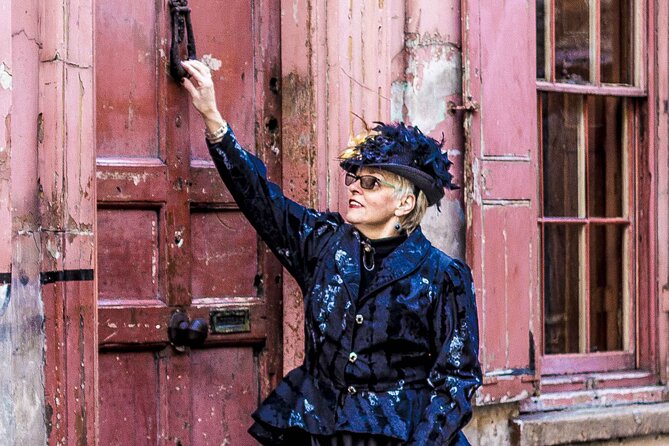
Then the walk turns to Hanbury Street, at 29 Hanbury St, connected to Annie Chapman. This stop keeps the momentum going, with the guide connecting the named location to the narrative and explaining why it is part of the case trail.
What helps here is that the tour does not treat each point like an isolated fact. It keeps reminding you that these events happened in an environment shaped by overcrowding and hardship, which affects where people went and what routes were likely.
If you are hoping for a “mystery puzzle” vibe, this is where you start seeing how the guide builds theories from places rather than only from speculation. You get a sense of how evidence and location details can lead to different interpretations.
The night of the double event outside 4 Princelet St
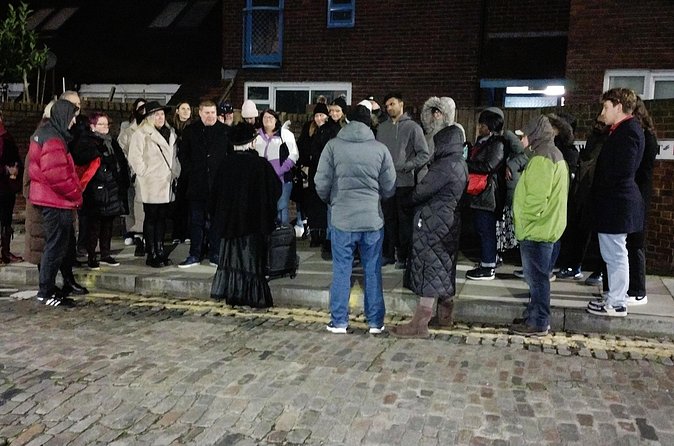
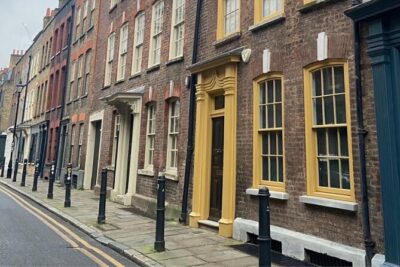
One of the longer feels in the middle is at E1 6QH, tied to the night of the double event outside 4 Princelet St. The guide also points out a building that has stood since the 1700s, which adds a strong sense of time depth.
This stop is valuable because it does what crime tours often forget. It gives you the “why does it still look like this?” connection. Standing near older buildings helps your brain understand that these stories are not trapped in a book. The physical city holds on to traces.
You will likely get a bit more explanation here, and you should be ready for the conversation to feel more intense. If you are squeamish, this is probably the point where you will want to judge your own comfort level.
The letters outside 6 Puma Ct
Next is 6 Puma Ct, focused on the letters. This stop shifts the tour slightly away from pure location and toward the case communications angle.
Even if you do not know the full history, it helps to see where these things were connected to in the neighborhood. It makes the case feel less like a faraway legend and more like a series of actions and messages shaped by the same streets.
Because this stop is short, you will get best results if you listen carefully to what the guide emphasizes. This is not the kind of spot where you can wander and still follow the thread.
Ten Bells and the Mary Kelly corner near Spitalfields Market
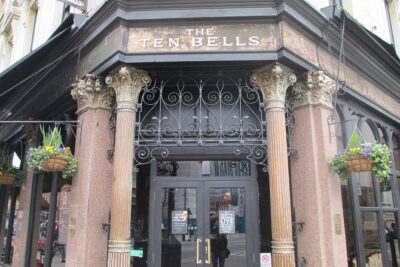
Now you get a change in energy. At Ten Bells Pub and the Mary Kelly corner near Spitalfields Market, you pause at a junction that feels very “London” even as it remains tied to the darker side of Whitechapel’s past.
This is a key stop for two reasons. First, the guide connects the story to a place where people would have passed in daily life. Second, it helps you transition from theory and location details into a more narrative rhythm.
Practical move: if you plan to grab something to eat after, this is a good place to mentally map where you want to go next. You will end up in an area where options are close, which makes the evening feel like more than just the walk.
London Fruit and Wool Exchange courtyard and possible suspects
The final stop is London Fruit & Wool Exchange, at 60 Brushfield St, tied to Mary Kelly’s murder at 13 Millers Ct and what the case could suggest, including possible suspects, with discussion in the courtyard.
Courtyards tend to work well for storytelling. They focus sound, give you a contained space to listen, and make the ending feel purposeful rather than like the tour abruptly wraps. The courtyard also adds variety to the walk, so the last minutes feel distinct from the earlier street corners.
If you are the kind of visitor who likes a clear ending, this works because you are finishing with both a named location and a discussion-based element. The guide is not only pointing at streets, they are guiding you through how the case is interpreted from within the urban layout.
What to wear and how to make the most of an evening walk
Because this is an evening start and much of it is outdoors, think practical. Wear layers, especially if you travel in winter. One reason the tour is frequently praised is that the guides keep people engaged even when the night gets cold, but you still want your body comfortable enough to stay focused.
Bring:
- Comfortable shoes with grip
- A warm layer or two
- Water, since bottled water is not provided
Also, plan for a moderate physical fitness level. This is a walking tour, and you will be on streets and sidewalks for the duration.
If you are sensitive to dark themes, consider whether you are okay with a serious, crime-focused walk. The tour is not recommended for nervous disposition or if you are squeamish. That is not a small warning, it is the whole point of who should or should not book.
Who should book Jack the Ripper Tour Whitechapel
This tour is a great fit if you want:
- A guided walk through Whitechapel that stays in one tight area
- Named, location-specific stops tied to well-known figures in the case
- A guide who uses tablet photos to keep the story clear
- A serious tone that aims for respectful storytelling
It is especially good for first-timers who know the broad legend but want the neighborhood context. It also suits people who like city history but get tired when history becomes a lecture. Here, you walk, you stop, you look, you learn.
I would skip it if:
- You are uncomfortable with graphic, crime-heavy topics
- You need kid-friendly content, since there are strict age limits
- You want a short, casual, low-emotion stroll
Should you book this tour or choose something else?
If you are choosing between “a quick overview” and “a guided neighborhood experience,” this is the one that leans real. The route keeps you oriented in Whitechapel, the guide uses photo support to make details easier to grasp, and the tone stays respectful rather than sensational.
Book it if you want to walk the streets at night, connect murders to specific places, and come away with a stronger sense of what Whitechapel was like day to day. Skip it if you are squeamish, prefer lighter themes, or you are traveling with children under the allowed age.
Bottom line: for many people, this feels like the best way to understand the case as a story tied to geography, not just a ghost story told in headlines.
Recently added around London
- Stonehenge Private Tour★ 5.0 · 4 reviews
- Private Transfers From Heathrow Airport to Central London★ 5.0 · 8 reviews
- Professional Private Couple Photoshoot★ 5.0 · 35 reviews
- Private transfer to Southampton with a stop at Stonehenge★ 4.5 · 33 reviews
- Private transfer from London Heathrow Airport to Southampton★ 5.0 · 3 reviews
- Private London Panoramic Tour by Car with Pick Up From Your Hotel★ 5.0 · 13 reviews
- Private Transfer Any London Hotel to Southampton Cruise Port★ 5.0 · 7 reviews
- Private driver tours to Leeds Castle, Canterbury, White Cliffs★ 4.5 · 30 reviews
Jack the Ripper Tours, compared.
London Jack the Ripper Guided Tour with Ripper-Vision
Read our review →
Ultimate Jack the Ripper : Guided Tour of London
Read our review →
Jack the Ripper Tour with ‘Ripper-Vision’ in London- Afternoon
Read our review →
Browse the lists this tour appears in