
Reviewed · BRITISH MUSEUM TOURS
London: British Museum Guided Tour
A museum this big can swallow your day. This 2-hour tour cuts a smart path through the British Museum’s greatest hits with expert narration. You’ll see major objects that usually take hours to place in context.
I especially like how the guide helps you make sense of what you’re staring at, from the museum’s first collection stories to the big-ticket masterpieces. You also get the advantage of a small group, capped at 20.
One possible drawback: the tour moves briskly, and a few guests have noted that accents and side stories can make certain details harder to catch. If you prefer slow, quiet looking, this may feel a bit fast.
In This Review
- Key things to know before you go
- A 2-hour “best of” that actually fits London time
- Entering the British Museum route, and why the meeting point matters
- Enlightenment Rooms: Hans Sloane and the King George III Library
- Rosetta Stone: the story, then the real thing
- Egypt beyond the Rosetta: Portals of Life and afterlife beliefs
- Africa highlights, plus the Tree of Life peace message
- Assyrian and Classical stops: Parthenon sculptures and the Greek thread
- Romans and Rome: watching an empire through objects
- Guides make the museum, and names you might hear
- Price and logistics: what you’re paying for, and what you skip
- What to bring for a two-hour highlights sprint
- Who should book this British Museum guided tour?
- Should you book it?
- FAQ
- How long is the British Museum guided tour?
- Is museum admission included in the tour price?
- What does the tour cost?
- Where do you meet for the tour?
- How many people are in the group?
- Is there free cancellation?
Key things to know before you go
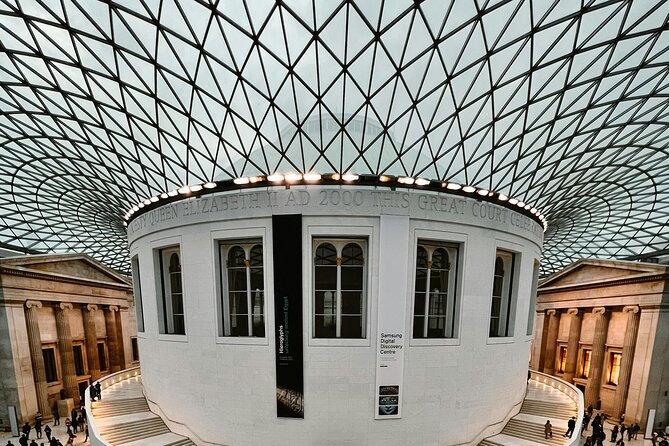
- A tight 2-hour route through top galleries, with admission included
- Rosetta Stone time twice, once for the story, then for the real artifact
- Benin Bronzes plus Egypt highlights in the same afternoon plan
- Tree of Life sculpture made from decommissioned weapons, with a peace message
- Major world civilizations covered in order, Assyrian to Greek, then Roman
- Small group size (max 20) helps you ask questions and stay on track
A 2-hour “best of” that actually fits London time
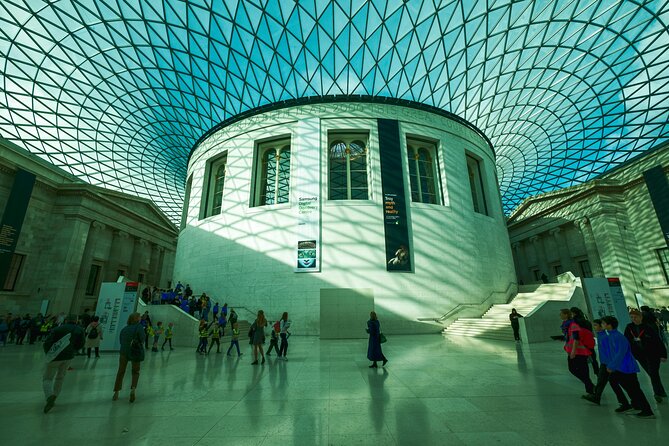
The British Museum is not the kind of place where you can wander randomly and come out educated. It’s huge, and the galleries can blur together fast. This guided format solves the biggest problem: it picks a route you can realistically finish, in about two hours.
At $31.55 per person, the value comes from speed plus guidance. Admission is included, and you’re not paying extra for a complicated add-on. This is also one of those tours that works well if you have only one museum day, or if you’re trying to slot something meaningful between other London plans.
That said, two hours is still two hours. You’ll see a lot, but you won’t get long, quiet time in any one gallery. If you want to read every label or do a deep, slow museum day, you may want additional unguided time afterward.
More British Museum tours:
- British Museum London Guided Tour Semi-Private 8ppl Max
★ 5.0 · 984 reviews - The British Museum London – Exclusive Guided Museum Tour
★ 5.0 · 555 reviews - British Museum Guided Tour
★ 4.0 · 470 reviews
Entering the British Museum route, and why the meeting point matters
You start at Great Russell St, London WC1B 3DG and end back near the same meeting point. That matters more than it sounds. The museum is designed so you can lose time moving between areas. Beginning with a plan from the first moments helps you avoid the classic problem of spending your energy finding the next room.
You’ll be walking inside the museum with a live guide. There’s no mention of an air-conditioned vehicle because this is really a feet-and-focus experience. Near public transportation, the location makes it easy to pair with nearby stops, too.
Group size is up to 20. That’s big enough to feel social, but small enough that the guide can keep everyone together without shouting over the crowd. In busier seasons, you’ll still notice congestion. The British Museum can be full, especially in summer, but a guided group helps you keep moving.
Enlightenment Rooms: Hans Sloane and the King George III Library
Early on, you get a foundation that makes the rest of the museum click. The tour begins with the Enlightenment Room and the Hans Sloane collection, where you’re shown how collections formed long before modern museum labels were standardized. You’ll also see that Sloane’s collecting wasn’t only art and artifacts, but also natural specimens.
This matters because it explains the museum’s mindset. The British Museum wasn’t born as a single-theme place. It grew as a collection of knowledge. Once you grasp that, you stop treating objects like random “cool things” and start seeing them as part of a bigger story about curiosity, collecting, and learning.
Then you’ll move to the King George III Library. It’s a reminder that the Enlightenment wasn’t only about discoveries in laboratories. It was also about how intellectual life was organized, stored, and shared. Even if you are not a book person, the library stop gives you context for how objects and ideas traveled together.
A small practical note: if you like to take photos, do it early at these calmer rooms, before the rest of the group funnels into the more crowded “signature objects.”
Rosetta Stone: the story, then the real thing
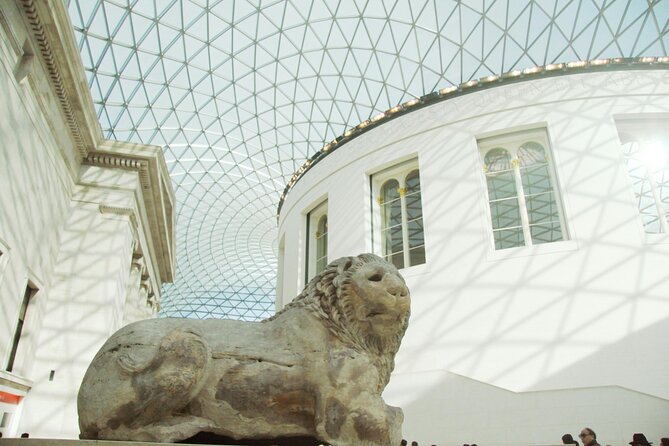
One reason people love this tour is how it treats the Rosetta Stone. You don’t just get the one famous artifact and move on. You get the deciphering angle, then you’re led back to see the real Rosetta Stone as the key piece that helped crack Egyptian hieroglyphs.
That structure is smart. First you learn why it matters. Then you see it with that meaning in your head. Instead of standing there thinking, I should know what this is, you stand there with an actual purpose.
The guide also helps you link the Rosetta Stone to the wider Egypt sections that follow. That matters because Egypt can feel overwhelming on your own. The museum has many rooms, multiple time periods, and a lot of objects that need context to connect.
If you’ve ever struggled with museum fatigue, this is one place where a guide genuinely helps. The Rosetta Stone stop becomes a mental anchor for everything else in the Egyptian galleries.
More museum visits in London:
- Tower of London and Crown Jewels Exhibition Ticket
★ 4.5 · 6,677 reviews - Chelsea FC Stadium Tours and Museum
★ 5.0 · 1,908 reviews - Official tickets: Moco Modern & Contemporary Art Museum
★ 4.5 · 1,157 reviews - The Postal Museum Admission Ticket
★ 4.5 · 347 reviews
Egypt beyond the Rosetta: Portals of Life and afterlife beliefs
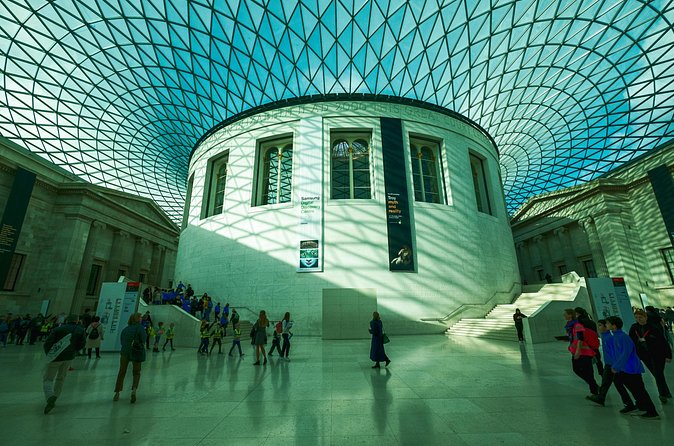
After the Rosetta focus, the tour shifts into deeper Egypt themes with Portals of Life, which centers on beliefs about death and the afterlife. This is where you start seeing how the objects were not just decorative, but tied to rituals, identities, and worldview.
This section is valuable for two reasons. First, it gives you a human scale to the collection. Second, it helps you understand why Egyptian artifacts include so many symbols that seem repetitive until you know what they are doing.
You’ll likely notice how the guide connects these ideas across rooms. The tour format does that job quickly, so you spend less time hunting for meaning and more time building it.
Africa highlights, plus the Tree of Life peace message
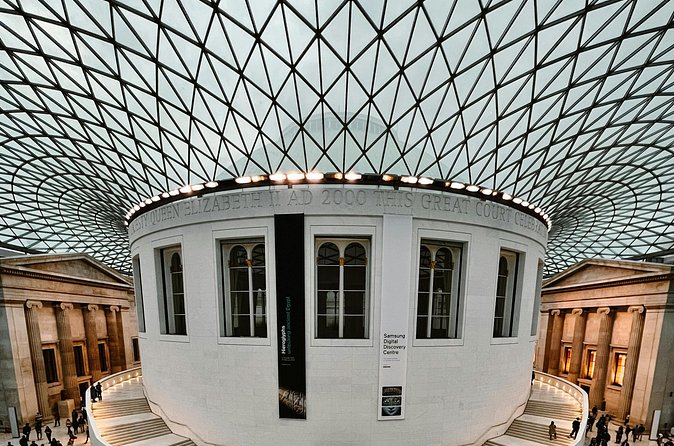
The tour includes striking stops in the Africa section, starting with the Hoa Monument. You’ll see it presented as a dramatic, recognizable form, and the guide frames it so it doesn’t feel like a random inclusion.
Then you get the Benin Bronzes. This is one of the big crowd-attractors for a reason. The brass plaques and sculptures carry intricate detail, and the guide helps you understand what you’re looking at beyond the surface beauty. You get a sense of the Kingdom of Benin and how the objects functioned within that world.
After that comes a unique contrast: the Tree of Life sculpture made from decommissioned weapons. The point here is the message. It turns “war material” into a symbol of peace, using art to comment on history. It’s the kind of stop that makes you pause, not just look.
Two things to consider here. One, the contrast between regions and themes can feel fast, since the tour is only two hours. Two, you’ll want to manage your expectations: you’re seeing highlights, not every adjacent context room. If you feel emotionally moved by a piece, plan to circle back later on your own with more time.
Assyrian and Classical stops: Parthenon sculptures and the Greek thread
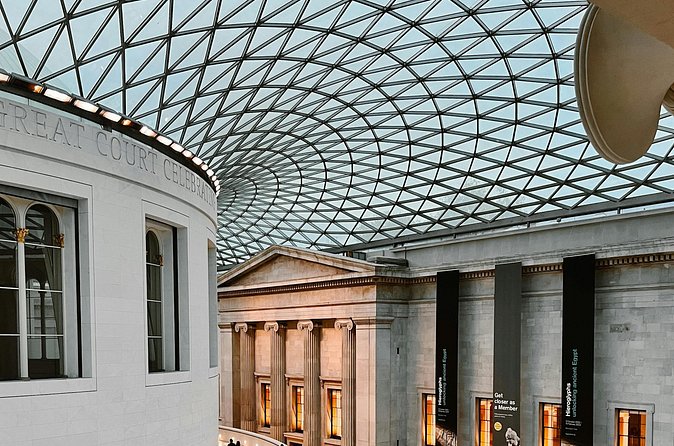
Next up, you’ll move into the Assyrian Monuments area, with stone reliefs and sculptures that show power, movement, and storytelling in carved form. On your own, Assyrian art can feel like walls of detail. With a guide, it becomes readable. You start noticing repeated motifs and the way scenes build narrative across space.
Then comes the Parthenon Sculptures stop, often linked in popular conversation to the so-called Elgin Marbles. You’ll see major Greek marble sculptures, and the guide helps you place them in the broader Greek story rather than treating them like isolated masterpieces.
From there, you’ll continue with Greeks in Italy and Cyprus. That stop matters because it shows how Greek influence spread beyond a single homeland. The museum is a great place to notice cultural travel, not just cultural invention.
If you love art history, this sequence is a strong payoff. It’s not one room of Greek and done. It’s a chain, from Assyria’s dramatic presence to Greek sculpture and then the wider Mediterranean influence.
Romans and Rome: watching an empire through objects
The tour ends with the Romans and Rome section, where you see how Roman rule and culture made their mark across the lands they controlled. Even in a quick tour, Roman objects tend to feel different. They carry a sense of administration, identity, and public life.
The value here is that you get a final “thread.” You’re not just collecting highlights in your brain, you’re connecting them. The museum becomes less random and more like a timeline you can walk through.
It’s also a good mental wind-down. After the intense details of earlier stops, Roman objects can feel like a clearer landing point before you leave.
Guides make the museum, and names you might hear
This kind of tour lives and dies by the guide. The reviews give you a clue that the best guides do two things well: they explain, then they point out. Without that, the museum can feel like information overload.
One guide name you may hear is Filomena. People describe her as passionate and strong on explaining history and details. That’s a real advantage in a museum like this, because many objects only feel meaningful when you know what to look for and why it was collected.
Another guide name that comes up is Maya. Her style is described as friendly and knowledgeable, including an ability to share what she’s seen across countries. If you like context that connects objects to real-world travel impressions, guides like this can make the tour feel more grounded.
Still, not every experience is identical. One review notes that an accent can be difficult to understand, and that there can be too many small stories or side talks that break focus. If you depend on every word, arrive ready to work a little, and don’t be afraid to ask the guide to repeat a key point while you’re moving room to room.
Price and logistics: what you’re paying for, and what you skip
At $31.55 per person for about two hours, you’re paying for three things:
- admission included
- a live guide to connect objects into a route you can follow
- time saved by avoiding the “where do we go next” problem
You’re not paying for food, so don’t expect included coffee or tea, and there’s no brunch. You also should not plan on a vehicle. This is walking through the museum. That can be a good thing, since it keeps your schedule tight and keeps you focused on the main attraction.
The tour price also lines up with the fact it’s a small group experience, maximum 20. That’s the sweet spot where you can still get personal attention, compared with big group tours that move like a wave and don’t stop for questions.
One more thing: this tour is often booked around a month in advance, with an average booking window of 39 days. If you’re traveling in a busy season, booking early is smart so you have options.
What to bring for a two-hour highlights sprint
Because you are touring inside one of London’s busiest museums, pack for movement and focus.
Bring:
- comfortable shoes, because you’ll be walking between major galleries
- a phone with offline maps if you want backup navigation
- a small water bottle, so you can stay alert between stops
You might also want to decide in advance what you care about most. If your heart is in Egypt, be ready to really pay attention around the Rosetta Stone and Portals of Life areas. If you love sculpture, lock into the Benin Bronzes plus Assyrian reliefs plus Parthenon sculptures. If you care about cultural connections, lean into Greeks in Italy and Cyprus and then the Romans section.
And if it feels crowded when you arrive, keep your expectations flexible. Two hours gives you a strong overview, but the museum crowd can change how comfortably you stop for photos.
Who should book this British Museum guided tour?
This tour is a great fit if you want:
- a high-impact, structured museum day without spending half your vacation planning
- a route that connects famous objects to the stories behind them
- an afternoon activity that ends right where you start, making it easy to continue exploring
It’s especially useful for first-timers. If you’ve never navigated the British Museum before, you can feel lost in the sheer scale. A guide helps you get the big picture fast.
It may feel less perfect if:
- you want slow time and quiet reading without interruption
- you struggle with accents or fast explanations
- you need more personal space, since the museum can be crowded and the group stays together
Good news: the tour notes that service animals are allowed and that most travelers can participate. That makes it a sensible option for many kinds of visitors.
Should you book it?
I’d book this tour if you want a confident overview of the British Museum in a tight time window. The strongest reason is the guide-driven route through the museum’s most important stops, especially the Rosetta Stone storyline, the Benin Bronzes, and the way Classical and Roman rooms connect.
If you are sensitive to pacing or you rely on every word for meaning, do a quick check of the language and plan to be proactive. Ask for clarification when you need it. Bring good shoes and expect movement.
For most people doing London for the first time, this is the sort of ticket that helps you leave with real understanding, not just photos.
FAQ
How long is the British Museum guided tour?
It runs for about 2 hours.
Is museum admission included in the tour price?
Yes. Admission ticket is included.
What does the tour cost?
The price is listed as $31.55 per person.
Where do you meet for the tour?
The tour starts at the British Museum, Great Russell St, London WC1B 3DG, UK, and it ends back at the meeting point.
How many people are in the group?
The tour has a maximum of 20 travelers.
Is there free cancellation?
Yes. You can cancel for a full refund if you cancel up to 24 hours in advance of the experience start time.
Recently added around London
- Stonehenge Private Tour★ 5.0 · 4 reviews
- Private Transfers From Heathrow Airport to Central London★ 5.0 · 8 reviews
- Professional Private Couple Photoshoot★ 5.0 · 35 reviews
- Private transfer to Southampton with a stop at Stonehenge★ 4.5 · 33 reviews
- Private transfer from London Heathrow Airport to Southampton★ 5.0 · 3 reviews
- Private London Panoramic Tour by Car with Pick Up From Your Hotel★ 5.0 · 13 reviews
- Private Transfer Any London Hotel to Southampton Cruise Port★ 5.0 · 7 reviews
- Private driver tours to Leeds Castle, Canterbury, White Cliffs★ 4.5 · 30 reviews
British Museum Tours, compared.
British Museum London Guided Tour Semi-Private 8ppl Max
Read our review →
The British Museum London – Exclusive Guided Museum Tour
Read our review →
Private Guided Tour of the British Museum – Tickets Included
Read our review →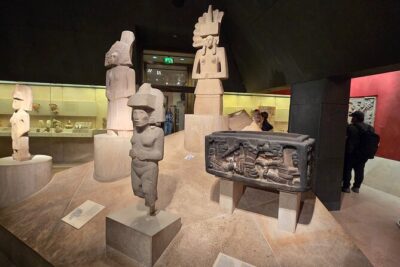
British Museum Guided Tour with Priority Timeslots(Small Group)
Read our review →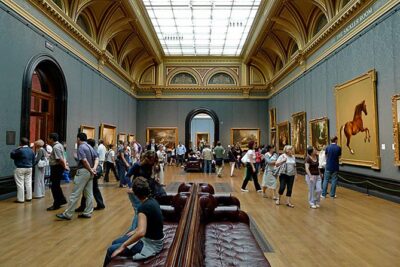
British Museum & National Gallery of London Semi-Private 8ppl Max
Read our review →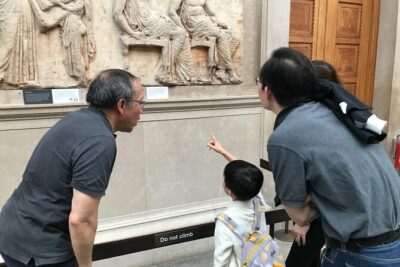
Explore Biblical Artifacts at the British Museum
Read our review →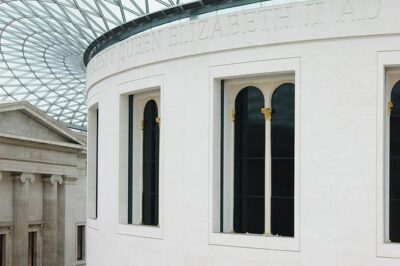
British Museum Highlights Private Tour in London including the Rosetta Stone
Read our review →Browse the lists this tour appears in