Reviewed · LONDON TOURS
London in One Day: Tour Royal Westminster and the Square Mile
London’s most powerful sights, on foot. This one-day tour links Royal Westminster with the City’s financial core, all guided so you are not stuck with routing or timing. You get tight photo stops at places like Buckingham Palace and the Tower of London, plus stories that connect monarchy, politics, war, and business in a single walk.
I especially like the way the tour is built around where to stand for photos and viewpoints. The planned positioning at Buckingham Palace and Westminster Abbey, and the front-row style viewing approach for the Changing of the Guard when it is running, make the time feel efficient. I also like that the guide sets you up for real context, including Whitehall’s government grounds and what sits underneath (like the War Rooms area you walk over).
One consideration is the ticket reality. Many of the big names you see have admission not included, so you should expect exterior viewing and short stops rather than long museum-style time inside, and you will be walking a lot across central London. Also, the Changing of the Guard is only on Mondays, Wednesdays, and Fridays, and it can be disrupted.
In This Review
- Key things I’d focus on before you go
- The route in plain English: from Buckingham to the Square Mile (and back again)
- Buckingham Palace and the royal photo setup you actually remember
- St. James’s Park to Trafalgar Square: royals to the public
- Whitehall ground: Horse Guards views and Churchill War Rooms context
- Westminster Abbey and the Palace of Westminster: ceremonies, crowns, and legislation
- The lunch break by Villiers Street: choose your own kind of London
- Thames views and St. Clement Danes: a quick geography lesson that helps
- Royal Courts of Justice and Temple Bar: law and the City boundary
- Dr. Johnson to Ye Olde Cheshire Cheese: the City’s quieter storylines
- St. Paul’s Cathedral and the Bow Bells connection
- Royal Exchange, Mansion House, and the Bank of England vault views
- Great Fire, London Bridges, Tower Bridge, and the Big Finish at the Tower
- Price and value: what $514.18 per group really buys you
- Who this tour suits best
- Should you book this London in One Day tour?
- FAQ
- What is the duration of the tour?
- When does the tour start?
- Where does the tour start and end?
- Is the tour private?
- Is lunch included?
- Are admission tickets included for stops like Buckingham Palace and Westminster Abbey?
- On which days does the Changing of the Guard run?
- What fitness level do I need?
Key things I’d focus on before you go
- Photo-first positioning at major landmarks, so your camera work feels planned, not random.
- Royal ceremony timing limits: Changing of the Guard only runs Monday, Wednesday, Friday, and can change due to weather or events.
- Whitehall area context without heavy tickets: you cannot see the War Rooms inside, but you learn on the ground where the wartime operations were.
- A proper lunch window (about 1 hour) near Villiers Street, where you can pick your own spot.
- City of London stops that go beyond the postcard: Bank of England vault views, the Monument to the Great Fire, and Roman City boundary history at Temple Bar.
- A long day of short stops (mostly 10 minutes each), which is great for coverage, but you will want comfy shoes.
The route in plain English: from Buckingham to the Square Mile (and back again)
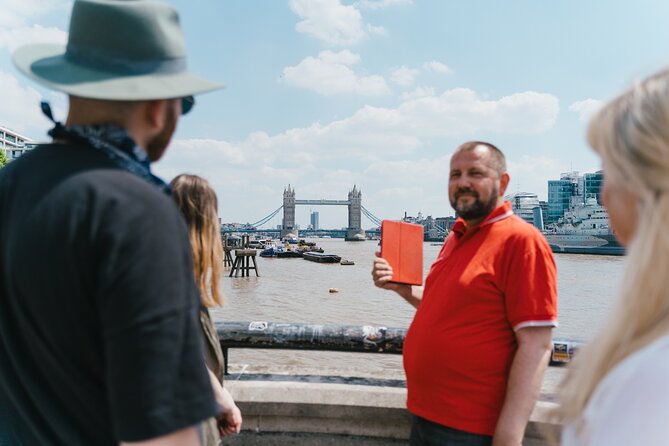
This is a 6 hour 15 minute guided walk that starts at the Constance Fund fountain of Diana in Westminster and ends at the Official Ticket Office, Tower of London at Tower Hill. The meeting time is 10:00 am, so you start early enough to hit the royal areas before crowds and to still make it across to the City of London.
The big idea is efficient coverage. The day is packed with landmark after landmark, mostly with short time blocks, so the tour works best if your goal is to see and understand a lot in one go. If you prefer slow wandering, deep museum time, or long sits in gardens, you might find it a bit fast. But if you want a guided hit list that ties together monarchy, law, war, journalism, and finance, it is a strong format.
Group size matters too. It is a private tour for your group only, with up to 15 people. For the day-long pace, that size keeps things from turning into a chaotic scrum. It also means your guide can adapt slightly to your group’s questions.
A few more London days worth comparing
- Stonehenge, Windsor Castle, and Bath from London
★ 4.5 · 18,662 reviews - London Big Bus Hop-On Hop-Off Tour with Optional River Cruise
★ 3.5 · 10,803 reviews - London Small Group Tour of Historical Pubs
★ 5.0 · 10,422 reviews
Buckingham Palace and the royal photo setup you actually remember
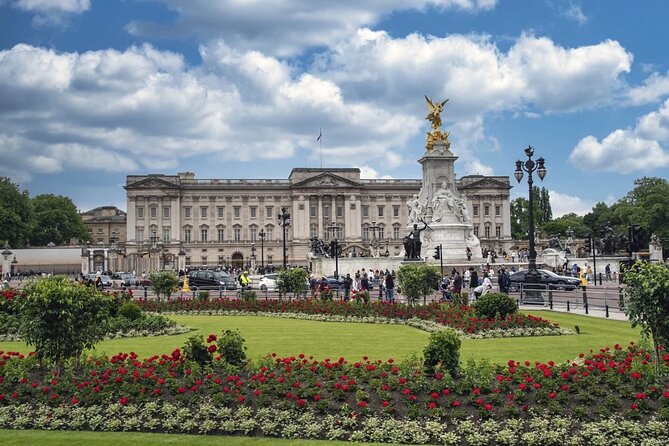
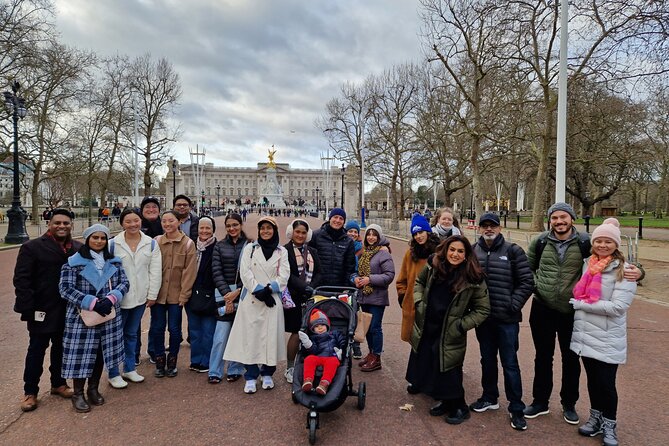
The tour opens at Buckingham Palace, and this is not just a quick pass-by. Your guide positions you for strong photos of the palace, which has been the home of the British monarchy for nearly 200 years. Since you are there for about 10 minutes, getting the viewpoint right is everything. This is one of the stops where the guide’s planning really shows, because you will see the famous facade from the angles most people miss.
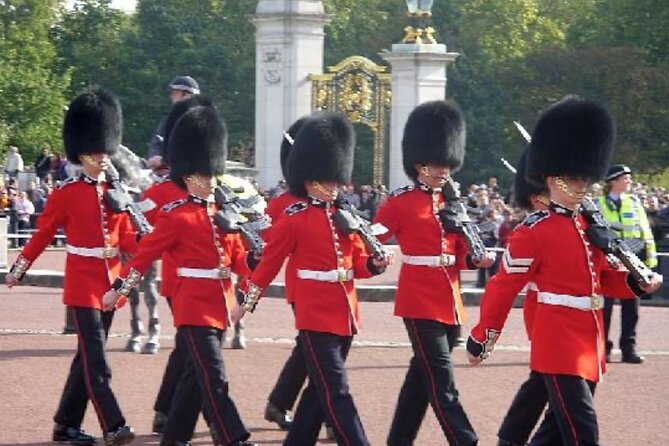
Right after that, the itinerary aims at the Changing of the Guard, but with a very clear constraint: it is only on Mondays, Wednesdays, and Fridays. Even on those days, the schedule can shift because of weather, London events, and official royal activity. Practically, that means you should go in with a flexible mindset. If it runs, you get a front-row style viewpoint your guide has used before. If it does not run, you still spend the time at other royal-adjacent stops.
Then you move to Clarence House, where you get a peek through the gates. It is described as the home of King Charles II and Queen Camilla, and your stop ties the building to Queen Mother Elizabeth as well. From a reader perspective, this is a nice change from Buckingham because it feels a little more intimate. You are not chasing the largest headline, you are seeing a different lane of royal life.
Next is St. James’s Palace, described as the epicentre of the UK royal court, built by Henry VIII. It is less famous than some palaces, but the tour frames it as highly important. A quick stop like this is ideal for giving you the structure behind the scenes, not just the facade.
St. James’s Park to Trafalgar Square: royals to the public
After the palaces, you walk through St. James’s Park, a public royal park opened in the 17th century by King Charles II. The tour highlights the birds, including swans and pelicans. That small detail helps you make the park more than a photo background. You start noticing how the monarchy connects to public space in London, not just to gates and ceremonies.
Then you hit Trafalgar Square, often called London’s common room, with the iconic four lions at Nelson’s Column. Your stop is about 10 minutes, and it is brief on purpose. Think of Trafalgar Square here as a reset point: you absorb a big civic landmark before moving into government-heavy Whitehall.
Whitehall ground: Horse Guards views and Churchill War Rooms context
In the Whitehall stretch, the tour includes Royal Horse Guards. This open space is where the King’s Life Guard operates, and it is also tied to Trooping the Colour, the monarch’s birthday celebration. If the Changing of the Horse Guards is happening, you get front-row viewing. Same theme as the Guard ceremony earlier: sometimes it is on the calendar, sometimes it is not.
The tour also sends you through the government center near Whitehall and the Churchill War Rooms area. Key detail: you cannot see the War Rooms themselves, but you are walking on top of the important wartime structures. That matters because it still gives you the story of what happened underground, without requiring another ticket or long indoor time.
Even if you are not a hardcore WWII buff, it is useful context. London is full of layers, and Whitehall is one of the most practical places to connect visible buildings to what Britain prepared for in crisis.
Same part of England, a different sort of day out:
- Stonehenge, Windsor Castle and Bath with Pub Lunch in Lacock
★ 4.5 · 7,402 reviews - Tower of London and Crown Jewels Exhibition Ticket
★ 4.5 · 6,677 reviews - Thorpe Park Admission Ticket
★ 4.0 · 5,915 reviews - Stonehenge, Windsor Castle and Bath Full Day Guided Tour
★ 4.5 · 5,346 reviews
Westminster Abbey and the Palace of Westminster: ceremonies, crowns, and legislation
From the War Rooms area, you move into Westminster’s main stage. First up is Westminster Abbey, with the tour framing it as a place tied to crowns, weddings, and state funerals. The stop is short, so the value is in the viewpoint. You stand in the shadow of the abbey and focus on getting the best view of the exterior details.
Next comes the Palace of Westminster and the Houses of Parliament. Here you get a two-for-one concept: the tour explains the legislature while pointing out that the building is largely Victorian, with a key older internal highlight, Westminster Hall. That hall is described as dating back to 1097, and it is connected to trials, coronation banquets, laying-in-state, and even executions.
Because admission is not included, you are not getting a long guided interior experience here. But you are leaving with the map in your head. You start understanding how Westminster works: monarchy symbols outside, and the political machinery inside.
The lunch break by Villiers Street: choose your own kind of London
At around the mid-point, you get a lunch break along Villiers Street. The tour describes the lane as lined with pubs, sandwich shops, cafes, and restaurants, and you have about 1 hour to choose where to eat and how to spend it.
This is where I think you get the best kind of freedom. You can keep it simple with a quick bite, or you can pick a more relaxed sit-down place if your group wants it. The tour guide is also said to recommend favorites, including the option to have a drink in an 18th century underground cellar or to use time in a nearby park.
If you are the type who hates wasting time searching at noon, this structure helps. You get an anchor location and a time window, and the rest is on you.
Thames views and St. Clement Danes: a quick geography lesson that helps
After lunch, you get fantastic views of the River Thames. The tour frames the Thames as a lifeline stretching 215 miles (346 kilometers), with landmarks like Tower Bridge and the Houses of Parliament along the banks. Even if you have been to London before, it helps to hear the river described as trade, transport, and recreation, not just scenery.
Then you stand near St. Clement Danes Church, a Georgian church designed by Christopher Wren. The tour notes its role as the official site of worship for the Royal Air Force, plus the story of World War II bombing damage left unaltered. Stops like this are short, but they add a layer that makes London feel less like a set of postcards and more like a place with decisions, repairs, and memory.
Royal Courts of Justice and Temple Bar: law and the City boundary
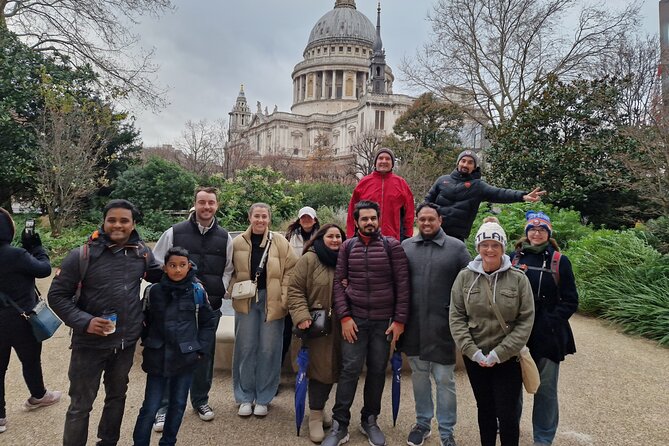
Next is the Royal Courts of Justice, which the tour describes as opened by Queen Victoria in 1882 and designed in a neo-gothic style by George Edward Street. It looks like a medieval palace, but it is actively used as the High Court and Court of Appeal for England and Wales. You also get the sense of ongoing function, not just a preserved building.
Then comes Temple Bar, where the tour explains that there is a 2,000 year old City inside the city. This marker marks boundary lines into the fiscal and governmental district of the City of London. The tour adds a fun practical detail: the King has to ask permission to enter the City, and this ends the monarch’s jurisdiction with the Mayor of London. Even if you do not memorize that, it gives you a clearer mental boundary as you walk into the Square Mile.
Dr. Johnson to Ye Olde Cheshire Cheese: the City’s quieter storylines
Once you enter the City together along the ancient Roman road of Fleet Street, the tour slows down just enough to make it feel like a different London. You head to Dr. Johnson’s House, where you visit a quiet courtyard and a fine Georgian townhouse dating from the 18th century. The highlight is that this was the home of Samuel Johnson, credited with writing the first comprehensive English dictionary. The tour also mentions a curious statue connected to Johnson and his feline friend.
After that, you stop for a pub break at Ye Olde Cheshire Cheese. This is described as one of the oldest and best known family-friendly pubs in London, with connections to writers like Charles Dickens, Arthur Conan Doyle, and P.G. Wodehouse. For me, it is a smart stop because it shifts you from big government and royal storytelling into everyday British culture. You get a taste of London as lived-in history, not just monuments.
Then you reach St. Bride’s Church, often called the journalists’ church, with roots going back to the 6th century. The current structure designed by Christopher Wren was completed in 1675 after the Great Fire of London. The tour notes its distinctive tiered spire and the Baroque architecture, plus its ongoing role as a place of worship.
St. Paul’s Cathedral and the Bow Bells connection
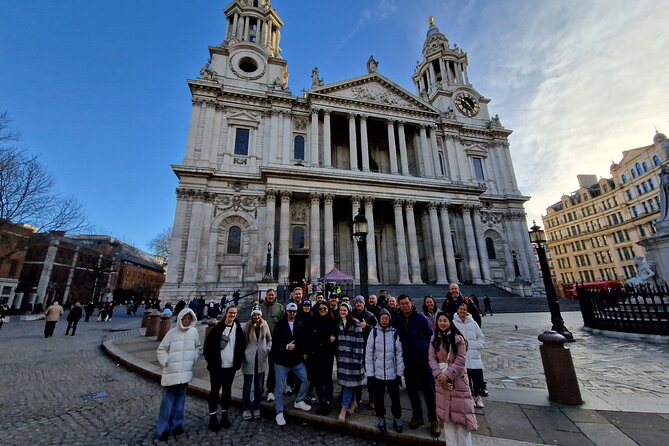
The tour brings you to St. Paul’s Cathedral, described as Christopher Wren’s masterpiece and completed in the early 1700s. It ties the site to major events including the funeral of Winston Churchill and the wedding of Prince Charles and Lady Diana Spencer. It also highlights interior features like mosaics, arches, and the Whispering Gallery famous for its acoustics.
Since the tour stop is short and tickets are not included, treat this as a viewpoint and storytelling stop. Still, you will get something valuable from hearing what makes St. Paul’s work architecturally, so when you look up, it connects to a reason.
Next is St. Mary Le Bow Church, another Wren church completed in 1680. The tour mentions the Bow Bells tradition for true Cockneys, tied to who was born within earshot. You also walk along Cheapside, described as the medieval market place that gave its name to the surrounding roads.
Royal Exchange, Mansion House, and the Bank of England vault views
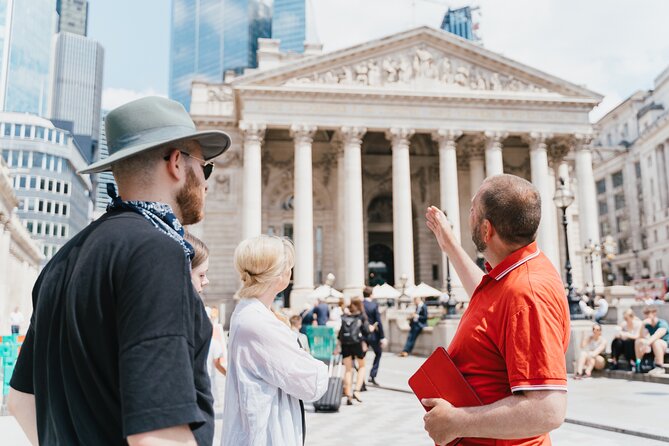
The Square Mile portion turns into power and commerce. The tour includes the Royal Exchange Building, originally established in the 16th century under Queen Elizabeth I as a commerce hub. The current building opened in 1844 and is described as neoclassical, with a grand portico and Corinthian columns. Today it is a mix of shops, restaurants, and offices.
Then comes the Mansion House, the official residence of the Lord Mayor of London, built between 1739 and 1752. You learn it hosts official functions and receptions, and it is tied to the annual Lord Mayor’s Show.
Finally, one of the most specific and memorable stops: the Bank of England Museum area. The tour describes the Bank as the world’s second-oldest central bank, and it frames its role in monetary stability, interest rates, and regulating the financial system. The standout detail is that your guide has you standing on top of the vaults, where the Bank holds 310 tonnes of solid bars of gold.
Even if you are not a finance person, that one fact gives the day a new kind of gravity. It is London’s backbone, and it is not usually part of casual sightseeing.
Great Fire, London Bridges, Tower Bridge, and the Big Finish at the Tower
The next stop is the Monument to the Great Fire of London. Your guide tells the story of the 1666 fire and the monument’s role in commemorating the disaster. It is still possible to visit today, and the tour adds a practical incentive: you can climb 211 steps for a unique view.
Then you move to London Bridge. The tour notes a crossing has existed since AD 42 and mentions the old medieval bridge that was famously falling down. You are also told that the current bridge dates from the 1960s, with hints about where to see the previous version.
There is also a mention of a stop where you might see The Shard standing at 310 meters, designed by Renzo Piano and completed in 2012. The tour includes it as part of the skyline context, which helps you understand what London looks like when you mix old stone with modern glass.
Then you reach Tower Bridge, completed in 1894 and famous for Victorian engineering. The tour points out that it offers high-level walkways for panoramic views and that it is a draw bridge. You may even get a chance to see it open on one of the provider’s summer-time afternoon tours, so it is worth keeping an eye on the time if that matters to you.
Across the river, you will see HMS Belfast, a former Royal Navy cruiser now functioning as a floating museum. The tour frames it in WWII terms, including roles around D-Day and Arctic convoys, plus interactive exhibits. Since this is an exterior viewing from the route, treat it as a chance to spot and decide if you want to add it later.
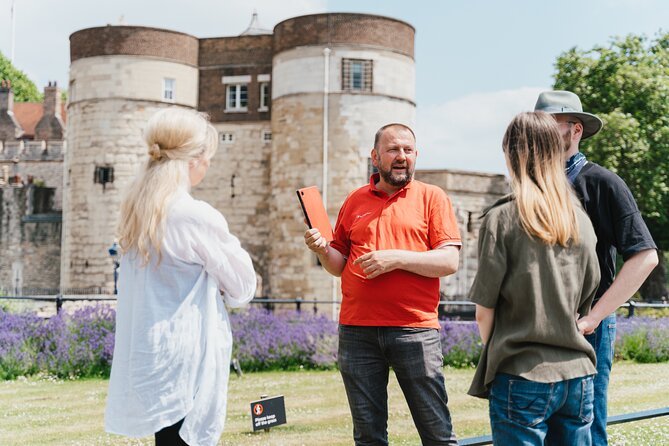
Then it is the grand finale: the Tower of London. The tour describes it as founded by William the Conqueror in the 11th century and functioning across roles as palace, prison, and treasury. You get the context of the White Tower and the Jewel House, where the Crown Jewels are kept. It is also UNESCO World Heritage and is positioned as one of London’s most popular attractions.
Because admission is not included, you should plan for a tour stop that focuses on the setting and storytelling, not a full self-paced visit. Still, walking into the Tower area at the end of a long day is a satisfying way to end, because the sheer density of meaning hits all at once.
Price and value: what $514.18 per group really buys you
At $514.18 per group for up to 15 people, the price can work out well if you are traveling with family or a small group. In practical terms, what you are paying for is a guided, structured route that strings together major landmarks across two big districts: Westminster and the City. The tour format also reduces the mental work of figuring out how to connect royal sites, Whitehall, the courts, and financial institutions on your own.
The big thing to understand is what is not included. Lunch is not included, and admission tickets are not included across the itinerary. That means your day is primarily an outdoor and viewpoint experience with short stops. If you want to go inside multiple paid sites, you will likely pay extra on top.
If you are on a short stay and want maximum coverage with expert guidance, this kind of package often feels like good value. If you are the type who wants to spend most of your time inside attractions, you might consider building a custom plan around your top two priorities, then using a guided walk only for the rest.
Who this tour suits best
This tour is ideal if you:
- Want one-day coverage of both Westminster and the Square Mile
- Like learning how monarchy, law, war, journalism, and finance connect
- Prefer guided logistics over sorting routes and viewpoints
- Are comfortable with moderate physical fitness and lots of walking
It may not be ideal if you:
- Hate tight timelines and prefer long stops in museums
- Plan to rely on the itinerary for a fully ticketed, inside-the-building schedule
- Are traveling on a day when the Changing of the Guard does not run (since it only happens Monday, Wednesday, Friday)
Should you book this London in One Day tour?
I think it is a great booking when your goal is clarity and coverage in a single day. The tour’s strongest selling point is not just the list of famous places. It is the planned viewpoint strategy, the mix of royal sites with City landmarks, and the way the guide connects what you see to how London actually works.
If you can handle a long walk and you are okay with admission not included, you will likely come away with a much sharper mental map of London. Just pick your expectations carefully: you are buying a guided walk with memorable photo moments and storytelling, not a full ticketed sightseeing marathon.
FAQ
What is the duration of the tour?
It runs for about 6 hours 15 minutes.
When does the tour start?
The start time is 10:00 am.
Where does the tour start and end?
It starts at the Constance Fund fountain of Diana in London SW1A 1RN and ends at the Official Ticket Office, Tower of London, 2 Tower Hill, London EC3N 4EE.
Is the tour private?
Yes. It is a private tour/activity, and only your group participates.
Is lunch included?
No. Lunch is not included.
Are admission tickets included for stops like Buckingham Palace and Westminster Abbey?
No. Admission tickets are not included.
On which days does the Changing of the Guard run?
The Changing of the Guard is listed for Mondays, Wednesdays, and Fridays only, and it can be disrupted.
What fitness level do I need?
Travelers should have a moderate physical fitness level.
Recently added around London
- London’s Football Stadiums Sightseeing Tour★ 4.5 · 3 reviews
- Private Transfers between London & Southampton Cruise Port★ 5.0 · 5 reviews
- London to Southampton Transfers★ 3.0 · 3 reviews
- London’s Hidden Gems and Secret History Private Guided Tour★ 5.0 · 8 reviews
- London’s Best Kept Secret Bike Tour★ 5.0 · 72 reviews
- London’s Alternative History: A Self-Guided Audio Tour★ 5.0 · 4 reviews
- London’s Crown Secret: Self-Guided Royal Puzzle Quest★ 4.5 · 8 reviews
- London to Southampton Via Stonehenge One-Way Private Transfer★ 5.0 · 3 reviews
London Tours, compared.
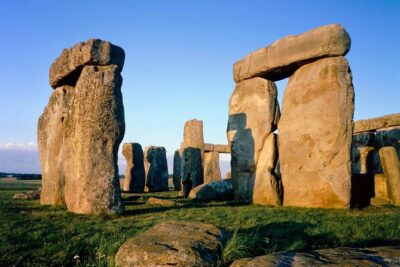
Stonehenge, Windsor Castle, and Bath from London
Read our review →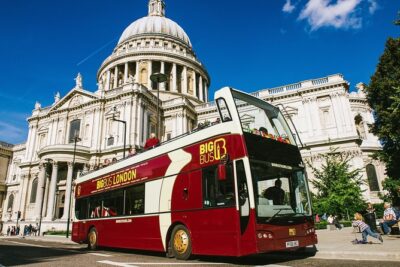
London Big Bus Hop-On Hop-Off Tour with Optional River Cruise
Read our review →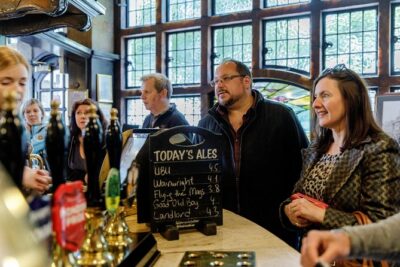
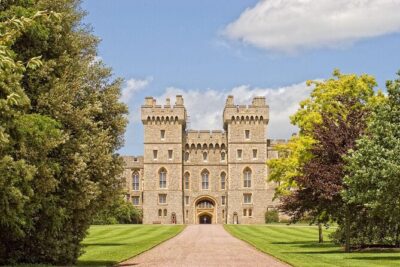
Stonehenge, Windsor Castle and Bath with Pub Lunch in Lacock
Read our review →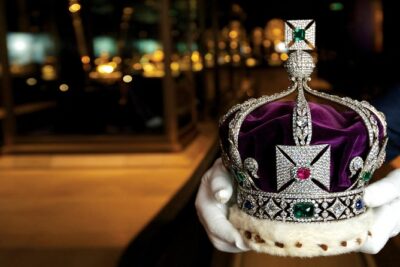
Tower of London and Crown Jewels Exhibition Ticket
Read our review →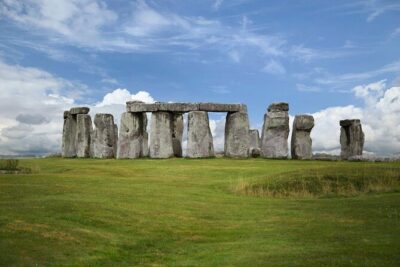
Stonehenge, Windsor Castle and Bath Full Day Guided Tour
Read our review →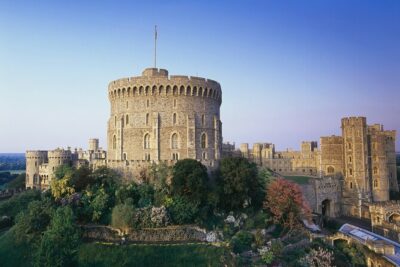
Windsor Castle, Stonehenge, and Oxford Day Trip from London
Read our review →