Reviewed · LONDON TOURS
Make a Fascinator Hat with a Designer in London
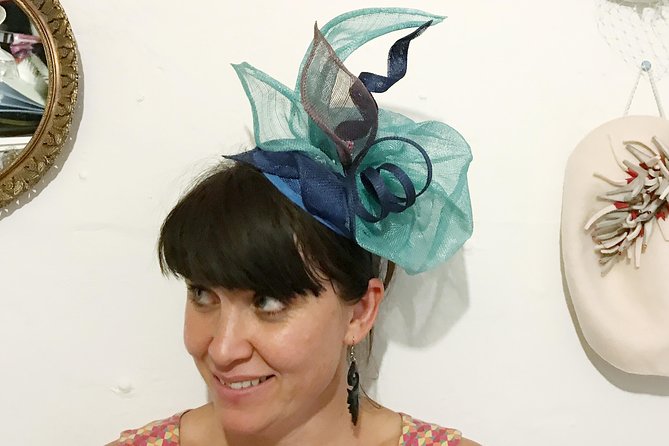
Making fascinators in London feels oddly calming. You get hands-on guidance to shape a true millinery piece, not just a craft project, and you’ll leave with a wearable hat you made yourself. I love the small-group, step-by-step teaching from designer Elena Shvab, and I also like that all materials and tools are provided, so you can show up with zero prep. One drawback to plan around: it is not suitable for children under 8.
The class happens in a cozy central-London studio near public transportation, so it works as a creative break from the usual sightseeing rhythm. You’ll start with a quick intro to hat styles and the materials used in UK millinery, then move straight into building a base and decorating it with traditional techniques.
Timing is simple, but it’s still a real workshop. You have about 3 hours total, so if you want lots of slow wandering time, this is better as a focused morning activity starting at 11:00 am.
In This Review
- Key things that make this workshop worth your time
- Why this fascinator class is a smart London “do something” day
- Central London studio time, small-group focus, and what to expect on arrival
- The first step: hat styles, materials, and learning the “why” behind the look
- Building your fascinator base with a traditional hat block
- The fun part: sinamay straw rolling, veiling, and steaming techniques
- Decorating choices, color picking, and making it feel like yours
- Taking home your custom creation, plus skills you can reuse
- Price and what you’re really paying for
- Who should book it, and who might want to pick a different London activity
- FAQ
- FAQ
- How long is the fascinator hat workshop?
- What time does the class start?
- Where does it take place?
- How big is the group?
- Is the class taught in English?
- Do I need to bring materials or tools?
- Is this workshop suitable for children?
- What if I need to cancel?
- Should you book Make a Fascinator Hat with a Designer?
Key things that make this workshop worth your time
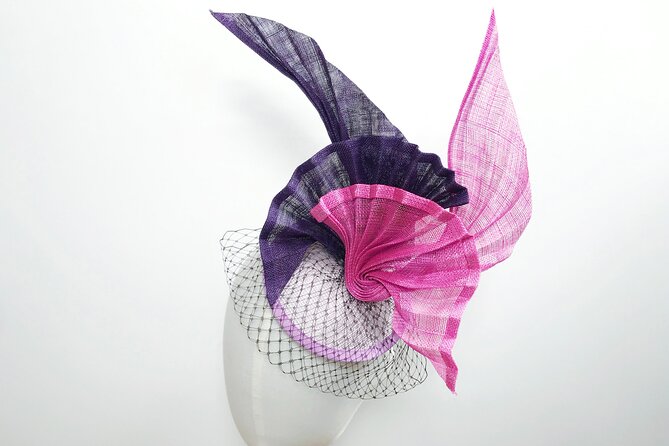
- Elena Shvab Millinery teaches you the real method, from base construction to finishing stitches.
- Materials are included, including the sinamay straw, veiling, wire, and tools you need.
- Small group size (max 6) means you get personal help when something feels fiddly.
- You learn recognizable millinery skills like wire trimming and traditional hat-making stitches.
- You take home your own finished fascinator, plus the know-how to make another later.
- A rainy day London plan that actually feels fun, with tea and snacks added for good measure.
Why this fascinator class is a smart London “do something” day
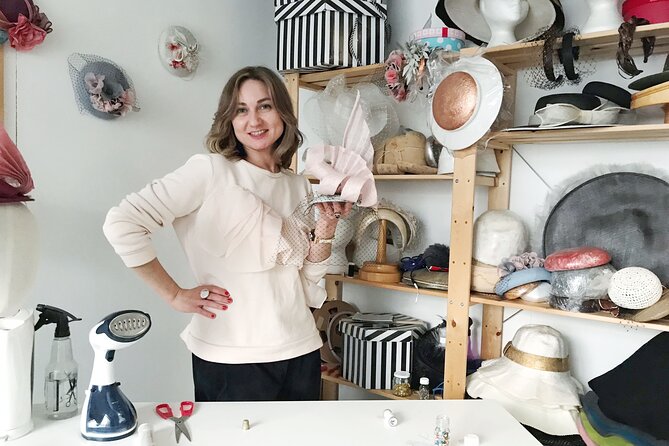
If London feels like a constant loop of lines, tickets, and crowds, a creative workshop gives you a different kind of memory. This one focuses on a very specific skill: making a fascinator hat using classic millinery tools and techniques. You are not just picking decoration and calling it done. You’re building a base, learning how materials behave, and then shaping the final look so it sits right.
The value here is practical. You pay a set price of $165.13 for a 3-hour class in English, with tools and materials included. That matters because fascinator components can add up fast if you were to DIY at home. Here, you get the materials in the right forms, plus the guidance to use them correctly.
You also get something that most London experiences cannot hand you at the end: a wearable piece of fashion. People tend to love that feeling most when they are doing it with a family member. In real life terms, it turns into a keepsake you can actually use for weddings, race days, theatre, or parties.
A few more London days worth comparing
- Stonehenge, Windsor Castle, and Bath from London
★ 4.5 · 18,662 reviews - London Big Bus Hop-On Hop-Off Tour with Optional River Cruise
★ 3.5 · 10,803 reviews - London Small Group Tour of Historical Pubs
★ 5.0 · 10,422 reviews
Central London studio time, small-group focus, and what to expect on arrival
You meet at Make Space Studios, Newnham Terrace, SE1 7DR. The start time is 11:00 am, and the class runs up to 3 hours. It is designed for a small group with a maximum of 6 travelers, so you are not fighting for space around a shared worktable.
The setup is intentionally cozy. That small-space vibe is a big plus for beginners. Fascinator making is touchy work, and you want room for your hands, your materials, and quick instructor corrections. When space is tight, mistakes happen more often. When space is cozy and organized, you move forward faster.
Also, the class is in English, and it says most travelers can participate. That usually signals they can accommodate a range of comfort levels, from first-timers to people who already sew or craft at home.
If you are sensitive to last-minute schedule changes, note that the experience requires good weather. Since the workshop is indoors, you might assume it will still run, but the provider states weather can affect the booking. I’d plan your day with a little buffer and be ready to switch dates if needed.
The first step: hat styles, materials, and learning the “why” behind the look
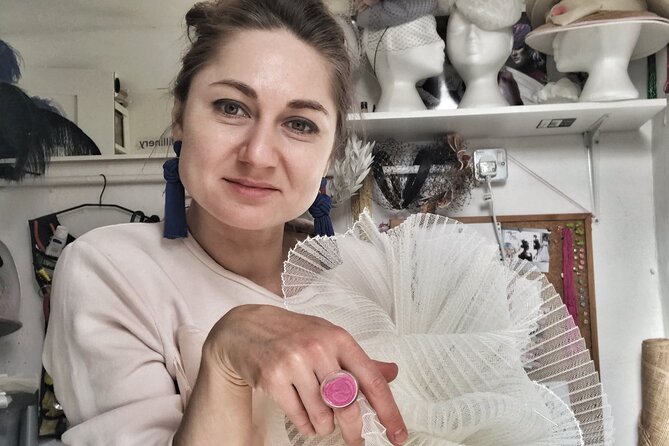
Before you start building anything, you get a short introduction in the studio. This is not a lecture for its own sake. You learn the difference between hat styles and understand what trimmings and materials are doing visually and structurally.
This is where the workshop becomes more than a craft lesson. Once you know what a fascinator base is supposed to do, and how sinamay straw and veiling behave, your decorating choices start to make sense. Instead of guessing, you learn how to work with the materials so the end result looks intentional.
You’ll also get oriented to the workflow. Expect the pace to move from fundamentals to hands-on construction quickly, then to shaping and trimming. If you’re the type who likes to ask questions, this is a friendly class for that. The teaching style is patient and practical, with step-by-step help as you go.
Building your fascinator base with a traditional hat block
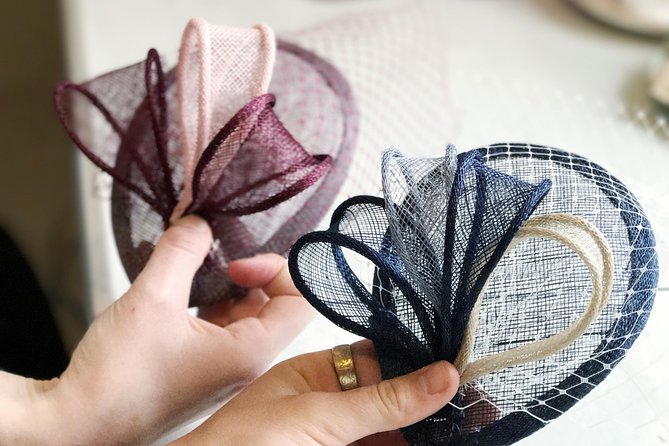
The heart of millinery is the base. In this workshop, you learn how to make the fascinator foundation using a traditional hat block. That sounds technical, but what it means for you is stability and shape control.
After you create the base, the next step is wiring and trimming the edges. Wire is what lets a fascinator sit the way you want, rather than drooping or collapsing once you add decoration. You also learn techniques for refining the shape before you start the prettiest part.
This is also the point where you’ll appreciate having an instructor beside you. Fascinator-making is easy to overthink at the start. The base step keeps it grounded. You are learning the structure first, then the decoration has a reliable platform.
One more detail that helps: you start with a clear sequence. You’re guided through each stage instead of being handed a pile of supplies and told to figure it out.
Same part of England, a different sort of day out:
- Stonehenge, Windsor Castle and Bath with Pub Lunch in Lacock
★ 4.5 · 7,402 reviews - Tower of London and Crown Jewels Exhibition Ticket
★ 4.5 · 6,677 reviews - Thorpe Park Admission Ticket
★ 4.0 · 5,915 reviews - Stonehenge, Windsor Castle and Bath Full Day Guided Tour
★ 4.5 · 5,346 reviews
The fun part: sinamay straw rolling, veiling, and steaming techniques
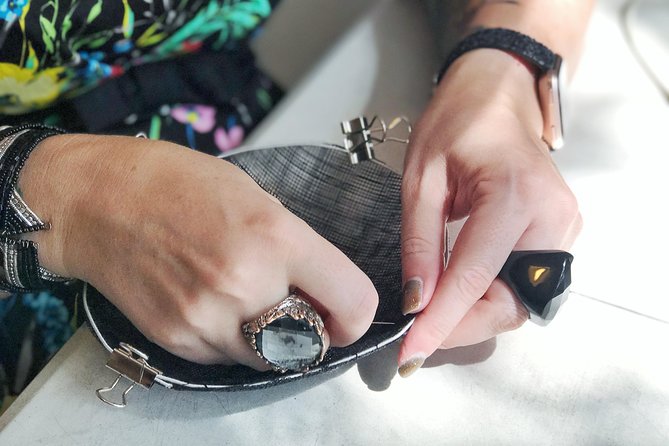
Now you get to the materials that make fascinators look special. You’ll learn how to manipulate sinamay straw, which is commonly used for millinery because it can be formed and styled. You also work with veiling, which adds that soft, elegant texture that reads beautifully in photos and real life.
Wire, veiling, and trimming come together with a few key technique lessons. You’ll learn how to decorate using multiple approaches, including:
- sinamay straw rolling
- shaping and attaching veiling
- steaming techniques to help the materials hold their form
- traditional millinery stitches (so your work looks finished, not temporary)
In one of the most encouraging parts of the experience, the class is approachable even if you do not consider yourself creative. The materials are provided, and the guidance focuses on small repeatable actions. You might use simple things along the way, like water, tiny bits of glue, folding methods, and steaming, depending on your design and the technique your instructor recommends.
If you want a craft outcome that feels like fashion work, not kindergarten glue-on art, this is the path. The techniques matter because they change how the hat behaves when it’s worn.
Decorating choices, color picking, and making it feel like yours
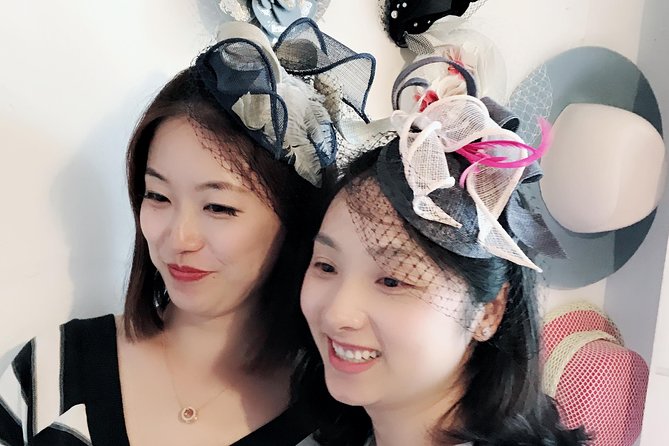
A fascinator is personal by nature. This workshop supports that in a tangible way: you select colors and build the design as you go. That makes a difference because you get to match your hat to what you would actually wear, whether that’s a wedding outfit, a party look, or just a fun day out.
In some sessions, you may even try on different hats while you make your fascinator. That kind of visual feedback helps you understand scale and silhouette fast. Seeing how different shapes sit on a head gives you better instincts when you finalize yours.
You also get taught the finishing details: how to trim, how to secure the materials, and how to refine the edges. Those are the points that turn a cute craft into a wearable fascinator.
The end result is not just decorative. It is meant to be strutted in with confidence, which is exactly what people want from a London fashion moment.
Taking home your custom creation, plus skills you can reuse

The workshop ends with you leaving with your finished hat. That matters because a lot of classes stop at the process. Here, your goal is completion.
More importantly, you leave knowing the core steps: how to create the base, how to work with sinamay straw and veiling, how wire contributes to structure, and how traditional millinery stitches help your design last. Even if you never make another fascinator, those skills help you understand what goes into professional millinery.
It also gives you a practical way to plan future events. If you’re the kind of person who goes to weddings and loves looking put together, a fascinator is an accessible way to add personality without committing to a full hat build.
And if you are shopping for a keepsake, this is the kind that becomes a story. You can point to it later and say, I learned how to make this, right here in London.
Price and what you’re really paying for
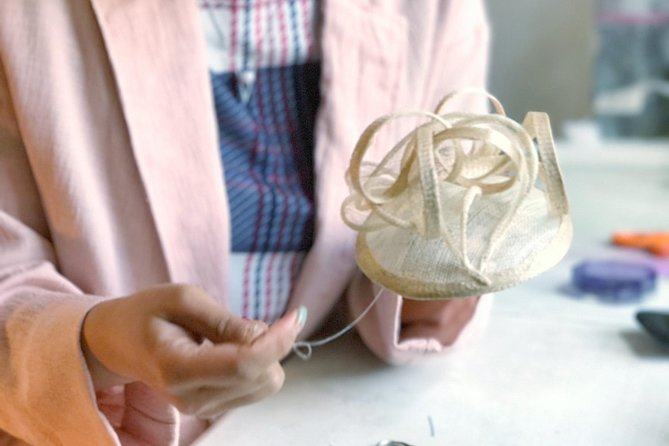
At $165.13 per person, this is not a budget craft. But the price lines up with what you’re getting: about 3 hours of instruction, a small group setting, and all materials and tools included. When you factor in the cost of supplies like sinamay straw and specialty components, plus the value of real guidance on shaping and stitches, it starts to look fair.
I also like that the class format is efficient. You’re not waiting around. You move from intro to base making to decorating, and the instructor keeps you moving toward a finished hat.
If you’re someone who enjoys crafts and fashion, you’ll likely feel the money is well spent because you get both a finished item and transferable skills. If you do not like hands-on work, you may find it a bit more effort than you expected. Still, the class is designed for most travelers, and the teaching style is patient for beginners.
Who should book it, and who might want to pick a different London activity
This fits best if you want:
- a creative, fashion-related London experience
- a hands-on activity you can do even as a beginner
- a wearable souvenir, not just photos
- a small-group setting where you can get help fast
- a meaningful outing for two or more people, especially family pairings
It’s also a nice rainy day choice. The class is indoors, and it gives structure to a day when you might otherwise feel stuck indoors with nothing fun to do.
Who might skip it? Two groups. First, families with kids under 8, since it’s not suitable for them. Second, people who want a classic sightseeing tour. This workshop is about making, not about covering landmarks.
If you want something meaningful without walking miles, this is a strong option.
FAQ
FAQ
How long is the fascinator hat workshop?
It lasts up to 3 hours.
What time does the class start?
The start time is 11:00 am.
Where does it take place?
You meet at Make Space Studios, Newnham Terrace, London SE1 7DR, UK.
How big is the group?
The workshop has a maximum of 6 travelers.
Is the class taught in English?
Yes, it’s offered in English.
Do I need to bring materials or tools?
No. All materials and tools are provided.
Is this workshop suitable for children?
It is not suitable for children under 8 years.
What if I need to cancel?
You can cancel for a full refund up to 24 hours before the experience’s start time. If you cancel less than 24 hours before, the amount paid is not refunded. If the experience is canceled due to poor weather, you’ll be offered a different date or a full refund.
Should you book Make a Fascinator Hat with a Designer?
Book it if you like crafts, fashion, or both, and you want a London experience that gives you a take-home result. The combination of hands-on millinery instruction, all materials included, and the chance to learn the structure behind a fascinator makes it more than a one-off activity.
Skip it if you are traveling with young kids under 8, or if you want a landmarks-first day. This is a maker’s class, so the payoff is what you build, not what you see.
If you want a memorable, wearable story from London, this is a solid choice.
Recently added around London
- Stonehenge Private Tour★ 5.0 · 4 reviews
- Private Transfers From Heathrow Airport to Central London★ 5.0 · 8 reviews
- Professional Private Couple Photoshoot★ 5.0 · 35 reviews
- Private transfer to Southampton with a stop at Stonehenge★ 4.5 · 33 reviews
- Private transfer from London Heathrow Airport to Southampton★ 5.0 · 3 reviews
- Private London Panoramic Tour by Car with Pick Up From Your Hotel★ 5.0 · 13 reviews
- Private Transfer Any London Hotel to Southampton Cruise Port★ 5.0 · 7 reviews
- Private driver tours to Leeds Castle, Canterbury, White Cliffs★ 4.5 · 30 reviews
London Tours, compared.

Stonehenge, Windsor Castle, and Bath from London
Read our review →
London Big Bus Hop-On Hop-Off Tour with Optional River Cruise
Read our review →

Stonehenge, Windsor Castle and Bath with Pub Lunch in Lacock
Read our review →
Tower of London and Crown Jewels Exhibition Ticket
Read our review →
Stonehenge, Windsor Castle and Bath Full Day Guided Tour
Read our review →
Windsor Castle, Stonehenge, and Oxford Day Trip from London
Read our review →