Reviewed · LONDON TOURS
Private Rock ‘n’ Roll Music Tour of Central London
London rock legends are everywhere here. This private 3-hour walk stitches together real streets and famous music moments, from Beatles fever to David Bowie drama, with a guide who can answer your questions on the spot. I like that the tour hits both the big names and the lesser-known stop-by-the-side-of-the-road details that make the stories feel believable.
I also like the people-first pacing. Most stops are brief, so you can keep moving and stay engaged, and the route is designed around major Central London locations tied to rock, pop, and radio culture. If your guide is Michael, you can expect someone with a big store of stories and the confidence to keep a group laughing while the facts land.
One possible drawback: with so many sites packed into a half-day format, some stops are outside-only and quick. If you want long chats or lots of time at one single venue, you might feel a little time pressure unless your guide can stretch a stop that matters most to you.
In This Review
- Key highlights to look for on this tour
- A Private 3-Hour Walk Through London’s Rock Royalty
- Price, Group Size, and When This Feels Like a Bargain
- How the Route Flows, From the London Palladium to Denmark Street
- The Beatles Trail: Palladium, Savile Row, and Publishing Power
- Soho Fashion and Glam: Carnaby Street, Kingly Street, and Heddon Street
- BBC, Pubs, Studios, and Record Shops: The Sound-Making Machine
- The Punk Edge and the Denmark Street Finish
- Practical Tips to Get the Most From This Half-Day
- Should You Book This Rock and Roll Tour?
Key highlights to look for on this tour
- Private, question-friendly format that keeps the experience tailored to your music tastes.
- Beatles, Bowie, and Stones heavy-hitters plus the punk and studio scene that sits behind them.
- Iconic exterior photo and cover-location spots, like the Ziggy Stardust images on Heddon Street.
- A real mix of venues and industries, from BBC radio history to record shops, pubs, and studios.
- Short stop times that make it easy to see a lot without turning into a museum day.
- Multiple sites tied to specific “where it happened” moments, like 3 Savile Row and Carnaby Street.
A Private 3-Hour Walk Through London’s Rock Royalty
This is the kind of tour that helps you see Central London differently, even if you think you already know the Beatles and Bowie basics. The format is simple: you move street to street, and your guide connects each location to a specific artist moment or music-industry twist. It is not a sit-down lecture. It is a walking tour where the city is the exhibit.
The private part matters more than it sounds. With only your group, you can ask follow-ups as you go. You are also less likely to lose the thread when someone wants extra context about how something like radio, fashion, or studio life shaped what got made and heard.
And because the duration is about 3 hours, the whole thing fits well into a sightseeing day without stealing half your trip. London can be a lot, and this tour keeps the energy focused on music sites.
A few more London days worth comparing
- Stonehenge, Windsor Castle, and Bath from London
★ 4.5 · 18,662 reviews - London Big Bus Hop-On Hop-Off Tour with Optional River Cruise
★ 3.5 · 10,803 reviews - London Small Group Tour of Historical Pubs
★ 5.0 · 10,422 reviews
Price, Group Size, and When This Feels Like a Bargain
It costs $205.67 per group, with up to 15 people, and it runs about 3 hours. That can be a great value if you are traveling with friends, a family group, or even a small group of music-obsessed coworkers.
Here is the practical way to think about it:
- If you fill it with close to 15 people, the per-person cost drops to roughly the teens.
- If your group is smaller, the cost per person rises fast.
So if you are solo, or two people, it can feel pricey compared with shared walking tours. If you can bring a group, it becomes a smart use of money, because you get a guide who can tailor the pace and attention to what your group cares about.
How the Route Flows, From the London Palladium to Denmark Street
The tour starts at the London Palladium on Argyll Street and finishes on Denmark Street near Covent Garden. Most stops are designed as exterior photo-and-story moments, typically around 5 to 15 minutes each. That is a good rhythm for a music tour because you are not waiting in lines, and you keep momentum.
You should plan for a moderate walking day. The tour is still sightseeing on foot, so comfortable shoes help. It also helps to think of it as a guided “music map.” By the end, you will have a mental map of where the clubs, studios, offices, pubs, and record spots were operating, and how Soho became the engine room.
The Beatles Trail: Palladium, Savile Row, and Publishing Power
London Palladium (Stop 1) is where you kick off the big-stage energy. You meet outside one of the city’s best-known theatres, tied to major music performances and a famous television presence. This is also a location where the tour frames early mass Beatle popularity and how other rock acts played by different rules. The story here gives you a sense of how mainstream media and rock culture kept colliding.
Next up, Broadcasting House (Stop 2) shifts the focus from stages to sound on the air. The building is the headquarters of the BBC, with radio stations and a wing named after DJ and music pioneer John Peel. The tour also highlights that the BBC’s relationship with rock and pop was not always friendly. It even references times when the broadcaster banned records. That context is useful because it explains why some artists felt trapped inside strict rules, and how underground culture pushed back.
Then comes a key transition in the timeline: the former London Polytechnic building where Pink Floyd’s early lineup formed. In September 1962, Roger Waters, Nick Mason, and Richard Wright enrolled to study architecture, and they later rehearsed in a basement tea room in a band called Sigma 6. Syd Barrett joining turned it into the Pink Floyd story you know. This stop works because it grounds a world-famous band in a specific, everyday setting rather than a Hollywood origin tale.
Later, the tour returns to Beatles-focused landmarks with 3 Savile Row (Stop 6). This is a must for fans because it ties directly to the Beatles rooftop concert. You also hear that number 3 Savile Row was the headquarters of Apple, which made it a magnet for Beatles fans from around the world. If you enjoy the Beatles era as much for the behind-the-scenes industry side as for the music, this stop gives you that extra layer.
Soho Square (Stop 13) adds publishing muscle to the story. The location ties to MPL, McCartney Publishing Limited, connected to Paul McCartney’s music empire and his rise as a major billionaire through publishing. You get the sense that big pop careers are not only about songwriting and performance. Business ownership changes everything.
Finally, the tour circles back to Brian Epstein’s theatre buy in ODEON Covent Garden (Stop 15). The focus here is on plans, legendary artists who played there, and how the 60s idea gets revived. Even if you are not a theatre nerd, it helps you understand how managers shaped live music by controlling venues.
Same part of England, a different sort of day out:
- Stonehenge, Windsor Castle and Bath with Pub Lunch in Lacock
★ 4.5 · 7,402 reviews - Tower of London and Crown Jewels Exhibition Ticket
★ 4.5 · 6,677 reviews - Thorpe Park Admission Ticket
★ 4.0 · 5,915 reviews - Stonehenge, Windsor Castle and Bath Full Day Guided Tour
★ 4.5 · 5,346 reviews
Soho Fashion and Glam: Carnaby Street, Kingly Street, and Heddon Street
Carnaby Street (Stop 3) is where rock and pop meets style as culture. You walk the idea of swinging London fashion, and you hear why the street became a hub for flamboyant clothes worn by bands like the Small Faces, The Who, and the Rolling Stones. The tour also brings in Don Arden, a notable promoter and manager, adding a sense of who was pulling strings behind the curtain. This stop is one of the most fun for first-time visitors because it shows how music and fashion fed each other in public.
Then you go to Kingly Street (Stop 4) and the former Bag O’Nails site. This is a real “you’re standing where something happened” moment. The story highlights that many world-famous musicians played there, including the Jimi Hendrix Experience, The Who, The Animals, and Tom Jones. The tour also adds personal-life connections, like at least three musicians meeting future wives there. Paul McCartney meeting Linda in 1967 is specifically mentioned. If you like your music stories with human details, this is a strong stop.
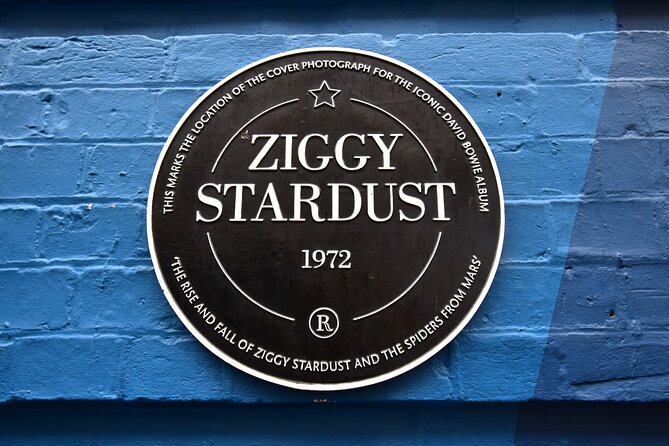
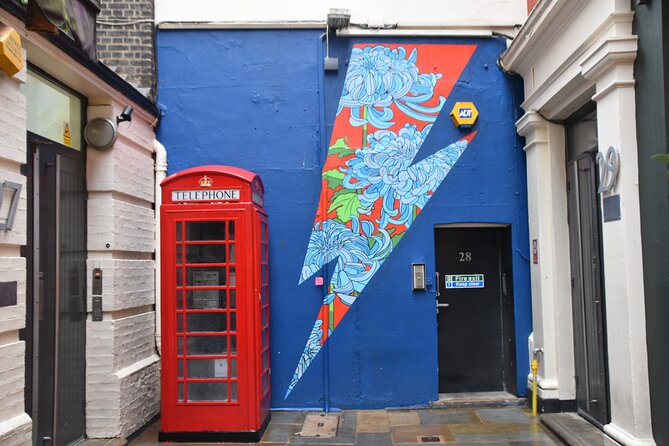
Heddon Street (Stop 5) is the photo-fan highlight. The tour points you to the legendary location of the front and back cover of The Rise and Fall of Ziggy Stardust and the Spiders From Mars. It also describes the chance to recreate the iconic photos and explains that the shoot happened on a cold and wet January night in 1972. Even if you do not care about recreating pictures, the stop helps you understand that glam rock images were built, not just born.
Hotel Café Royal (Stop 8) keeps the glam and showbiz theme going. It began as a cafe in 1865, and the tour connects it to David Bowie retiring the Ziggy Stardust character in a star-studded bash in 1973. The story then links that event to a Ziggy Stardust cocktail bar inside the hotel. This is a good example of how the same place can keep recycling its legend across decades.
Cordings Ltd (Stop 7) shifts again to the clothing industry angle, tied directly to Eric Clapton. The tour explains how Clapton window-shopped as a teenager, later became a regular customer, invested in the business, and eventually became design director. If you ever wonder how musicians were shaped by the look of the era, this stop gives you a concrete thread.
BBC, Pubs, Studios, and Record Shops: The Sound-Making Machine
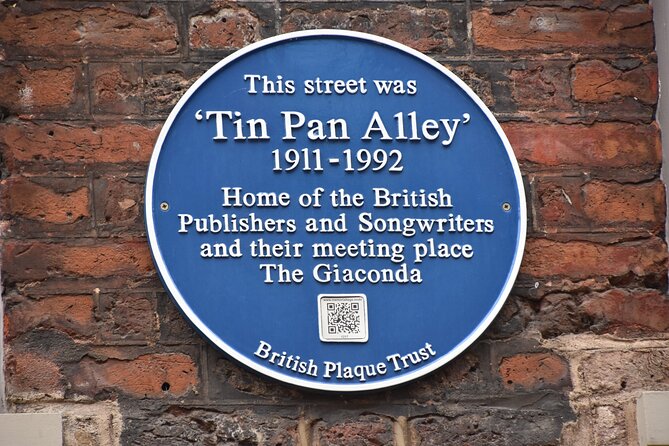
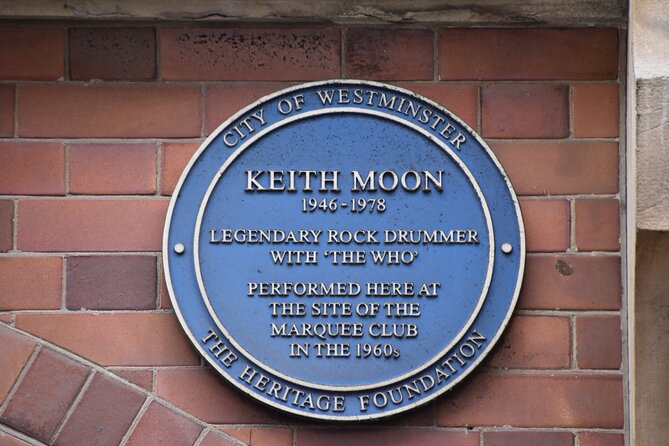
Wardour Street (Stop 9) is all about live venues and how they launched careers. You visit the area tied to the Marquee Club, an important music venue on Wardour Street that opened for 26 years. The tour frames the club’s role in launching early careers for the Who and David Bowie. It also notes a dusty plaque to Keith Moon over the door, which is exactly the kind of detail that makes a music tour feel real instead of generic.
You then move into the pub world at The Ship, Soho (Stop 11). The tour explains that when The Marquee lost its alcohol license, music fans chose to drink at The Ship, and the singers and musicians followed. You learn why The Ship rocked, with stories tied to the drunken antics of rock legends who drank there. It is a reminder that the nightlife ecosystem was part of the creative process.
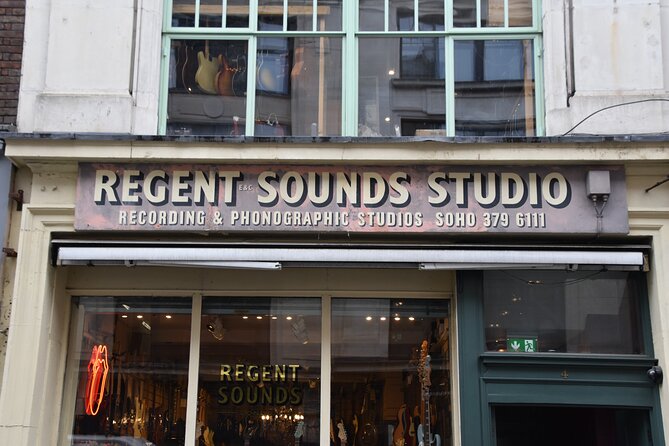
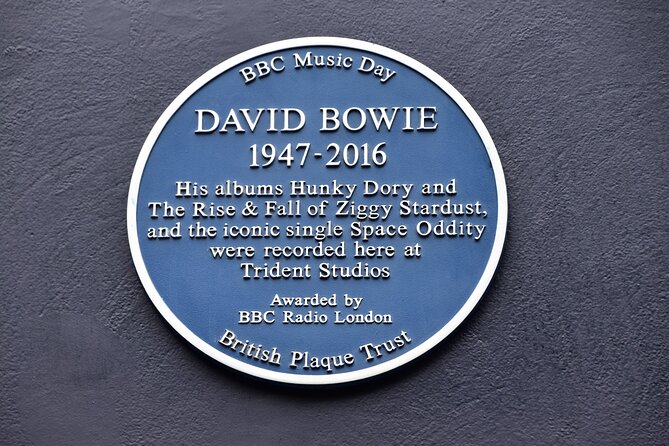
Trident Studios (Stop 12) is a studio stop you should not rush. The tour points out a plaque at a tiny alley near The Ship and describes Trident as a major studio between 1968 and 1981. Artists listed include David Bowie, The Beatles, Queen, Elton John, Rolling Stones, and Black Sabbath. If you want the behind-the-scenes side, this stop helps you connect famous names with the physical places where recordings happened.
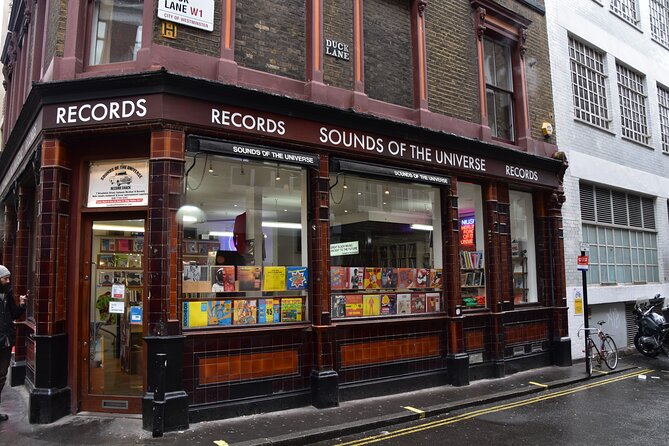
Sounds of the Universe (Stop 10) brings you to the record shop angle. The shop is described as occupying the site of the old Bricklayers Arms pub, where the Rolling Stones had their very first rehearsal. This kind of stop is valuable because it turns a casual activity, like browsing record shops, into a direct link to musical origins.
Rounding out the industry side, Ronnie Scott’s Jazz Club (Stop 14) introduces a cross-genre perspective. Ronnie Scott moved the famous jazz venue to Frith Street in 1965, and the tour shares famous names who played there, including Lady Gaga and the final performance of Jimi Hendrix. Admission is not included at this stop, so expect the story to focus on the location unless you separately plan entry.
And if you are thinking, yes, why include jazz on a rock and roll tour, that is part of the point. London’s music scene has always borrowed from itself. This stop helps you see those connections.
The Punk Edge and the Denmark Street Finish
Foyles Bookshop (Stop 16) is one of those places where London surprises you. The tour explains that Foyles was once a university building and connects it to the Sex Pistols’ first gig there. It also includes details about Malcolm McLaren, who in the early days would only book the Pistols for student gigs, plus that Steve Jones got their guitars from there. If you like punk because it was DIY and immediate, this stop adds the practical origin story underneath the attitude.
Denmark Street (Stop 17) is the finale and arguably the most important stop on the route for British 20th-century music, based on what the tour emphasizes. The street is known for guitar shops and music venues, and the tour ties it to big milestones. It mentions the Beatles’ first music publishing deal, where the Rolling Stones recorded their first album, and how the Sex Pistols crashed and rehearsed there, with John Lydon drawing rude pictures on a wall that is apparently still visible.
The tour also connects Denmark Street to early days of Elton John and David Bowie. Ending here works because you go from specific landmark stories into a street-level view of how music commerce and culture supported artists over time.
One practical note: the final stop lists admission not included, so if you want entry anywhere along the way, you will need to plan it separately. That said, the walking route is built for exterior viewing and story delivery.
Practical Tips to Get the Most From This Half-Day
To make the most of the 3-hour pace, I recommend you do two things before you go.
First, pick your top three artists. Beatles, Bowie, Stones, Pink Floyd, Sex Pistols, Clapton, and Hendrix are all part of the route. If you choose your top three, you will know when to lean in, ask questions, and slow down for a stop that matters most to you.
Second, bring a photo mindset. Some stops are built around visual moments, like the Ziggy Stardust cover location. Even if you skip the recreation photos, having a phone camera ready helps you remember the exact street corners later.
Finally, keep expectations realistic about stop times. Many locations are only a short visit, which is great for energy, but it means you will not get a long, in-depth museum-style experience at each place. The payoff is that you see the city as one connected music system.
Should You Book This Rock and Roll Tour?
Book it if you want a private, street-level music tour that covers the classic names while also threading in studios, radio, record shops, pubs, and fashion. It is especially worth it if you are traveling with a group where the per-person value drops, or if you love having a guide who can answer questions as you walk.
Skip it or consider another option if you want a lot of inside visits at famous venues, because some stops list admission not included and the timing is built around quick story stops. Also, if your walking tolerance is low, the route still requires you to get around on foot for a half-day.
If your idea of a great London day is connecting famous songs to real locations, this tour gives you a clean, practical route and a format that makes the city feel like part of the soundtrack.
Recently added around London
- Private Stonehenge, Woodhenge, Avebury Stone Circle Day Tour★ 5.0 · 25 reviews
- Private Taxi Transfer from & to Heathrow to London★ 5.0 · 4 reviews
- Private Tour : 3 Amazing London Art Galleries 1 tour 1 guide★ 4.0 · 5 reviews
- Private Sightseeing Walking Tour of The City Of London★ 5.0 · 3 reviews
- Private Stonehenge Tour – London or Southampton★ 4.5 · 38 reviews
- Private Spy Walking Tour of London★ 5.0 · 6 reviews
- London Private Jack The Ripper Tour★ 5.0 · 9 reviews
- Private Shoreditch Street Photography Workshop★ 4.5 · 4 reviews
London Tours, compared.
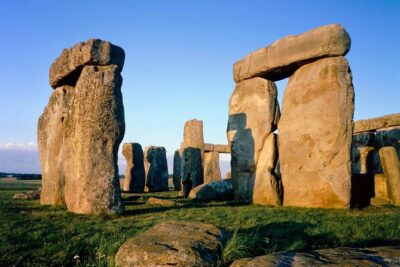
Stonehenge, Windsor Castle, and Bath from London
Read our review →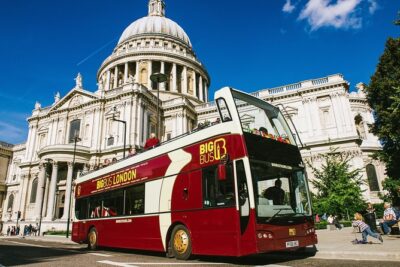
London Big Bus Hop-On Hop-Off Tour with Optional River Cruise
Read our review →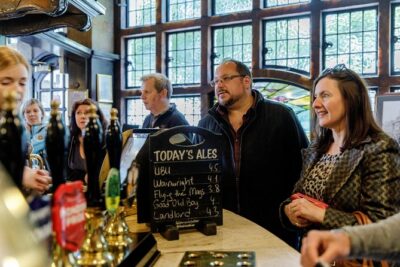
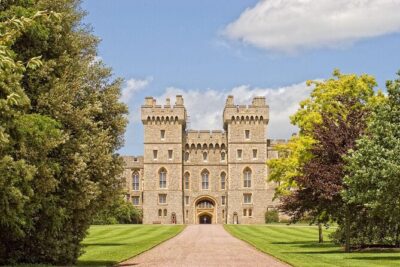
Stonehenge, Windsor Castle and Bath with Pub Lunch in Lacock
Read our review →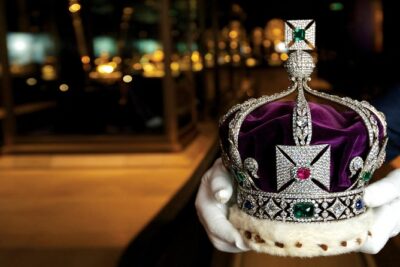
Tower of London and Crown Jewels Exhibition Ticket
Read our review →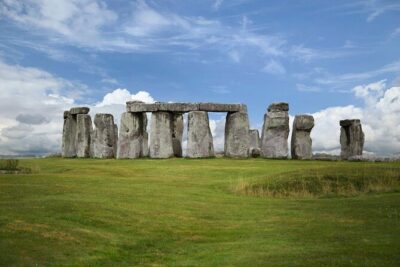
Stonehenge, Windsor Castle and Bath Full Day Guided Tour
Read our review →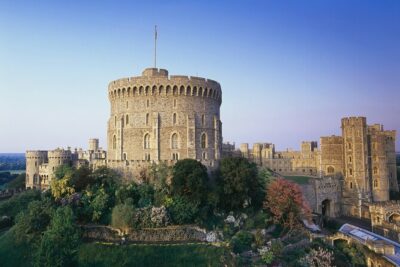
Windsor Castle, Stonehenge, and Oxford Day Trip from London
Read our review →