Reviewed · LONDON TOURS
Soho Soundtrack A Rock and Roll Tour of London
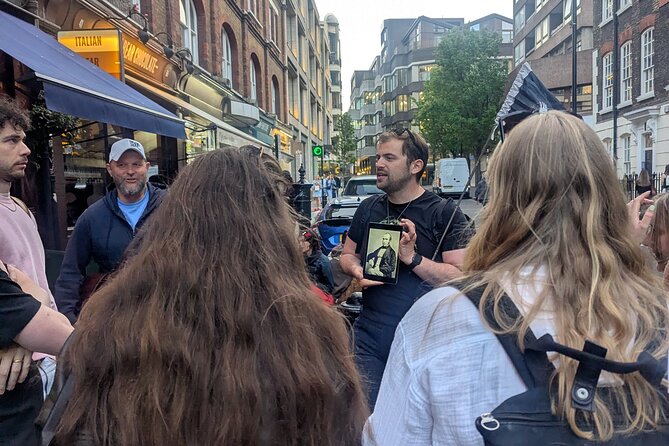
Soho sounds different when you follow the guitars. This 2 to 3 hour rock and roll walking tour connects 10 music-linked streets and landmarks, from Denmark Street’s Tin Pan Alley roots to Savile Row’s end-of-the-60s mood. I love the relaxed, unhurried pace and the way the guide Nick keeps the stories fun and clear, without rushing you. I also like the small group size (up to 30), so questions actually get answered. One catch to consider: many stops are quick exterior moments at plaques, shopfronts, and streets, so you will not get long, inside-only visits like a full venue tour.
The ticket is a solid value at $24.72 per person, and you are paying mainly for the walk and storytelling. Since the stops are listed as admission ticket free, your money goes toward context, connections, and atmosphere rather than ticket lines for one big attraction. You start at 9:30 am at Rough Trade Denmark Street and finish on Savile Row, so you can treat this like a focused Soho primer.
In This Review
- Key highlights to know before you go
- How the Soho Soundtrack walk is timed and priced
- Denmark Street: Tin Pan Alley, punk legends, and the original sound factory
- Seven Dials: the arty side streets that turn into rock hangouts
- Shaftesbury Avenue: theatre energy with a rock attitude
- Ronnie Scott’s Jazz Club: where rockers found late-night credibility
- Trident Studios: the plaque that points to recording royalty
- Berwick Street Market: records, indie DNA, and the Britpop thread
- Broad Street Cholera Pump: history with a sense of humor
- Carnaby Street: mods, rockers, and the look of London youth culture
- Ziggy Stardust Plaque: the Bowie moment you can actually stand under
- Savile Row: the walk ends with the feeling of transition
- What you learn beyond the stop list
- Who should book Soho’s Rock and Roll Tour with Nick
- Should you book this Soho Soundtrack tour?
Key highlights to know before you go
- Denmark Street first: start where British rock’s early scene forms around Tin Pan Alley vibes
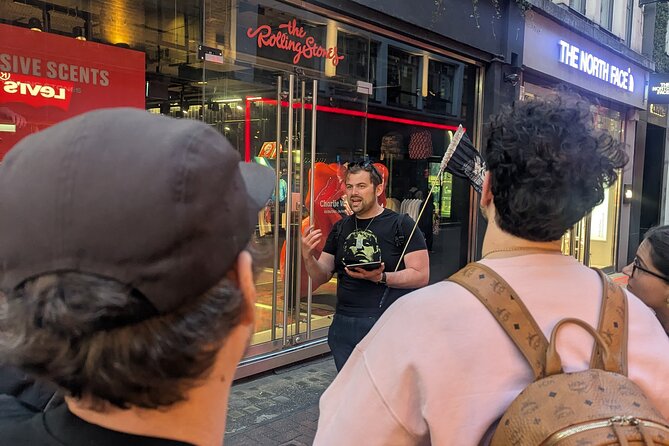
- A guide named Nick: funny, personable, and ready with answers, plus a few surprise moments
- About 10 minutes per stop: enough time for photos and details, not enough time to wander off
- Studio and club stops: a Trident Studios plaque and the Ronnie Scott’s rock crossover angle
- Ends at Savile Row: a clean finish point for your next plan in the West End area
- Small group feel: max 30 people, which helps the tour stay lively and interactive
How the Soho Soundtrack walk is timed and priced
This is built as a street-level story walk. The tour runs about 2 to 3 hours, with 10 stops that each get around 10 minutes. That timing matters. It keeps the momentum, but it also means you should show up ready to move, not to linger. If your dream is standing in one place for 45 minutes while you read every plaque in silence, this might feel a bit quick.
The price is $24.72 per person, and the value comes from what you are actually buying: a guided route through the places where rock started getting identities, scenes, and personalities. The stops are described as admission ticket free, so you are not paying again to enter major sites. The “included” part is the admission fee for the experience itself, which fits the idea that you are paying for a curated walk and a guide who can tie it together.
Language is English, and you get a mobile ticket. It also helps that the group cap is 30, so you are less likely to feel like you are trapped behind a line of people. The tour is designed for most travelers to participate, and service animals are allowed. Just plan your day around a 9:30 am start, since that is early enough to make you want comfortable shoes and a quick breakfast before you meet.
One more practical note: the tour does not include meals or public transport. That is normal for a walking tour, but it changes how you plan. If you are doing this on a half-day, pick a lunch spot near your finish, because Soho can be great, but you will lose time if you aimlessly drift afterward.
A few more London days worth comparing
- Stonehenge, Windsor Castle, and Bath from London
★ 4.5 · 18,662 reviews - London Big Bus Hop-On Hop-Off Tour with Optional River Cruise
★ 3.5 · 10,803 reviews - London Small Group Tour of Historical Pubs
★ 5.0 · 10,422 reviews
Denmark Street: Tin Pan Alley, punk legends, and the original sound factory
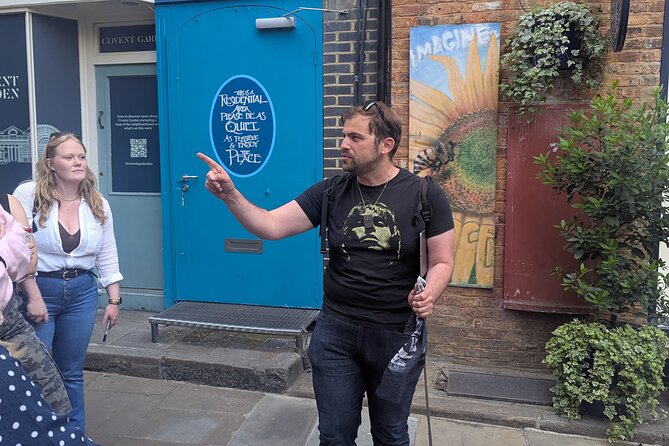
Stop 1 is Denmark Street, framed as London’s original Tin Pan Alley. This part is more than a fun name drop. It sets the tone for the whole walk: rock music here is not just a sound, it is a place where people traded ideas, practiced, and took creative risks.
What you get at Denmark Street is context. The tour describes it as the kind of street where the walls practically hum with guitar riffs, and it points to the famous overlaps you would expect in a real music ecosystem. You are told that legends like the Sex Pistols squatted here, the Kinks rehearsed upstairs, and David Bowie laid down demos just doors away. That is the core theme you will keep seeing: London scenes do not appear out of thin air. They cluster, and then they attract the next wave.
Why this stop works for you: if you only know these artists from later fame, this is where you understand the early geography. It is also a good first stop because it gives you a mental map quickly. You get your bearings fast, and then the guide can keep layering connections as you walk.
A small consideration: because the time here is short, you will not have long to study shopfront details. Bring your phone for photos, but also listen for the connections. The guide is doing most of the “reading” for you.
Seven Dials: the arty side streets that turn into rock hangouts
Stop 2 moves to Seven Dials, described as a gritty playground for artists before they became legends. This is one of those London areas where the streets feel normal until someone points out how much culture ran through them.
Instead of only focusing on famous names, the tour connects hidden venues, vintage record haunts, and the rebel creatives who helped turn this square into a rock and roll hub. The wording emphasizes layers, from punk poetry to glam grit. That gives you a useful angle: you are not only tracking bands, you are tracking attitudes and styles that fed each other.
Why this stop matters: it helps you understand how scenes evolve. A band becomes famous, but the culture around it often lives in smaller places, less protected by spotlight. Seven Dials is positioned as that kind of in-between space, where creativity had room to try things before it became headline material.
One practical tip: keep your eyes up and your ears open. Areas like Seven Dials reward attention to small details, and the guide’s job is to point you to what to notice.
Shaftesbury Avenue: theatre energy with a rock attitude
Stop 3 is Shaftesbury Avenue, described as Theatreland with a rock soul. The tour’s angle here is that rock stars were not only musicians, they were performers who understood drama, staging, and audience impact.
You are guided through the idea that even if Shaftesbury is known for musicals, rock artists used this street too. The tour mentions Hendrix hanging with playwrights and Bowie blending glam with drama. It also frames Shaftesbury Avenue as a place for spontaneous performances and nights with scandalous energy, which is a reminder that celebrity scenes often grow where different art forms cross.
Why you might love this stop: it expands the definition of rock history. You are not treating it like a timeline of songs only. You are seeing it as a culture of performance and image.
A consideration: if you are expecting a stop with a single, famous landmark you can photograph from every angle, this is more of a storytelling stop. The value is in the narration.
Same part of England, a different sort of day out:
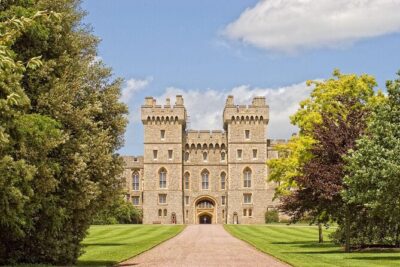
- Stonehenge, Windsor Castle and Bath with Pub Lunch in Lacock
★ 4.5 · 7,402 reviews - Tower of London and Crown Jewels Exhibition Ticket
★ 4.5 · 6,677 reviews - Thorpe Park Admission Ticket
★ 4.0 · 5,915 reviews - Stonehenge, Windsor Castle and Bath Full Day Guided Tour
★ 4.5 · 5,346 reviews
Ronnie Scott’s Jazz Club: where rockers found late-night credibility
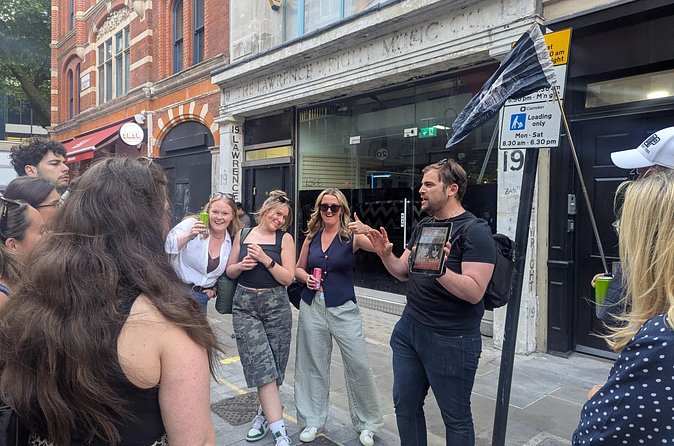
Stop 4 takes you to Ronnie Scott’s Jazz Club. Even though it is famous for jazz, the tour highlights a rock crossover, and that is the fun twist. The guide connects names you will recognize: Hendrix played here, and you are also told Jeff Beck and Sting did too.
The payoff is how the tour frames the club as a real meeting point. It is not treated as a sealed genre space. Instead, it becomes a setting for late-night jams and unexpected collaborations. That matters because it challenges a common myth, the idea that music scenes stay in neat boxes.
How to get the most out of this stop: listen for the guide’s emphasis on collaborations and the club atmosphere. You are standing outside, but the point is to imagine the sound in the room. If you are a fan of cross-genre stories, this is a highlight.
Trident Studios: the plaque that points to recording royalty
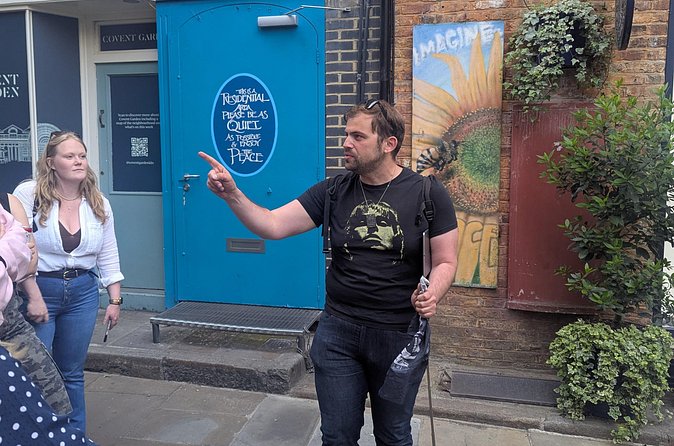
Stop 5 is the Trident Studios plaque. This is the “studio magic” part of the walk, and it is framed as sacred ground. The tour names some heavyweights tied to the studio: Queen, the Beatles, and Bowie recorded some of their most iconic tracks here.
Even without going inside, the plaque stop is powerful if you care about the behind-the-scenes side of rock. Studios are where raw ideas become finished work. They are also where technical choices, producers, and team energy can shape what you later hear as an album’s personality.
Why this stop is valuable for you: it helps your ears catch more than melodies. You start thinking about how recording spaces and creative teams mattered, not just the final performances.
A consideration: again, it is a short stop. If you want deep studio technical history, you will need another type of tour. Here you get the “who and where” that connects the story.
Berwick Street Market: records, indie DNA, and the Britpop thread
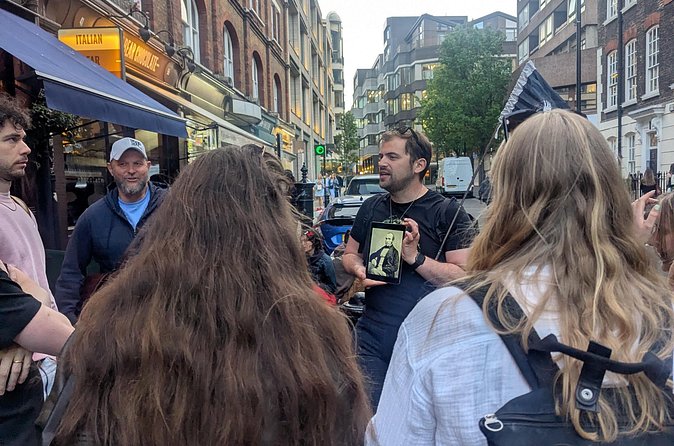
Stop 6 is Berwick Street Market. This one shifts from legendary studio plaques to the ongoing street-level music scene. The tour ties it to legendary record shops and an indie scene that helped keep rock alive through Britpop and beyond.
This is a great stop if you like the idea that rock history did not end in the past. The tour frames the market as a living continuation, where the culture keeps finding new outlets.
Why you will likely enjoy it: it brings the story closer to your trip day. You are not only looking back at 1960s and early rock eras. You are seeing how the scene evolves through record culture and independent shopping.
One tip: if you spot record shops nearby, do not let your photo stop turn into a shopping detour. Your guide is keeping the route smooth, and you will want to hit the later glam and Bowie-adjacent moments.
Broad Street Cholera Pump: history with a sense of humor
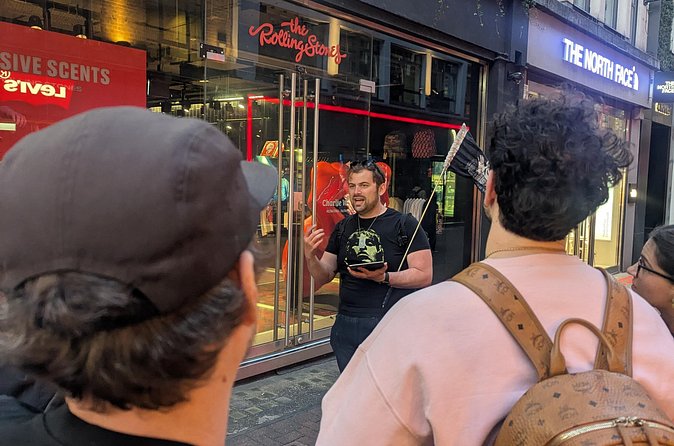
Stop 7 is the Broad Street Cholera Pump, which the tour calls a quirky Victorian water pump on a rock and roll route. That sounds odd until you see the tour’s logic: great bands, like good cities, often thrive on unexpected turns.
The guide ties it to rebellion, disruption, and standing against the mainstream. In practice, this stop is a breather. It also shows you how the tour thinks: not every stop needs to be a music venue. Sometimes the point is to use a landmark to talk about the culture around risk and change.
Why this is fun: it breaks the pattern. If every stop were a plaque about a band, your brain would go on autopilot. This one resets your attention.
Carnaby Street: mods, rockers, and the look of London youth culture
Stop 8 is Carnaby Street, described as part of Swinging London and connected to mods, rockers, and style rebels of the 1960s. This is where the tour leans into image, fashion, and the “sound plus style” idea that defines so much rock identity.
The tour frames Carnaby as a place where sound and style collided to create youth culture. It is positioned as electric energy, and it makes sense. Carnaby is one of those London streets that visually reads as youth and attitude even if you do not know the detailed music timelines.
Why this stop matters: it reminds you that rock history is also design history. The way artists dressed, performed, and showed up on the street helped shape how people understood the music.
If you want a practical win: take a couple photos here, then use the guide’s explanations to connect style choices back to the artists you know.
Ziggy Stardust Plaque: the Bowie moment you can actually stand under
Stop 9 is the Ziggy Stardust Plaque. The tour’s language is playful, and that fits this stop. You are told to recreate the famous photo moment and talk about how Bowie redefined what it meant to be a rock star.
This is also one of the more “you can participate” stops. If you want a lighthearted, fun memory to take home, this is where you do it. The tour connects the plaque to the cosmic weirdness of glam rock’s golden age, and the point is to treat Bowie as an artist who built a whole character world, not just a musician with hits.
Why you might love it: it gives you a physical place for an idea you already associate with Bowie. That can make your trip feel more real than reading facts in a guidebook.
Savile Row: the walk ends with the feeling of transition
Stop 10 is Savile Row, framed as where rock said goodbye to the 1960s. The description is poetic, with the idea of four legends going out on their own terms. It also notes that there are no tickets and no warning, just an ending mood.
This last stop is important because it gives your brain a closing point. After 9 stops of punk, theatre, studios, record culture, glam, and Bowie energy, Savile Row lands the theme: rock history is not static. It changes, and it leaves signatures in the city.
Why the ending helps: when you finish at Savile Row, you can plan an immediate next step toward theatres, shopping, or another walk. The tour ends at a clear location, so you are not wandering around looking for where you started.
A small consideration: since it is last, you may feel a bit rushed if you are tired. Pace yourself and save your biggest questions for earlier stops, when the group can still settle into conversation.
What you learn beyond the stop list
This is not only a sequence of famous names. It is about how rock culture formed in layers. The Denmark Street to Seven Dials movement makes the point that ideas cluster in specific neighborhoods. Shaftesbury Avenue to Ronnie Scott’s adds that performers and scenes borrowed credibility from other art worlds. Trident Studios brings recording culture into the story, and Carnaby Street plus Ziggy Stardust ties identity and performance back to what people saw as much as what they heard.
Then there is the human side of the tour, which is a big part of the value. The guide Nick is praised for being funny and personable, for speaking with energy, and for packing in lots of details without rushing you. People also highlight that he answers questions and keeps the vibe friendly even with a larger group. Some guests even mention he sang here and there, which tells you the tour tries to feel like a live event rather than a lecture.
For you, that matters because it changes how you remember the walk. You are more likely to connect the dots after the tour if the guide makes you laugh and keeps the story moving. And if you are a first-time Soho visitor, this format helps you notice things you might miss on your own, like how theatre, studio culture, and street identity all interact.
Who should book Soho’s Rock and Roll Tour with Nick
This tour is a great fit if you want:
- A guided way to see Soho through rock culture, not just architecture
- A comfortable walking pace that still feels like you are doing something
- A route built from recognizable music landmarks and stories, from punk roots to glam
It also works well for people who like group energy. With a maximum of 30 travelers, you are not stuck with a huge crowd. If you are going with friends, it is easy to share photos and compare which stories resonated. If you are visiting as part of a work get-together, the relaxed pace and humor are the kind of mix that tends to work for mixed music knowledge.
If you are very deep into one single era, say only the Beatles or only punk, you might want to pair this with another focused tour later. This walk covers a wide range by design, and that is both its charm and its limitation.
Should you book this Soho Soundtrack tour?
Book it if you want an easy, efficient way to get the rock and roll DNA of Soho in 2 to 3 hours. At $24.72, the value is strong because you are paying for a guide who links the places together, and many stops are street-level and admission free to experience from outside. The small group size and Nick’s humor and interaction also give it real momentum, so you are less likely to feel bored halfway through.
Skip it, or be cautious, if you need long time at specific venues or you dislike standing and walking for a couple hours. This is a quick, story-driven route with short stops. Wear good shoes, charge your phone, and show up ready to listen, not wander.
If your goal is to leave Soho feeling like you understand why the music mattered and where it happened, this is a fun way to get there.
Recently added around London
- Stonehenge Summer Solstice Tour from London: Sunset or Sunrise Viewing★ 3.5 · 23 reviews
- Stonehenge Special Access Guided Evening Tour from London★ 5.0 · 79 reviews
- Stonehenge Special Access Guided Morning Tour from London★ 4.5 · 3 reviews
- Stonehenge Independent Visit with Private Driver by Luxury Sedan★ 5.0 · 11 reviews
- Stonehenge In A Private Vehicle Service From London With Admission Tickets★ 4.5 · 10 reviews
- St Pauls Cathedral & See Over 30 Top London Sights Tour★ 4.5 · 29 reviews
- Private Transfers From Southampton to Heathrow Airport or Central London★ 5.0 · 5 reviews
- SPYTRAIL: Hunt for the Mole (Self-Guided Adventure Walk)★ 5.0 · 4 reviews
London Tours, compared.

Stonehenge, Windsor Castle, and Bath from London
Read our review →
London Big Bus Hop-On Hop-Off Tour with Optional River Cruise
Read our review →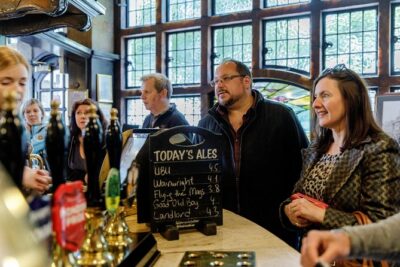
Stonehenge, Windsor Castle and Bath with Pub Lunch in Lacock
Read our review →
Tower of London and Crown Jewels Exhibition Ticket
Read our review →
Stonehenge, Windsor Castle and Bath Full Day Guided Tour
Read our review →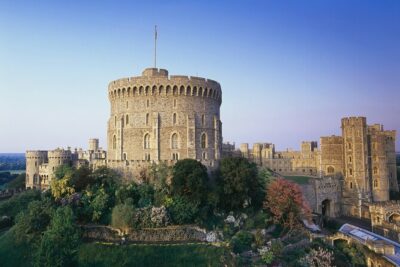
Windsor Castle, Stonehenge, and Oxford Day Trip from London
Read our review →