
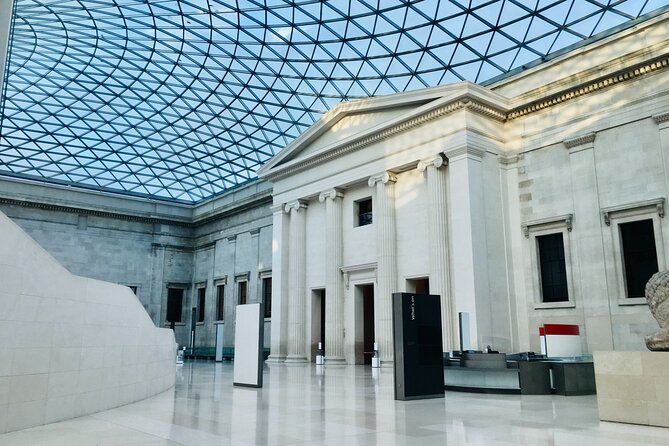
Reviewed · BRITISH MUSEUM TOURS
The British Museum: a highlights tour with a TV historian
A famous historian helps this museum make sense. I like the pace, with a tight route through major objects, and I like the stories, including the rarely told angle on how artifacts ended up in the collection. You get a private feel, so questions do not get lost in a crowd.
You will see headline pieces like the Rosetta Stone and the Elgin Marbles, but the real value is what you learn around them, from deciphering hieroglyphs to cultural context and object history. The tour is also family-friendly in a smart way, using Harry Potter-style comparisons and modern references so history clicks fast.
One consideration: this is a busy museum with lots to see, so if you arrive late or skip the museum’s timed entry prep, you may feel rushed in the 3-hour window.
In This Review
- Key highlights to watch for
- Why a TV historian tour feels different at the British Museum
- The 11:00 start, meeting point, and why timing matters
- What you actually get for your money (and what you do not)
- Rosetta Stone, hieroglyphs, and the breakthrough you can picture
- Egypt in sculpture form, plus the human story behind power
- Artifacts from the Americas and a reality check on authenticity
- Writing systems, cuneiform, and translation explained
- Sutton Hoo and the Anglo-Saxon treasure moment
- Human rights, epic tales, and why the oldest stories still matter
- Elgin Marbles, Parthenon sculptures, and the tricky history of collecting
- Objects across the globe: Assyria, Benin Bronzes, Lewis Chess, and more
- Breaks and pacing in a 3-hour highlights route
- Who this tour is best for
- Should you book this British Museum highlights tour?
- FAQ
- What is the duration of this British Museum highlights tour?
- Where does the tour start?
- What time does the tour start?
- Is the museum admission included?
- What is included in the tour price?
- Is this tour private?
- What language is the tour offered in?
- Will I receive a ticket on my phone?
- Are service animals allowed?
- How flexible is cancellation?
- Is the tour suitable for most people?
Key highlights to watch for
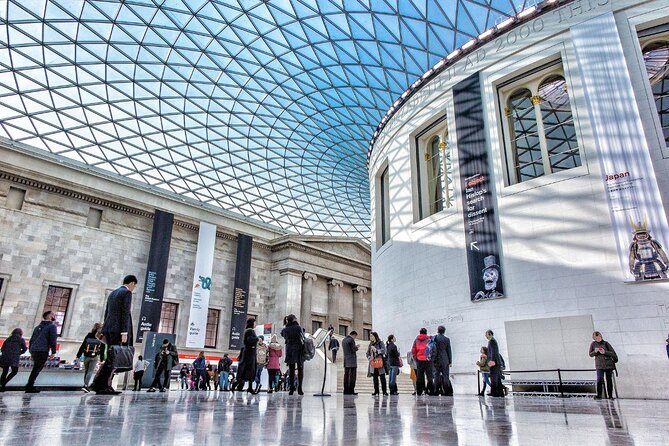
- Rosetta Stone decoding stories that turn hieroglyphs into a real breakthrough you can picture
- Big-name sculptures and treasures like the Elgin Marbles, Parthenon sculptures, and the Lewis Chess pieces
- Fakes and myths get addressed including crystal skull legends and mermaid claims
- Hands-on context for writing systems with cuneiform and translation explained in plain language
- A one-group pace with breaks helped by the guide’s experience managing museum time
Why a TV historian tour feels different at the British Museum
The British Museum can feel like a warehouse of wonders if you walk in cold. Yes, the objects are spectacular, but without a guide you might bounce from gallery to gallery and still miss the meaning behind what you’re seeing.
This tour is built for clarity. You do not just get a list of famous artifacts. You get a narrative thread that connects them: how humans built empires, traded ideas, invented writing, and recorded power. And because the guide is an expert with serious museum ties, you also hear the more complicated side of collecting, including acquisition stories that most people never notice on their own.
I especially appreciate the way the guide makes the museum feel alive rather than academic. One guide example that really stuck with me from past experiences is how Loona, a former British Museum staff member, brought facts with personality and timing. When your guide has that background, you stop thinking, I’m looking at stuff, and you start thinking, I’m watching a chain of cause and effect across centuries.
For families, that matters even more. If your kids tune out at museums, this kind of tour can reset attention. The guide specifically uses fun bridges like Harry Potter references, Hollywood comparisons, and everyday life parallels to keep the brain engaged while you move room to room.
More British Museum tours:
- British Museum London Guided Tour Semi-Private 8ppl Max
★ 5.0 · 984 reviews - The British Museum London – Exclusive Guided Museum Tour
★ 5.0 · 555 reviews - British Museum Guided Tour
★ 4.0 · 470 reviews
The 11:00 start, meeting point, and why timing matters
Your tour starts at 11:00 am at the British Museum Reading Room, Great Russell St, London. It ends back at the museum area near the Mummies gallery, still in the Great Russell St zone.
That start time is your friend if you treat it like a strategy. The museum is free, but entry is not automatic. You need to book your own timed ticket directly from the British Museum website. Those free slots can run out, so plan ahead. A practical tip: give yourself extra buffer at arrival, because you should allow about 30 minutes to get inside. If you show up late, you will feel it in the first hour.
You also get a mobile ticket for the tour. Confirmation happens at booking time, and the experience is designed as a private activity, meaning only your group participates. That reduces the common problem of hearing a guide’s voice through 30 different directions of curiosity.
What you actually get for your money (and what you do not)

The tour includes guiding services only. Admission to the museum is free, but you are responsible for booking your free timed entry ticket from the museum’s own website.
That setup can be great value if you want expert interpretation without paying an admission markup. The best part is that you are not stuck doing the hard work of planning a route through a gigantic building while also trying to decode famous objects on your own.
Just be realistic: since guiding services are the focus, you should come prepared to enjoy the museum’s self-guided resources too, if you want them. Also, souvenirs cost extra, like they do anywhere.
Rosetta Stone, hieroglyphs, and the breakthrough you can picture
One of the anchor stops is the Rosetta Stone, and the guide frames it as a turning point in how people learned to read the past. You do not just see the stone and move on. You hear how hieroglyphs were deciphered, with the big idea explained in a way that makes the process feel less mysterious.
Why this matters: the Rosetta Stone is famous for a reason, but most visitors treat it like a trivia item. With a guide, it becomes an example of scientific reasoning applied to language and history. It helps you see why this object was a key to unlocking whole worlds of texts.
If you’re the type who likes cause and effect, this is a highlight. The guide connects the deciphering story to what people could learn once the writing system stopped being locked away. Even if you only remember a handful of facts, you should walk out with a stronger sense of what translation changes.
More museum visits in London:
- Tower of London and Crown Jewels Exhibition Ticket
★ 4.5 · 6,677 reviews - Chelsea FC Stadium Tours and Museum
★ 5.0 · 1,908 reviews - Official tickets: Moco Modern & Contemporary Art Museum
★ 4.5 · 1,157 reviews - The Postal Museum Admission Ticket
★ 4.5 · 347 reviews
Egypt in sculpture form, plus the human story behind power
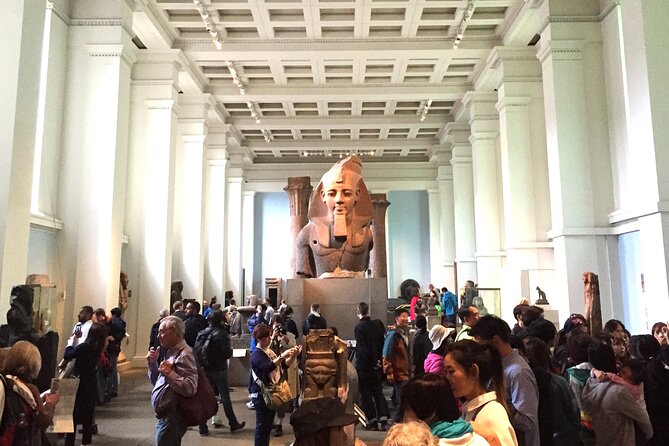
From decipherment, the tour also steps into Egyptian material culture, including the bust of Rameses II. The point is not only to appreciate the workmanship. It’s to understand why leaders invest in monumental imagery and how those messages travel across time.
You also get other connections across the collection, such as later interpretations and comparisons. That makes the Egyptian sections feel like part of a larger global story rather than a one-gift-stop.
If you usually love art, you will enjoy the way the guide points out what you might otherwise miss, like how faces, posture, and scale communicate status. If you lean toward history, you will like how the guide ties the object to political realities.
Artifacts from the Americas and a reality check on authenticity

The tour includes Aztec jewelry associated with Montezuma, which gives you a chance to think about craftsmanship, status, and ritual. It also pairs well with other distant artifacts later in the route, because the guide encourages comparison, not isolation.
Then comes a part that is pure brain fuel: fakes and myths. You’ll hear about crystal skull legends and mermaid stories, and you’ll learn how the museum world deals with authenticity and misinformation.
This is one of the tour’s smartest components for modern visitors. In today’s internet age, convincing myths spread fast. A guide who can explain how specialists evaluate objects helps you enjoy the museum without leaving with the wrong story in your head.
Writing systems, cuneiform, and translation explained
Another core theme is writing itself. The tour covers cuneiform and how it was translated, and it also touches on the oldest library concept.
This is a great choice if you like the mechanics of knowledge. It turns the museum from a place of beautiful artifacts into a place of human problem-solving. You start thinking about scribes, record-keeping, and how empires needed systems to manage power and trade.
Even if you do not know a single word of ancient languages, you should understand what translation unlocks. You should also come away with a sense of how scholars approach meaning, not just symbols.
Sutton Hoo and the Anglo-Saxon treasure moment
One highlight that really gets attention in strong reviews is the Anglo-Saxon trove, including the Sutton Hoo material. This part can feel close to home compared with some far-flung ancient civilizations, because it shows how early Britain displayed wealth, craft, and beliefs.
The guide’s role here is huge. Without context, you can see items and still wonder what the significance is. With a good guide, the object details become clues in a story about identity, leadership, and trade networks.
If you like archaeology and the mystery of what survived, Sutton Hoo is a section to lean into.
Human rights, epic tales, and why the oldest stories still matter
The tour includes the world’s oldest epic story and the first ever declaration of human rights. That pairing might sound unexpected, but it works. You see how societies expressed values through narrative and through formal statements.
The takeaway is practical: stories and laws are both ways humans organized meaning. Hearing these themes in a museum highlights how long questions about fairness, authority, and duty have existed.
If you are traveling with school-age kids, this is where attention often clicks. Big ideas become concrete when a physical object sits behind them.
Elgin Marbles, Parthenon sculptures, and the tricky history of collecting
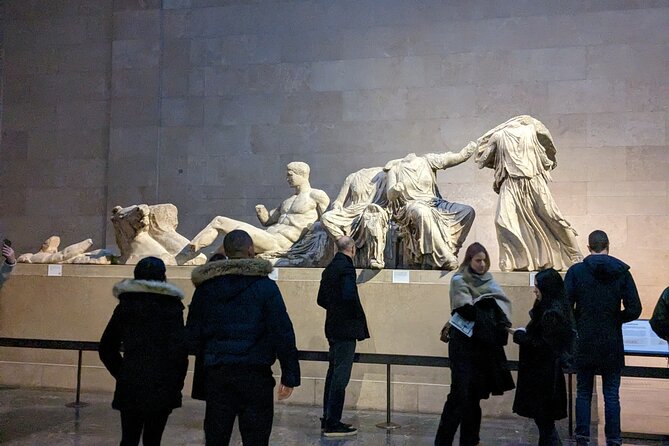
Yes, you will see the Elgin Marbles and Parthenon sculptures. These are headline artifacts that many people know about, but the tour adds the critical layer: how acquisition happened and what the object history implies.
This part is valuable because it gives you a more honest museum visit. It does not force you into one conclusion, but it helps you understand why the conversation exists. That makes your own opinion more informed, and it keeps your visit from becoming just another photo stop.
I also like that the guide handles these topics without turning it into a lecture. You still get to appreciate the scale and craftsmanship, while also learning what questions the objects carry.
Objects across the globe: Assyria, Benin Bronzes, Lewis Chess, and more
The tour moves beyond one region quickly, and that is a feature, not a bug. You’ll see highlights such as:
- The Assyrian war machine
- Benin Bronzes
- The Lewis Chess pieces
- Celtic jewellery
- Mayan carvings
- An Easter Island statue
- A Chinese Buddha
- A Shiva statue from India
- Plus Aztec jewellery worn by Montezuma
This is where the guide’s skill becomes apparent. Jumping between civilizations risks feeling random if the route is not interpreted. Here, the guide keeps the museum readable by using the objects to talk about big themes: power, belief systems, technology, and social status.
You may not have time to explore every gallery deeply, but in 3 hours the tour acts like a high-quality filter. You leave with places to go back to if something truly sparks your interest.
Breaks and pacing in a 3-hour highlights route
The museum is huge. Even with a curated walk, you can get museum fatigue if you rush. One reason this tour earns such strong marks is that you get time for breaks and a paced experience. That makes it feel less like a sprint and more like a focused tour that respects your energy.
Also, the guide is punctual, which matters when you’re coordinating timed entry and a set starting point. When a guide sticks to the plan, you can relax and enjoy the route instead of worrying you missed something at the start.
Who this tour is best for
This is a solid fit if you want:
- A guided route through major museum highlights without spending half your day planning
- Clear explanations of famous objects like the Rosetta Stone and cuneiform translation
- Stories that include acquisition and authenticity debates, not just surface facts
- A private format where your questions can land and you are not competing with a tour group wave
It’s also a good match for families, especially if your kids need a hook. Harry Potter-style references and modern comparisons are built into how the guide tries to keep kids engaged.
If you are already a deep museum scholar, you might crave more time per section. But for most people, 3 hours is a smart amount to see the big hits with context.
Should you book this British Museum highlights tour?
Book it if you want your British Museum visit to feel structured, explained, and worth your time. The combination of major artifacts like the Rosetta Stone, Elgin Marbles, Parthenon sculptures, Lewis Chess pieces, and the guided context about deciphering, authenticity, and acquisition makes this a strong value proposition. You are paying for the guiding, while museum admission stays free, so you get expert interpretation without the admission cost.
Skip it only if you know you prefer total freedom, wandering slowly on your own, and you do not care about object histories or authenticity questions. Also, if you struggle with timed entry logistics, plan ahead, because the museum ticketing needs attention before you show up.
If you do book, do one thing that will improve your whole day: reserve your free timed entry ticket from the British Museum website a few days in advance, then arrive early enough to cover the entry line and security time.
FAQ
What is the duration of this British Museum highlights tour?
It is about 3 hours.
Where does the tour start?
The meeting point is the British Museum Reading Room, Great Russell St, London.
What time does the tour start?
The start time listed is 11:00 am.
Is the museum admission included?
Museum admission is not included, but admission tickets are free. You must book your own free timed entry ticket from the British Museum website.
What is included in the tour price?
The tour includes guiding services only.
Is this tour private?
Yes. It is a private tour or activity, and only your group participates.
What language is the tour offered in?
It is offered in English.
Will I receive a ticket on my phone?
Yes. You receive a mobile ticket.
Are service animals allowed?
Yes, service animals are allowed.
How flexible is cancellation?
You can cancel for a full refund up to 24 hours in advance of the experience start time. Within 24 hours, the amount you paid is not refunded.
Is the tour suitable for most people?
The information provided says most travelers can participate, and it is near public transportation.
Recently added around London
- Stonehenge Private Tour★ 5.0 · 4 reviews
- Private Transfers From Heathrow Airport to Central London★ 5.0 · 8 reviews
- Professional Private Couple Photoshoot★ 5.0 · 35 reviews
- Private transfer to Southampton with a stop at Stonehenge★ 4.5 · 33 reviews
- Private transfer from London Heathrow Airport to Southampton★ 5.0 · 3 reviews
- Private London Panoramic Tour by Car with Pick Up From Your Hotel★ 5.0 · 13 reviews
- Private Transfer Any London Hotel to Southampton Cruise Port★ 5.0 · 7 reviews
- Private driver tours to Leeds Castle, Canterbury, White Cliffs★ 4.5 · 30 reviews
British Museum Tours, compared.
British Museum London Guided Tour Semi-Private 8ppl Max
Read our review →
The British Museum London – Exclusive Guided Museum Tour
Read our review →
Private Guided Tour of the British Museum – Tickets Included
Read our review →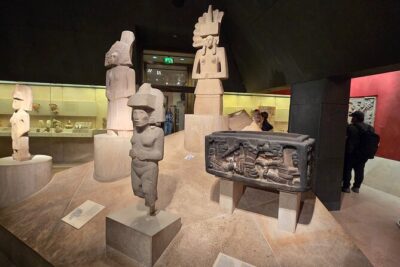
British Museum Guided Tour with Priority Timeslots(Small Group)
Read our review →
British Museum & National Gallery of London Semi-Private 8ppl Max
Read our review →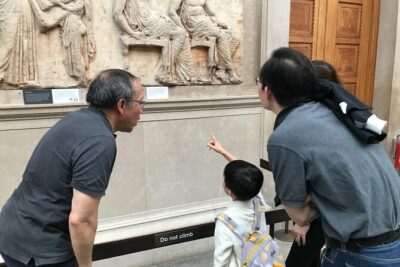
Explore Biblical Artifacts at the British Museum
Read our review →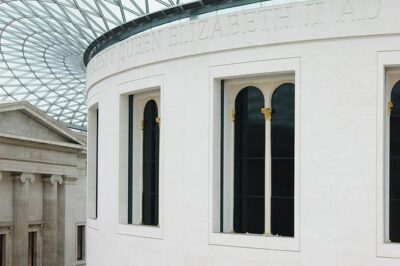
British Museum Highlights Private Tour in London including the Rosetta Stone
Read our review →Browse the lists this tour appears in