
Reviewed · WALKING TOURS
Winston Churchill’s London At War. A Private Walk Through Britain’s Darkest Hour
Churchill’s war story walks through London. This private 3 to 4 hour route strings together 10+ real sites tied to Winston Churchill, from where he lived to where he planned. I like the mix of personal biography and wartime Britain, because you feel like you are moving through the same streets Churchill did. The big reason to book is the guide plus fast track Churchill War Rooms access, so you are not stuck in long lines. One thing to consider is that it is priced at a premium for a private experience, so you want to make it count with good shoes and a focused morning.
I especially love how much time you get with one guide, not a big crowd shuffle. My favorite moments are the stops tied to Churchill’s everyday life, like his tobacconist visit, and the wartime planning locations where the stakes were truly huge. The route also makes practical sense for your day, since the morning format leaves the rest of London open for you to roam.
The main drawback is also the nature of a walking tour: you will cover a lot of ground in a short time. If you hate street-level walking or you need lots of seating breaks, this may feel a bit tight. That said, the pacing is built for seeing key sites, and it is designed to work well for most people.
In This Review
- Key points to know before you book
- Walking Churchill’s London, not just reading it
- Mayfair: where Churchill’s life story begins
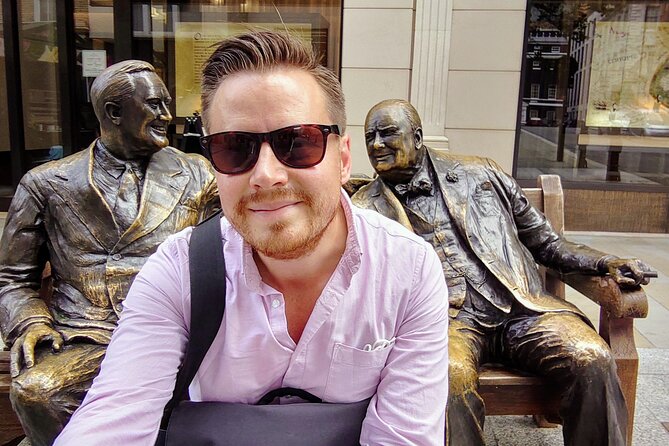
- A statue for friendships: Churchill and Roosevelt’s London footprint
- St. James’s and the spying world around it
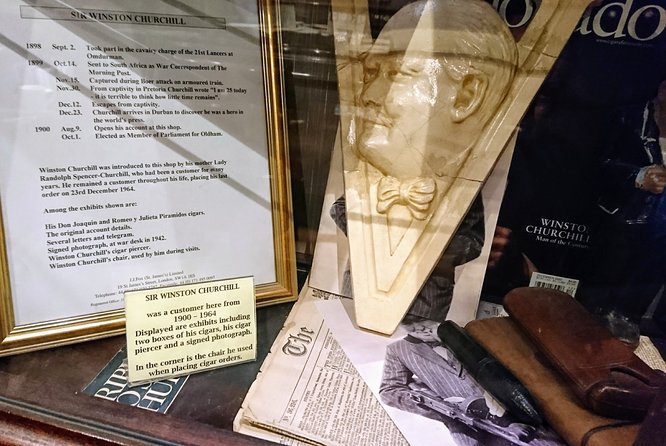
- James J. Fox and Robert Lewis: Churchill’s cigars, up close
- St. James’s Square: Norfolk House and D-Day planning
- Carlton House Terrace: the German Embassy before it changes hands
- Whitehall: where the wartime government machine concentrated
- Westminster Abbey and the Foreign Office roof during the Blitz
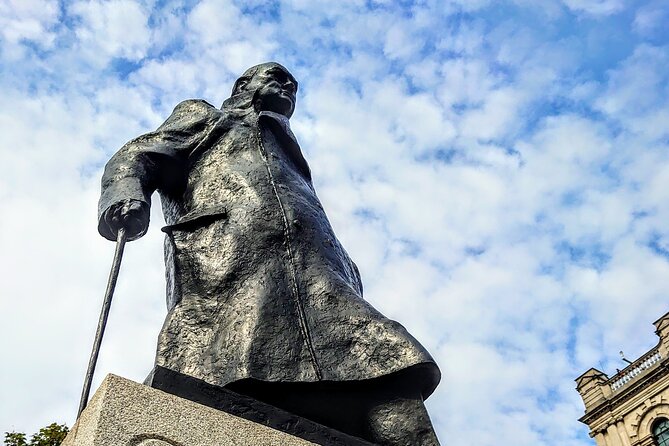
- Parliament Square: VE Day, shelters, and the statue’s placement
- Churchill War Rooms: the secret HQ, with fast track access
- Price and value: what you are really paying for
- Getting the most out of it: practical tips for a smoother morning
- What made the guide matter in real life
- Who should book this tour?
- Should you book Churchill’s London At War?
- FAQ
- What is the duration of the private walk?
- Where does the tour start and end?
- What language is the tour offered in?
- Is Churchill War Rooms included?
- What is not included in the price?
- Are service animals allowed?
- Is there a cancellation option?
Key points to know before you book
- Private guide time: Only your group goes along, with your guide focused on you.
- Fast track Churchill War Rooms: You get skipping-queues access to the secret HQ.
- 10+ Churchill-linked stops: Mayfair, Whitehall, Westminster, Parliament Square, and more.
- Espionage and wartime connections: You hear how MI5 type offices and even CIA links show up in the neighborhood story.
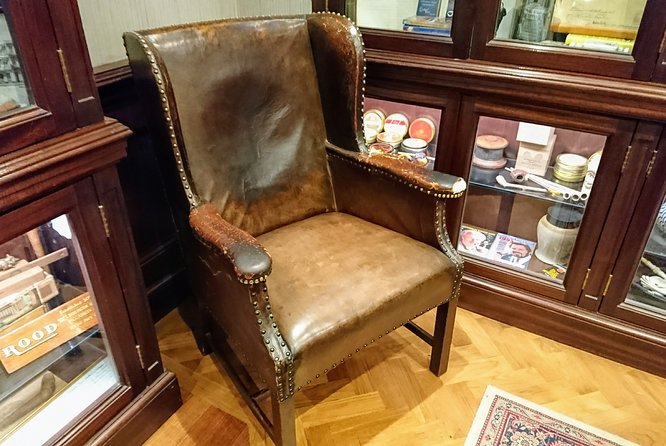
- A photo-friendly Churchill detail: At the tobacconist store, you can sit in a chair tied to Churchill for a quick picture.
- Morning tour value: You get a war-focused morning and still keep the rest of the day free.
Walking Churchill’s London, not just reading it
This tour is about turning the war into something you can see. You are not stuck with one museum. Instead, you walk a focused line through parts of central London that shaped Churchill, surrounded him, and also helped run the country through bombing, secrecy, and command decisions.
What I find most useful is the way the guide connects people to places. Churchill was not just a name in a history book. You hear how his career path led toward British Prime Minister and wartime leadership, and you also get context for why these locations mattered when the pressure went up.
And yes, the big payoff is the Churchill War Rooms. The fast track entry matters because you keep your momentum. You spend less time waiting and more time absorbing the Map Rooms and the museum. That is a quality-of-life win in London, where lines can swallow your morning.
More Walking Tours in London
- Tour for Muggles The Ultimate Harry Potter Walking Tour in London
★ 5.0 · 4,684 reviews - Changing of the Guard Guided Walking Tour in London
★ 5.0 · 1,793 reviews - The Great British Rock and Roll Walking Tour
★ 5.0 · 1,371 reviews
Mayfair: where Churchill’s life story begins
You start in Mayfair, an area tied to the more private side of Churchill’s early life. This is where you learn about the family home still in place, plus the Bachelor House and his first marital home. The effect is simple but powerful. You begin with the human side first, not the war command center.
From there, the guide maps his long, eventful career and how it led to the top job. You will connect the dots between his earlier years and how the war years amplified his role. It is a nice setup because it makes the later stops feel less like trivia and more like a timeline.
This first part is also a short one in time, which helps you stay fresh. You get orientation, then you move on.
A statue for friendships: Churchill and Roosevelt’s London footprint
Next is a quick stop at the sculpture celebrating the friendship between Winston Churchill and President Roosevelt. It is a small pause, but it serves a key purpose. The war was international, and this kind of landmark reminds you that Britain was not fighting in isolation.
The stop is brief, so treat it like a marker on your walking route. Let it do its job, then keep going.
St. James’s and the spying world around it
St. James’s is where the tour gets a little more thriller-like, without turning into pure fiction. This neighborhood is full of gentlemen’s tailoring shops, private members clubs, and wartime-adjacent offices. You will also hear about World War II intelligence offices and departments connected to MI5, plus the neighborhood link that leads into CIA connections.
The guide also ties this to modern pop culture, including a bit about James Bond. That angle works best as a bridge. It helps you understand why London keeps pulling spy stories from real places, not just from imagination.
If you enjoy espionage themes, this is one of the stops you will remember. Even if you do not, it is useful context for why Churchill’s Britain cared so much about secrecy, messages, and information.
Same part of England, a different sort of day out:
- Stonehenge, Windsor Castle, and Bath from London
★ 4.5 · 18,662 reviews - London Big Bus Hop-On Hop-Off Tour with Optional River Cruise
★ 3.5 · 10,803 reviews - London Small Group Tour of Historical Pubs
★ 5.0 · 10,422 reviews - Stonehenge, Windsor Castle and Bath with Pub Lunch in Lacock
★ 4.5 · 7,402 reviews
James J. Fox and Robert Lewis: Churchill’s cigars, up close
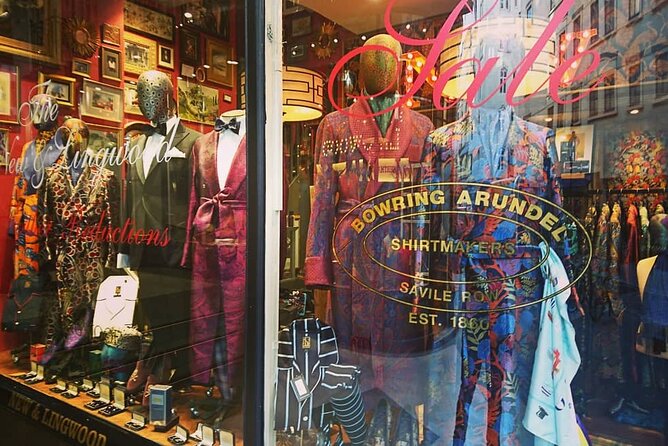
This is one of the most memorable moments for many people, and for good reason. You visit the tobacconist store where Churchill bought his cigars. The stop gives you something rare in history tours: a touchpoint with daily habit.
There is also a practical, photo-friendly detail. You can try out Churchill’s favorite chair for a picture. It is quick, but it turns learning into something you can actually take home with you.
If you are the type who likes “small details with big meaning,” you will like this stop a lot. It also breaks up the more official buildings with something personal.
St. James’s Square: Norfolk House and D-Day planning
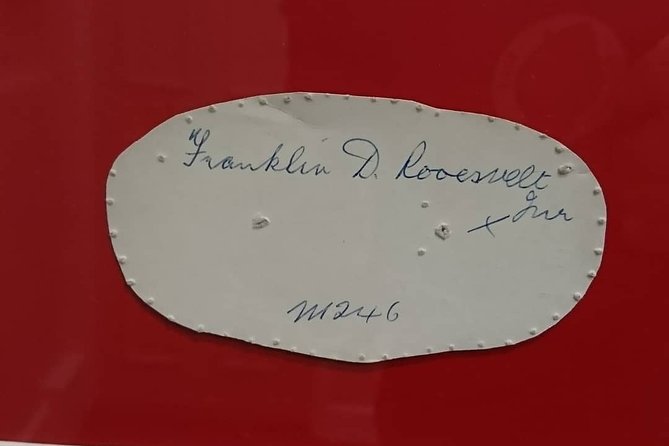
Then you head to St. James’s Square for Norfolk House, described as a secret London HQ for Dwight Eisenhower during D-Day preparations. You hear how top Allied chiefs of staff would meet here as they planned Operation Overlord.
This stop is short, but it carries a heavy weight. It is one thing to read about D-Day. It is another to stand in a location tied to the planning room energy, where coordination had to be precise. You get the sense that the war was not only fought on beaches, it was negotiated on paper, in meetings, and in controlled decision-making.
Carlton House Terrace: the German Embassy before it changes hands
At Carlton House Terrace, you learn it was the former German Embassy. From 1936 to 1938, it served as Joachim von Ribbentrop’s office. You also hear about SS guards outside and official cars flying the swastika during that period.
Ribbentrop later left in 1938 and became Nazi Foreign Minister. This stop gives you a clear sense of how power used London buildings during the lead-up years.
It is brief, but it has a clear emotional impact. You start to see how close the symbols of the enemy were to the center of British life.
Whitehall: where the wartime government machine concentrated
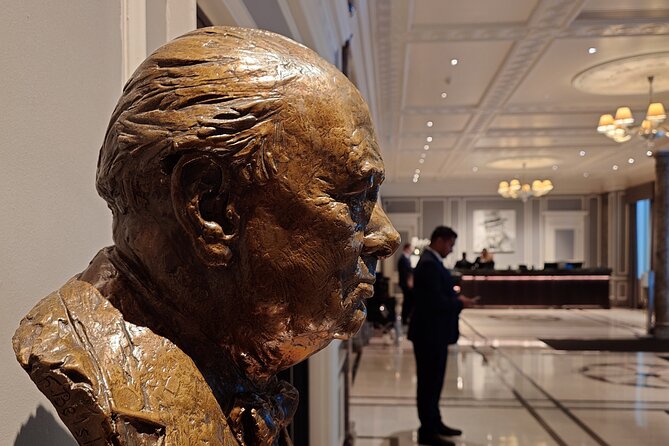
Whitehall is where you get the biggest concentration of important World War II buildings. This is a key moment in the tour because it shifts from personal biography and international ties into the machinery of government under threat.
You will hear about Admiralty House, where Churchill lived as First Lord during the early days of WWII. The guide also points out secret communications centers and bunkers in the area. You will also learn about the Ministry of Defence and the Old War Office.
Whitehall can be a lot, visually. The value here is that your guide gives you a way to read the place. You are not just walking past institutions. You are learning what each cluster of buildings meant when the pressure of the war tightened.
Westminster Abbey and the Foreign Office roof during the Blitz
At Westminster Abbey, the tour connects Churchill to Downing Street and the government nerve center. Your guide talks about Churchill’s dangerous nighttime visits to the roof of the Foreign Office to watch London being bombed during the Blitz.
You will also see how the guide uses the physical scars on buildings damaged during air raids as teaching points. It is not just a story. You get to notice what remains, even when the event is long past.
A related theme also comes up: how this area held some of the biggest secrets of WWII. That makes the stop feel less like sightseeing and more like a lesson in how operations stayed hidden even in a city full of people.
Parliament Square: VE Day, shelters, and the statue’s placement
Parliament Square is a strong closer before you go underground. The House of Commons and Lords frame the space, and you hear that large air raid shelters were located under the square during WWII.
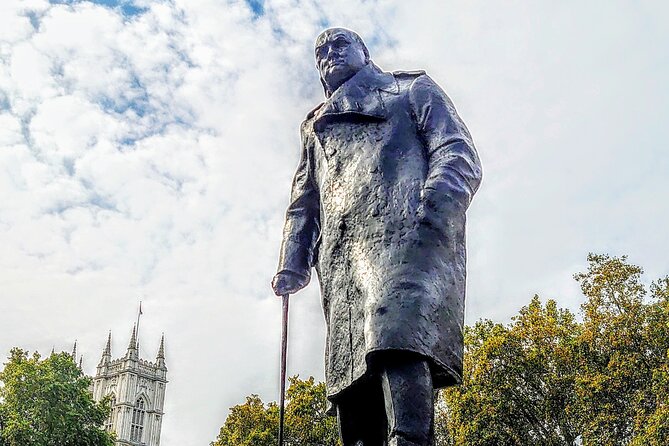
Churchill’s statue dominates the southern end of the square, and your guide explains why it sits there in that specific spot. It helps to hear the reason behind placement because public art can feel random until someone gives you the logic.
Then comes VE Day. You are guided to look up toward the nearby balcony of the Ministry of Health, where Churchill addressed crowds. It is a simple instruction, but it sparks the imagination. You can almost picture the moment when the war in Europe ended, and you can feel why people needed to gather in a place like this.
Churchill War Rooms: the secret HQ, with fast track access
The final stop is the Churchill War Rooms, the secret underground headquarters beneath Whitehall. This is where Churchill declared that from this room he would direct the War.
Here is where your fast track access matters most. Your guide ensures you skip the queue, then you get an overview before you go into the museum and Map Rooms. After that, you have as much time as you like to explore at your own pace.
I like this structure. You start with a guided orientation, which helps you understand what you are looking at. Then you get the freedom to linger with what grabs you, instead of being marched through.
If you like WWII details, the War Rooms are the type of place where small elements feel important. That is true of bunker life, maps, and the whole concept of command under pressure. The Map Rooms in particular help you picture the war as something tracked and directed step by step.
Price and value: what you are really paying for
At $242.71 per person, this is not a budget tour. But it is also not just a walking loop with a coupon. You are paying for a private format with your guide giving undivided attention, plus entrance to the Churchill War Rooms and fast track access.
The value improves if you care about context, not only facts. This tour is built around interpretation: why places mattered, how events tied together, and what you should notice as you move from Mayfair to Whitehall and down into the War Rooms.
It is also a smart buy if you want efficiency. Morning tours keep your day open, and fast track entry reduces wasted time. For London, that time-saving is real money, even if you do not think about it that way.
If you are traveling with someone who also likes biography, espionage, and the practical side of wartime decisions, the price tends to feel more reasonable.
Getting the most out of it: practical tips for a smoother morning
First, plan for walking. This is a street-level tour across several central districts, so comfortable shoes help more than you might think.
Second, arrive ready to focus. With so many stops tied to Churchill, you will get more out of it if you take a few quiet notes as you go, especially at places where the guide is connecting timelines.
Third, use the War Rooms time well. Since you can stay as long as you like, decide what you want first: the museum overview, the Map Rooms, or just the room details that catch your eye. A short plan helps you avoid the classic museum problem of feeling like you rushed.
Finally, if you care about photo moments, the tobacconist chair is an easy win. It is quick and it is connected to Churchill’s personal life, not just a random street stop.
What made the guide matter in real life
The reviews emphasize how strong the guide experience is. Many people highlight Richard by name, praising both his Churchill knowledge and his ability to connect history to the exact geography of the route.
That matters because London is confusing even when you think it is simple. Streets repeat names and neighborhoods blend. A guide who can make the layout click is the difference between a list of stops and a real story you can follow.
One standout highlight is the cigar shop stop, with the sense that it felt personal and fun, not just a plaque reading exercise. Another theme is that the route itself is designed well, so it feels like you are seeing the best parts in the best order.
In short, the guide quality is not an add-on here. It is a core part of why the tour works.
Who should book this tour?
You should book if you want Churchill in a way that feels physical and immediate. This works well for people who like biography with context, and for anyone who wants the war to be explained in terms of places and decisions.
It is also a good fit if you hate waiting in lines. Fast track War Rooms access is the kind of perk you appreciate the moment you arrive.
If you are traveling with older family members or you prefer fewer walking segments, you may want to think twice. Still, the tour says most travelers can participate, and it is offered in English with service animals allowed and near public transportation.
Should you book Churchill’s London At War?
I think it is a strong pick if Churchill is your person and London is your stage. The combination of private guide attention and fast track access to the Churchill War Rooms makes it feel efficient and focused. The stops that connect Churchill’s home life, his habits like cigars, and the wartime government machine give you a well-rounded view, not a one-note war lecture.
I would skip it only if you know you do not enjoy walking between multiple central sites, or if you would rather do Churchill on your own time with general sightseeing. For everyone else, this is a clean, practical way to turn Churchill into a route you can actually walk.
FAQ
What is the duration of the private walk?
The tour lasts about 3 to 4 hours.
Where does the tour start and end?
It starts at 1 to 3 Arlington St, London SW1A 1RA, UK, and ends at Churchill War Rooms, King Charles St, London SW1A 2AQ, UK.
What language is the tour offered in?
The tour is offered in English.
Is Churchill War Rooms included?
Yes. Entrance to the Churchill War Rooms is included, and fast track entry is part of the experience.
What is not included in the price?
Lunch is not included.
Are service animals allowed?
Yes, service animals are allowed.
Is there a cancellation option?
Free cancellation is available. You can cancel up to 24 hours in advance for a full refund. If you cancel less than 24 hours before the start time, the amount paid is not refunded.
Recently added around London
- Shared Service from Stansted airport to Central London★ 3.5 · 3 reviews
- VIP Private Transfers Stansted Airport to/from Any London Hotel★ 5.0 · 6 reviews
- Transfer from London Stansted Airport to Central London★ 5.0 · 6 reviews
- eSIM for UK (34 EU countries) | 3 to 30 days. Up to 40GB of data★ 4.0 · 18 reviews
- Layover Tour of London from LHR Executive Luxurious Vehicle Private Tour 6 hour★ 4.5 · 9 reviews
- York Day Rail Tour from London Including Hop-on Hop-off Tour★ 3.0 · 3 reviews
- Working Women of the East End Walking Tour★ 5.0 · 85 reviews
- London with a Local (Historical)★ 5.0 · 3 reviews
Walking Tours, compared.
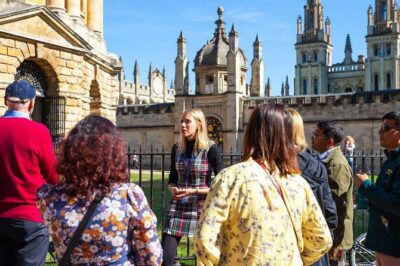
Oxford University Walking Tour With University Alumni Guide
Read our review →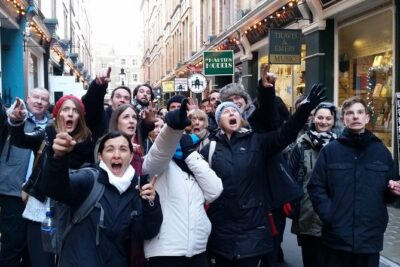
Tour for Muggles The Ultimate Harry Potter Walking Tour in London
Read our review →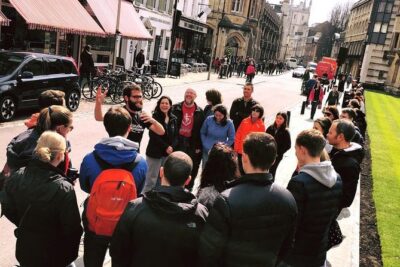
Cambridge University Walking Tour by Alumni™ Kings College Option
Read our review →
Blackbeard to Banksy – The Ultimate Walking Tour of Bristol
Read our review →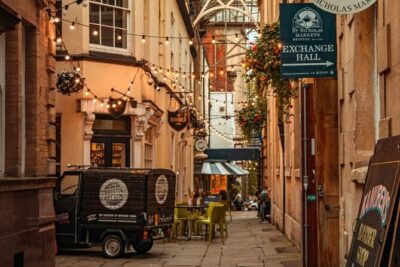
Air Raid Shelter + St. Nicholas Market Walking Tour
Read our review →
Walking Tour of Bath with Blue Badge Tourist Guide
Read our review →
Changing of the Guard Guided Walking Tour in London
Read our review →
Shadows of York: Ghost Walk and Horrible History.
Read our review →Browse the lists this tour appears in