
Reviewed · CITY TOURS
Ancient Hidden Gems in the City of London
London hides history in plain sight. This 2-hour City of London walk connects Roman remains, WWII-era discoveries, and a 900-year church, with a guide who explains the why behind what you see. I love how efficiently it stacks contrasts, from St Alphage’s ancient remains to Sir Christopher Wren’s tower, and you’ll like the way the stops feel curated by street-level stories rather than museum walls.
One caution: the pace is fairly brisk, with several stops around five minutes each, so if you want long photo sessions or extra time inside every space, you might feel a little rushed.
In This Review
- Key things to know before you go
- Two Hours, One Stretch of the City of London
- Route at a Glance: Where You Start, Where You Finish, and How It Feels
- St Alphage London Wall: Medieval Church Remains Plus Roman Wall
- St Alban Wood Street Church Tower: Wren’s Work Beside Modern Icons
- Noble Street Roman Ruins: How WWII Revealed What Was Lost
- Postman’s Park and the Watts Memorial: Quiet Meaning in a Busy City
- Old Bailey via Christchurch Shell: A Garden With WWII Echoes
- Smithfield Market: A 1,000-Year Meat Market That Influenced Britain
- St Bartholomew the Great: The 900-Year Church Outside and Inside
- Storytelling That Keeps You Engaged Without Feeling Like a Lecture
- Price and Value: What $27.46 Buys You in Real Terms
- Who This Walk Suits Best
- Should You Book This City of London Walk?
- FAQ
- How long is the tour?
- What does the tour cost?
- Is the tour in English?
- Do I need to buy tickets for the individual stops?
- Is it accessible for wheelchairs or strollers?
- What is the meeting point and end point?
Key things to know before you go
- Roman wall remnants in a working church setting you can actually look at up close
- WWII damage that uncovered Roman ruins and older city layers
- A direct contrast between Wren and modern architecture nearby
- Free entry at every stop, including a real visit inside St Bartholomew the Great
- Small group size (max 25) that keeps the walk lively and questions easy
Two Hours, One Stretch of the City of London

The City of London can feel like a different planet from the rest of London. Here, the streets are tighter, the buildings rise fast, and the past keeps showing up in odd places, like it never fully left. This walk is built for that feeling. You start in the business district, then the route quietly shifts into places where Romans, medieval builders, and wartime London all left marks.
The best part for me is the structure. You get a sequence of stops that don’t repeat the usual highlights, but still stay within an easy, walkable radius. And because each stop is explained with specific focus, you’re not just “looking at buildings.” You’re learning how layers of London ended up stacked in the same few blocks.
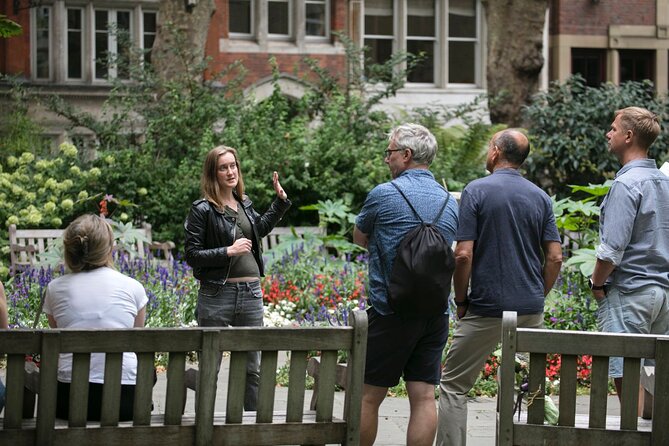
It also helps that the tone stays friendly and story-driven. The guide, Vivienne (often called Viv), is praised for keeping people engaged, and that matches the feel of the tour. You’re encouraged to ask questions, and the explanations land in plain language.
More City Tours in London
- City Sightseeing London Hop-On Hop-Off Bus Tour & Bookable Extras
★ 4.0 · 1,224 reviews - Private Windsor Castle, Stonehenge, The City of Bath Day Tour
★ 5.0 · 468 reviews - Heathrow London Airport Transfer to City center
★ 5.0 · 213 reviews
Route at a Glance: Where You Start, Where You Finish, and How It Feels
The meeting point is 101 Moorgate, London EC2Y 9AA, and the walk ends at St Bartholomew the Great, W Smithfield, Barbican, London EC1A 9DS. Start time is 11:00 am, and the whole experience runs about 2 hours.
What makes this routing smart is where it dumps you at the end. St Bartholomew the Great sits right in Smithfield, near a classic cluster of city sights. So you’re not stuck back at the start, and you can tack on lunch or a follow-on walk without planning your entire afternoon from scratch.
You’ll also appreciate the practical setup. You get a mobile ticket, you’ll have confirmation at booking, and the tour is in English. Service animals are allowed, and the route is near public transportation. On the ground, it’s also wheelchair and stroller accessible, which matters a lot in London, where “accessible” sometimes means “accessible if you ignore half the city.”
Finally, there’s a simple reason this works well: the group stays small, up to 25 people. In a route like this, fewer people makes it easier for the guide to keep attention and keep the walk moving.
St Alphage London Wall: Medieval Church Remains Plus Roman Wall
You begin at St Alphage London Wall, where you’ll see a mix that’s easy to miss unless someone points it out. This is one of those places where you can look at what’s left of a medieval church and also catch sight of part of the ancient London Wall originally built by the Romans.
The value here is the “two time periods in one glance” effect. The Roman wall isn’t something you usually stumble on in everyday sightseeing. Here, it’s integrated into the setting, so it feels less like a separate attraction and more like a real part of the neighborhood you’re walking through.
What to pay attention to: don’t rush past the idea that you’re looking at different eras in the same spot. Your guide will help connect the dots, and you’ll start to notice how London’s defenses and communities were shaped by geography and time.
Time-wise, this stop is quick, around 5 minutes, so think of it as a warm-up that sets the tone for the rest of the walk.
St Alban Wood Street Church Tower: Wren’s Work Beside Modern Icons
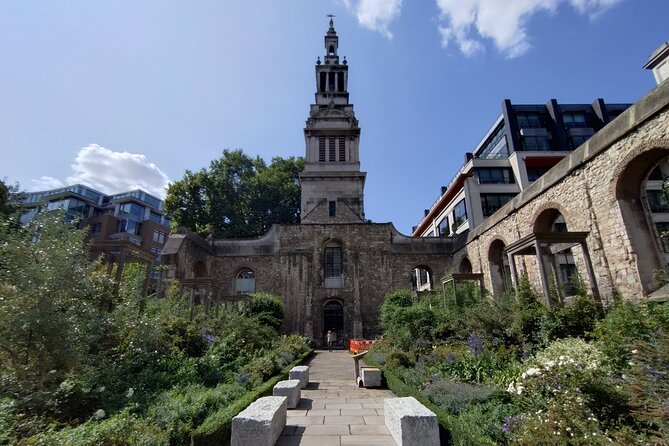
Next up is St Alban Wood Street Church Tower. This is a great spot for architectural contrast, because you’re looking at something older and purposeful, while modern buildings rise around it.
The star detail is the tower built by Sir Christopher Wren, which still survives while the surrounding area reflects later architectural power. The guide also frames the contrast with major modern names like Norman Foster, Lord Rogers, and Terry Farrell. That context makes the scene more than a quick “old church tower.” You start seeing how London’s identity evolved into a skyline of ambition.
What you’ll enjoy most here is how the tour teaches you to look sideways. Instead of staring only at the historic structure, you learn to compare it to what’s grown up around it. That habit transfers well, so after the walk you’ll notice these contrasts on your own.
Again, the visit is brief at about 5 minutes, but it sets up the pattern of the whole experience: quick stops, strong storytelling, and just enough time at each location to remember what you’re seeing.
A few more London days worth comparing
- Stonehenge, Windsor Castle, and Bath from London
★ 4.5 · 18,662 reviews - London Big Bus Hop-On Hop-Off Tour with Optional River Cruise
★ 3.5 · 10,803 reviews - London Small Group Tour of Historical Pubs
★ 5.0 · 10,422 reviews - Stonehenge, Windsor Castle and Bath with Pub Lunch in Lacock
★ 4.5 · 7,402 reviews
Noble Street Roman Ruins: How WWII Revealed What Was Lost
At Noble Street, the story shifts into wartime archaeology. Roman ruins were discovered after bombing devastated the area during World War II. That detail matters because it shows London’s past not as a “finished chapter,” but as something that keeps resurfacing when the city changes.
This is one of the most emotionally grounded parts of the route. You’re not just learning Roman history in a textbook way. You’re seeing how catastrophe can uncover buried layers, and how London rebuilt itself on top of what remained.
The practical tip here is simple: take a moment to slow down and let the explanation land. Because the stop is short, around 5 minutes, you’ll get more out of it if you stay present for the key points the guide shares.
For history-minded visitors, this is the kind of stop that makes you look at streets differently for the rest of the day. For everyone else, it’s still fascinating, because the “how did we find this” angle is easy to grasp.
Postman’s Park and the Watts Memorial: Quiet Meaning in a Busy City
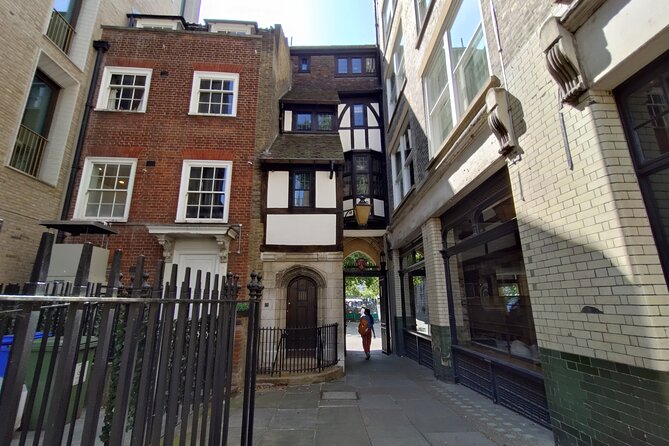
Then the walk takes a calmer turn at Postman’s Park. You’ll spend time here viewing the Watts memorial dedicated to people who gave their lives for others, and you’ll also get the history of the park.
This stop is valuable because it breaks the pattern of walls, towers, and architecture. It’s still City of London history, but it’s human history. The memorial adds weight to the walk, so the earlier time periods feel connected to real stories of compassion and sacrifice.
If you like moments of stillness during a sightseeing day, you’ll appreciate the extra time here compared with the other stops. It’s one of the best spots on the route to take a breath, read what you can, and let the guide’s framing do its job.
Old Bailey via Christchurch Shell: A Garden With WWII Echoes
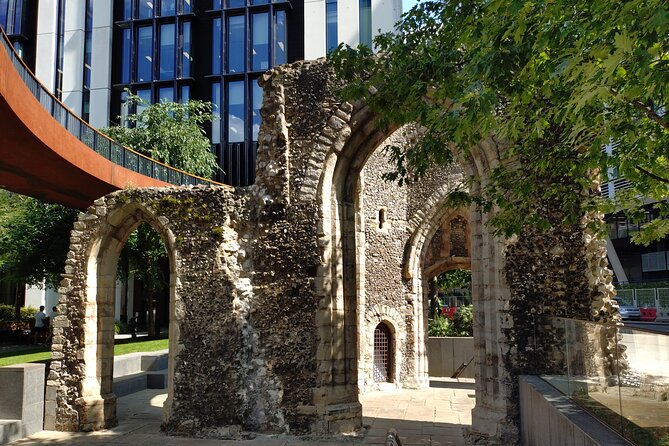
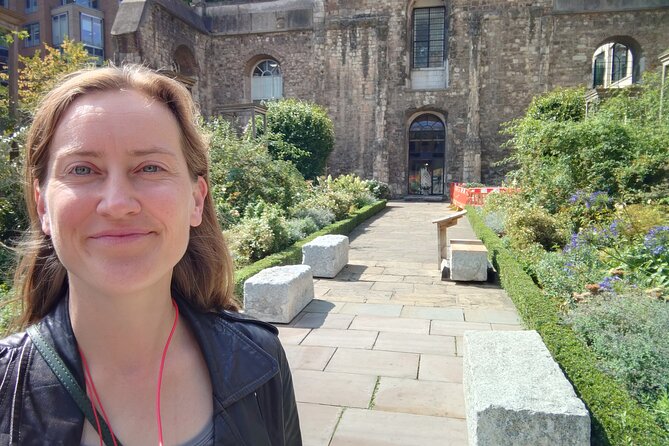
At Old Bailey, you’ll visit the garden within the shell of Christchurch, another location affected by WWII devastation. The idea is powerful: a damaged structure becomes a different kind of space, and the past remains visible enough that you can feel the outline of what used to be there.
This stop pairs well with the Noble Street story, because it continues the theme of what wartime damage did to the city’s physical record. Here, instead of uncovering Roman remains, the focus is on what the bombing left behind and how London holds onto those shapes.
Time is still tight, around 5 minutes, but you’ll leave with a clearer sense of the Old Bailey area as more than a legal landmark. It becomes part of the city’s broader survival story.
Smithfield Market: A 1,000-Year Meat Market That Influenced Britain
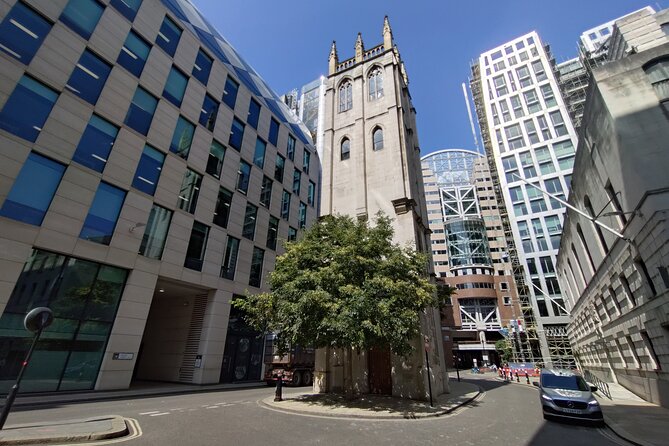
Next comes Smithfield Market, and the explanation centers on its 1,000-year presence as a meat market, plus how events tied to this place helped shape British history.
Even if you know nothing about Smithfield, this stop can still work because the guide’s approach links the market’s long life to the way power, commerce, and public life evolved in the City. You’re standing in a part of London that has had a job for a very long time, and you can feel how that would shape the surrounding streets.
The visit is about 5 minutes, so don’t expect this to be a deep dive. Instead, treat it like a quick anchor point, a place where “old London” feels practical, not decorative. Markets were where people saw the city’s priorities every day.
St Bartholomew the Great: The 900-Year Church Outside and Inside
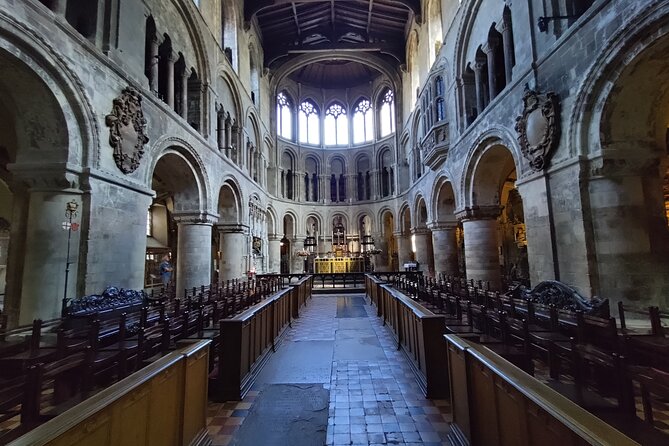
The final stop is Church of St Bartholomew the Great. You’ll first hear about what’s remarkable about the church outside, including its age, and then you’ll go inside for a visit. This is the longest stop on the walk, around 20 minutes, which tells you the tour wants you to actually experience the space, not just stand around it.
The key detail you’ll take away is the church’s 900-year legacy. But the inside visit is what makes it memorable. It’s one thing to learn the number. It’s another to see how that building still functions as a place people can enter.
Practical tip: wear comfortable shoes. The tour is short overall, but church interiors often involve uneven thresholds, steps, or tight walking paths. If you’re pushing a stroller or using a wheelchair, the accessibility-friendly nature of the tour helps, but you’ll still want to move calmly and follow the guide’s lead.
Storytelling That Keeps You Engaged Without Feeling Like a Lecture
The walk stays on track because the guide’s job is more than “point and go.” Vivienne (Viv) is specifically praised for storytelling, and that shows in the way the tour connects details to bigger themes like Roman defenses, the rebuilding after WWII, and how London kept layering new architecture over older foundations.
What I think makes this work is the balance between quick facts and emotional context. At Noble Street, you’re not only hearing Roman history. You’re hearing why those ruins came to light. At Postman’s Park, it’s not only architecture, it’s memory. At St Bartholomew the Great, it’s time made physical.
The result is a walk that feels like it has momentum. Even when you’re only stopping for 5 minutes, you leave each location with a clear “so what.” And if you ask questions, the guide’s experience and willingness to answer comes through in a way that makes the tour feel welcoming.
Also, since the group is limited to 25, you’re more likely to hear your own question answered without getting lost in the shuffle.
Price and Value: What $27.46 Buys You in Real Terms
The price is $27.46 per person, for about 2 hours of guided walking in a high-impact area of London.
At first glance, it’s a simple sightseeing cost. The real value shows up in three ways.
First, your “included time” is efficient. You cover several major historical touchpoints without spending half the day figuring out transportation or deciding where to go next.
Second, the stops themselves are free to enter or view, including the chance to go inside St Bartholomew the Great. That matters because it keeps the day from turning into a pile of separate admission fees and lineups.
Third, you’re paying for interpretation. Roman wall remnants, Wren’s tower, WWII-discovered ruins, and memorials all make more sense when someone explains the connections. This tour is set up so you don’t have to be a specialist to understand what you’re seeing.
One small practical consideration: because several stops are brief, you’ll want to be ready to move when the group moves. If you prefer slow, lingering sightseeing, you might want to add extra time after the tour on your own at the places that stuck with you.
Who This Walk Suits Best
This experience is ideal if you:
- Enjoy London history and like understanding why places look the way they do
- Want a route that feels different from the biggest “must-see” circuit
- Like guides who tell stories and keep the pace engaging
- Travel with a stroller or mobility needs, thanks to wheelchair and stroller accessible routing
It’s also a good option for locals. Even after years in London, you can still pass historic spaces without realizing what they connect to. The way this route links Romans, Wren, and WWII effects is the kind of perspective that changes how you see your own city.
If you’re the type who wants one stop to last a long time, you may prefer a slower format or plan to follow up after the tour at St Bartholomew the Great or Postman’s Park for extra reading time.
Should You Book This City of London Walk?
I’d recommend booking this walk if you want high story density in a short time. You get Roman remains, Wren’s work, WWII echoes, a memorial moment, and then a satisfying church visit inside St Bartholomew the Great. And you’re not paying separate admissions at the stops, which keeps the value straightforward.
It’s also the kind of tour that works whether you’re a history lover or just curious. The guide’s storytelling approach helps you keep your attention, even during the quicker stops.
If your ideal day is slow and unhurried, it might feel a bit fast. But if you can handle a brisk pace for the payoff, this is a strong use of a 2-hour window in London.
FAQ
How long is the tour?
It runs for about 2 hours.
What does the tour cost?
The price is $27.46 per person.
Is the tour in English?
Yes, the tour is offered in English.
Do I need to buy tickets for the individual stops?
The stops listed are free for admission, including the visit inside St Bartholomew the Great.
Is it accessible for wheelchairs or strollers?
Yes. The tour is wheelchair and stroller accessible, and it is near public transportation.
What is the meeting point and end point?
You start at 101 Moorgate, London EC2Y 9AA, and you finish at St Bartholomew the Great, W Smithfield, Barbican, London EC1A 9DS.
Recently added around London
- Stonehenge Private Tour★ 5.0 · 4 reviews
- Private Transfers From Heathrow Airport to Central London★ 5.0 · 8 reviews
- Professional Private Couple Photoshoot★ 5.0 · 35 reviews
- Private transfer to Southampton with a stop at Stonehenge★ 4.5 · 33 reviews
- Private transfer from London Heathrow Airport to Southampton★ 5.0 · 3 reviews
- Private London Panoramic Tour by Car with Pick Up From Your Hotel★ 5.0 · 13 reviews
- Private Transfer Any London Hotel to Southampton Cruise Port★ 5.0 · 7 reviews
- Private driver tours to Leeds Castle, Canterbury, White Cliffs★ 4.5 · 30 reviews
City Tours, compared.
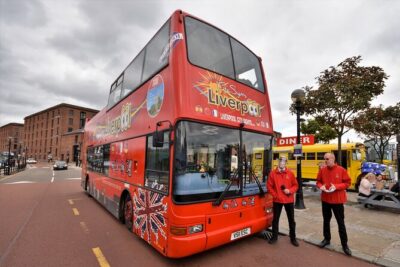
Liverpool City Sights Hop On Hop Off City Tour – 24hr Ticket
Read our review →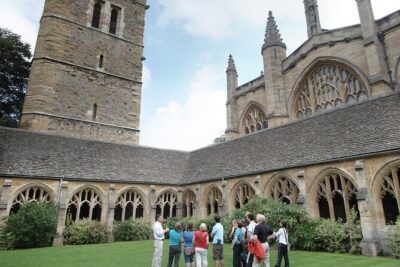
1.5-hour Oxford City and University Walking Tour
Read our review →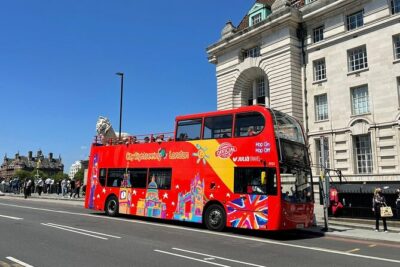
City Sightseeing London Hop-On Hop-Off Bus Tour & Bookable Extras
Read our review →

City Sightseeing Oxford Hop-On Hop-Off Bus Tour
Read our review →

Browse the lists this tour appears in