

Reviewed · HISTORICAL TOURS
Ilfracombe Seafront History Walking Guided Tour
Ilfracombe gets spooky fast. This 90-minute seafront history walk is an easy route through Ilfracombe’s past, where big names of buildings and working port life tell the story street by street. I especially like the guide’s storytelling pace, and I also love that you actually see the places they talk about, from the old luxury hotel site to St Nicholas Chapel.
One thing to plan for: this tour needs good weather, since you’re outdoors along the promenade and harbour for about 1 hour 30 minutes.
In This Review
- Key Highlights Worth Your Time
- A 90-Minute Shortcut Through Ilfracombe by the Sea
- Starting at the Landmark Theatre, Then Reading Victorian Ilfracombe
- The Ilfracombe Harbour Story: From 12th-Century Port to Safe Refuge
- St Nicholas Chapel: The Only Beacon Chapel and Lighthouse Connection
- Haunted History, With Local Tone and Real-World Anchors
- How to Time Your Visit: A 2:00 pm Walk That Works
- What You Actually See at Each Stop (And Why It Matters)
- Comfort, Access, and Practical Tips Before You Go
- Who Should Book This Ilfracombe Walking Tour
- Should You Book This Ilfracombe Seafront History Walk?
- FAQ
- How long is the Ilfracombe seafront history walking tour?
- Where does the tour start and where does it end?
- What time does the tour begin?
- Is the tour offered in English?
- What is the group size limit?
- Do I need to pay admission for the stops?
- Is the tour outdoors?
- Can I bring a service animal or a dog?
- What happens if I need to cancel?
Key Highlights Worth Your Time
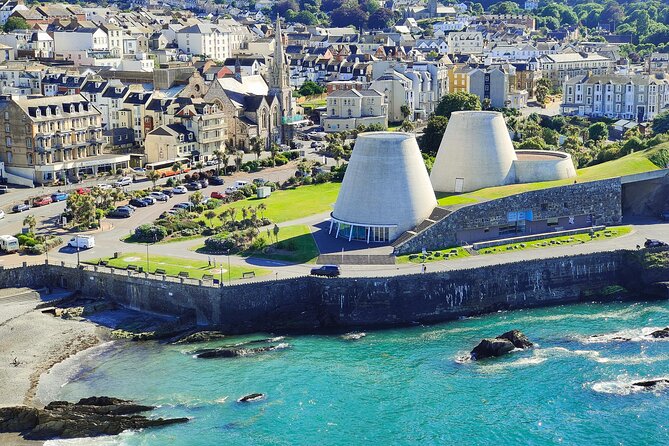
- A tight 90-minute route that helps you orient fast and then understand what you’re looking at
- Stop-and-explain guidance from guide Mark, with old photos and practical context
- St Nicholas Chapel’s living lighthouse connection, including the fact the light remains on for shipping
- A harbour story that goes back to the 12th century, tied to the sea’s need for safe refuge
- Haunted legends with local grounding, including references to notorious pubs and maritime superstition
A 90-Minute Shortcut Through Ilfracombe by the Sea
Ilfracombe can feel like it grew in layers, because it did. You’ll see that quickly on this guided walk, which moves at a relaxed pace but still covers a lot. In just 1 hour 30 minutes, you go from Victorian seaside tourism to working port history, and then to a chapel that’s still tied to navigation.
The biggest value here is how the guide connects dots. You’re not just given facts, you’re given a way to read the town. When you stand near the harbour, you understand why ships cared about this natural layout. When you look toward the chapel, you understand why a place of worship would also function as a beacon. When you move past seafront buildings, you see how seaside fashion and money shaped the skyline.
I also like the group size. With a maximum of 15 people, you get a more conversational feel, not a cattle-line performance. That matters for ghost stories too, because the best ones come with tone, timing, and a guide who can answer your questions without rushing you off.
More walking tours in Devon:
- The Fawlty Tours walking experience
★ 5.0 · 42 reviews - Walking Tour of Exmouth in East Devon
★ 5.0 · 12 reviews - Oxford University Walking Tour With University Alumni Guide
★ 5.0 · 6,905 reviews
Starting at the Landmark Theatre, Then Reading Victorian Ilfracombe
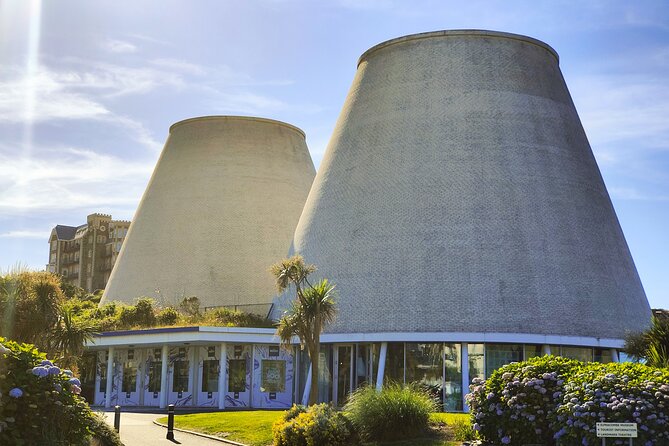
You meet at the Landmark Theatre on The Promenade, Ilfracombe, and the walk starts with an obvious landmark. From there, the first stop is the story tied to the Ilfracombe Hotel, built during the town’s Victorian tourist heyday.
This is where the tour gives you a real sense of how Ilfracombe once marketed itself. The Ilfracombe Hotel opened on May 15, 1867, and the building sat right on a prime sea-facing site overlooking Capstone Hill and Wildersmouth beach. You can almost picture the period appeal: this was the era when people booked seaside breaks for status and recovery, not just for a quick weekend.
Here’s what I like about this opening: it sets expectations for the whole walk. Ilfracombe isn’t a single-era town. It’s a resort town that repeatedly reinvented itself, whether you’re talking about seaside luxury, maritime working life, or the legends that grow when people have lived with the sea for centuries.
The guide also threads in hotel identity changes and local haunt associations:
- The building was known as the Alexandra Hotel in the 1880s
- In the 1970s, a couple named Blackmore owned or managed the hotel
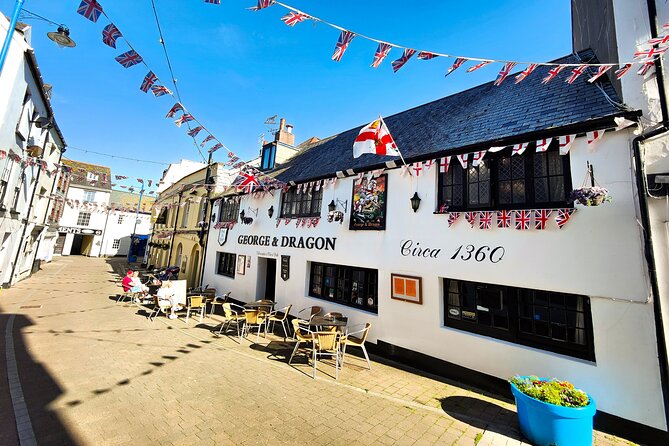
- It ties into a broader theme of some of the town’s pubs being notoriously haunted
If you’re sensitive to heavy ghost talk, keep in mind the tour is also built around real places and real maritime use. The spooky side is part of the entertainment, but the route itself stays grounded.
Possible drawback to consider: if you’re hoping for a deep architectural tour with lots of detailed exterior measurements, you might find this stop more story-led than technical. The tradeoff is you get momentum and context.
The Ilfracombe Harbour Story: From 12th-Century Port to Safe Refuge
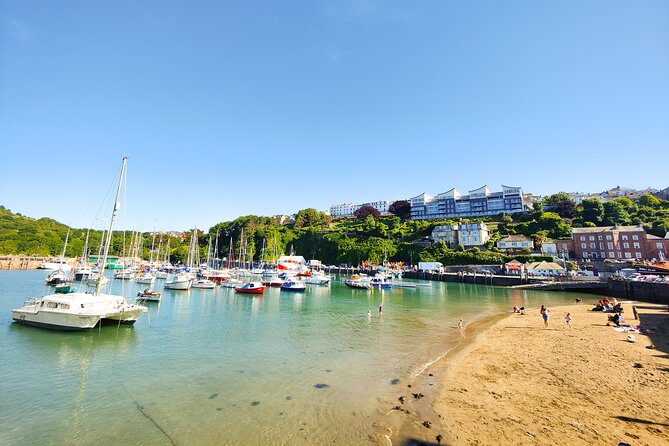
Next you head to Ilfracombe Harbour, and this is one of the most satisfying sections if you like your history tied to what people actually needed. The tour explains that Ilfracombe has had a port since the 12th century, with settlement even earlier. That’s a long time for a town to keep learning how to survive weather, tides, and the risks of the Bristol Channel.
What makes this stop click is the way the harbour’s shape matters. Because of the natural layout, Ilfracombe became a significant safe port, described as a registered port of refuge on the Bristol Channel. That phrase sounds official, but you’ll feel what it means right away. This is the point where the sea stops being scenic and starts being practical.
You’ll also get a sense of why the town’s maritime identity mattered to daily life. When you know a port’s job is to shelter ships, you see why buildings and services cluster where they do. Even without getting lost in dates, you come away understanding the town’s logic.
There’s a small time commitment here, about 15 minutes, so the guide doesn’t try to turn it into a textbook. Instead, you get the right highlights, plus a few story ingredients that make the harbour feel alive.
A note for your comfort: the harbour area can be breezy. If you’re taking the 2:00 pm start time, bring a layer, even on decent days.
St Nicholas Chapel: The Only Beacon Chapel and Lighthouse Connection
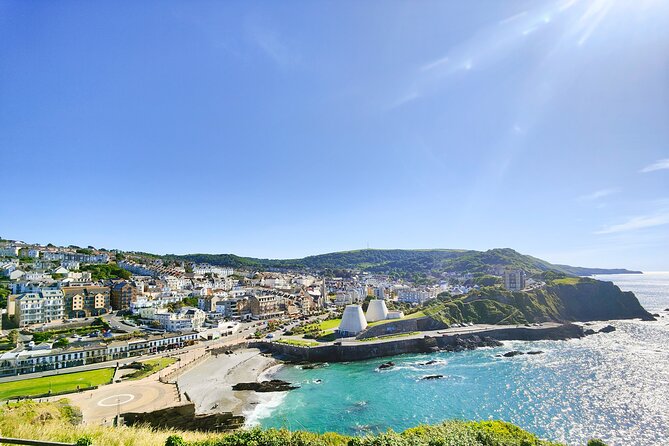
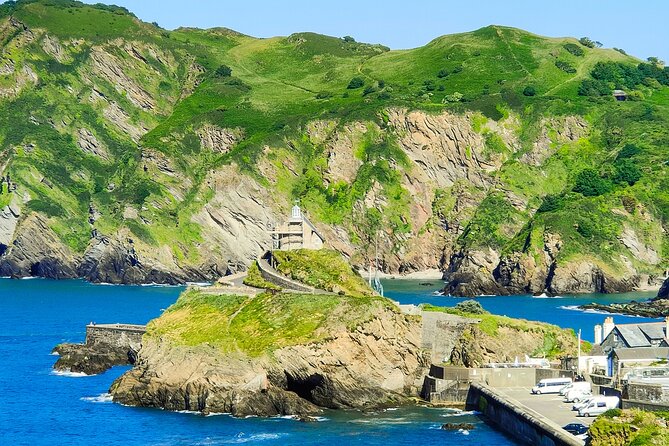
St Nicholas Chapel is the kind of stop that makes you look up, even if you think you’re already paying attention. It’s a seamen’s chapel dating from the 14th century, built for the people of Ilfracombe who lived and worked around the harbour.
The tour’s key takeaway here is what makes this chapel special: it’s described as the only surviving beacon chapel and lighthouse. That’s not just a quirky fact. It tells you how seriously communities treated the problem of safe navigation.
You’ll hear that the chapel was used as a lighthouse around the time of Henry VIII, and that the light remains on guiding shipping into the harbour even today. Standing in that spot, you can connect worship, work, and survival in one place.
Also, St Nicholas Chapel gives you a change of pace after the harbour. The harbour is all about movement and shelter. The chapel is about devotion and guidance. That shift is part of why the route feels complete. It doesn’t just tell you what happened. It shows you what people built to cope with it.
A possible consideration: St Nicholas Chapel is a short visit (about 5 minutes listed on the route). If you want to linger for photos or do your own reading at length, plan to arrive with a little patience. The tour is designed as a fast, guided orientation. You can always extend your visit after the walk finishes.
More history tours in Devon:
- London Small Group Tour of Historical Pubs
★ 5.0 · 10,422 reviews - Soho Music & Historic Pubs Tour
★ 5.0 · 1,993 reviews - Shadows of York: Ghost Walk and Horrible History.
★ 5.0 · 1,403 reviews - Private Historical Walking Tour of York
★ 5.0 · 1,324 reviews
Haunted History, With Local Tone and Real-World Anchors
The haunted angle is what draws many people in, and it’s handled in a way that doesn’t feel like pure gimmick. The guide weaves in unusual tales that you might not pick up alone, but the stories are anchored to places with function. That makes the legends feel like part of how the town explains itself, not just spooky entertainment for its own sake.
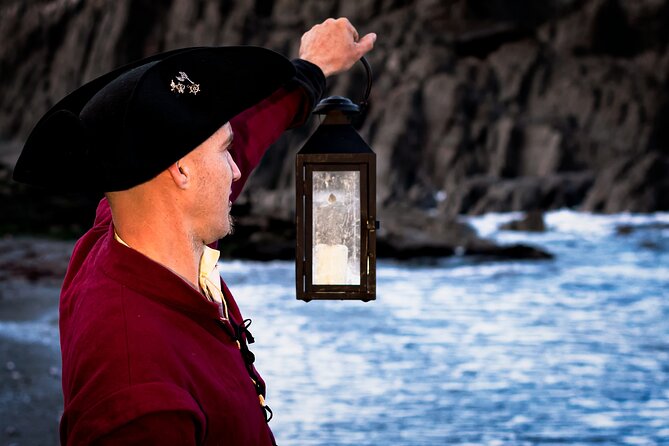
A guide named Mark runs the tour, and he has a talent for making the stories land without turning the walk into a spooky theme park. He brings old photos into the mix, and those images help you picture the same streets in earlier eras. That visual context matters, because it keeps the ghost stories from floating off into fantasy.
Even when the tour includes mystery and intrigue, you still end up with a stronger grasp of how Ilfracombe changed over time. One of the themes you’ll come away with is that the town has evolved through many eras, from early hill fort origins to medieval port growth, and later Victorian seaside tourism. You’ll also hear how the town was shaped by wars, including a role tied to early WW1.
That’s the sweet spot for a good history walk. You get chills, but you also leave with a clearer mental map and a few facts that stick.
How to Time Your Visit: A 2:00 pm Walk That Works
The tour starts at 2:00 pm at the Landmark Theatre. That’s a nice time slot for combining it with other plans. You’re not stuck with an early morning start, but you also get daylight for harbour views and seafront scenery.
Because the route is about 1 hour 30 minutes, it fits well if you want:
- A first afternoon activity to understand the town
- A lighter option after a busy morning of beach time
- A focused walk that doesn’t steal your whole day
It also helps that the tour is offered in English, so you don’t have to hunt for translated storytelling on the fly. The day-of pace tends to feel relaxed, especially with a max group size of 15.
If you’re pairing this with other sights, give yourself buffer time near the end. The tour finishes at St Nicholas Chapel or near the harbour pier by the verity. That flexibility is handy, but it does mean your exact pickup feel at the end can vary by guide flow and the group’s progress.
What You Actually See at Each Stop (And Why It Matters)
Here’s the practical read on the itinerary structure, in plain terms.
Stop 1: Landmark Theatre to the Ilfracombe Hotel site (Alexandra Hotel story)
You get Victorian tourism context and how the seafront economy shaped the buildings. The story includes specific identity changes like the Alexandra Hotel name in the 1880s and the Blackmore connection in the 1970s. It’s also where the haunted thread gets its local grounding, including links to one of the town’s haunted pubs.
Why it matters to you: it tells you why these big buildings exist right on the sea. Ilfracombe didn’t grow randomly, it grew to sell a seaside dream, then had to adapt as times changed.
Stop 2: Ilfracombe Harbour
You get the long timeline: port since the 12th century, settlement earlier, and the harbour’s role as a safe port of refuge on the Bristol Channel. This stop explains the town’s relationship with the sea as infrastructure, not backdrop.
Why it matters to you: you’ll look at the harbour differently after hearing this. You understand the logic of safety and shelter.
Stop 3: St Nicholas Chapel
You get the 14th-century seamen’s chapel story, plus the lighthouse connection that’s still active. The chapel is described as the only surviving beacon chapel and lighthouse, built for people working around the harbour.
Why it matters to you: it’s a rare example of a single site doing multiple jobs, worship and guidance.
Comfort, Access, and Practical Tips Before You Go
This tour is designed for most people to participate. It’s also described as a good match if you’re traveling with service animals, and friendly dogs on leads are welcome.
It’s near public transportation, which helps if you don’t want to worry about parking. And because it uses a mobile ticket, you won’t need to carry paper proof.
If you’re going in coastal weather, think layers. Even if the morning is calm, the harbour and promenade can feel cooler once the breeze picks up. Comfortable walking shoes also matter, since you’re on outdoor paths for the full length of the tour.
Finally, keep your phone handy for reference photos after. The guide’s use of old images is a big part of the fun, and it’s easy to want to compare then and now.
Who Should Book This Ilfracombe Walking Tour
You’ll probably love this tour if you:
- Want an easy first-time orientation to Ilfracombe
- Like maritime history tied to real places you can still see
- Enjoy ghost stories, but want them grounded in location and context
- Prefer small groups with a chatty, story-forward guide approach
It’s also a strong pick if you’re short on time. You get a lot of meaning out of a relatively brief walk.
If your travel style is very DIY and you love reading every plaque yourself, you might feel this is a “guide speedrun” version of history. But most people find that having a storyteller saves them time and helps them notice what matters.
Should You Book This Ilfracombe Seafront History Walk?
If you’re spending time in Ilfracombe, I think this is a smart booking. It’s short, it’s well paced, and it gives you a framework to understand what you’re seeing, especially around the harbour and St Nicholas Chapel. The top strength is the way the guide ties together Victorian seaside life, working port realities, and the town’s haunted legends without losing the thread of real history.
Book it if you want a guided shortcut and you enjoy mystery with place-based storytelling. Skip it if you need a long, slow, museum-style experience or if you’re planning to travel in weather that might be questionable.
FAQ
How long is the Ilfracombe seafront history walking tour?
It runs for about 1 hour 30 minutes.
Where does the tour start and where does it end?
It starts at the Landmark Theatre, The Promenade, Ilfracombe EX34 9BZ, UK. It ends at St Nicholas Chapel, The Quay, Ilfracombe EX34 9EQ, UK, or possibly at the harbour pier near to Verity.
What time does the tour begin?
The start time listed is 2:00 pm.
Is the tour offered in English?
Yes, it is offered in English.
What is the group size limit?
The tour has a maximum of 15 travelers.
Do I need to pay admission for the stops?
The stop details list ticket free admission for the Landmark Theatre area, the harbour, and St Nicholas Chapel.
Is the tour outdoors?
Yes. It takes place along the seafront and harbour area, and it requires good weather.
Can I bring a service animal or a dog?
Service animals are allowed. Friendly dogs on leads are welcome.
What happens if I need to cancel?
Free cancellation is available up to 24 hours in advance for a full refund. If the experience is canceled due to poor weather, you are offered a different date or a full refund.
Recently added around Devon
- Wooden Duck Painting or Pottery Painting-Take item home same day★ 5.0 · 44 reviews
- Wine Tasting Experience in Torquay★ 5.0 · 5 reviews
- Walking Tour of Exmouth in East Devon★ 5.0 · 12 reviews
- Gliding Experience in Devon★ 5.0 · 4 reviews
- Sea Kayak Taster Tour 90 Minutes for 4 People★ 5.0 · 3 reviews
- Doc Martin, Fishermans Friends & North Cornwall★ 5.0 · 9 reviews
- Jurassic Coast Rib Tour – Exmouth★ 5.0 · 7 reviews
- North Devon: SkyTrail High Ropes Course★ 5.0 · 9 reviews
Historical Tours, compared.

Shadows of York: Ghost Walk and Horrible History.
Read our review →
A Walk Through Time: History of Liverpool Walking Tour
Read our review →
Royal Historic Pubs Walking Guided Tour in London
Read our review →
Private Group: Historical Pub Walking Tour of London
Read our review →
Best Of Liverpool Heritage, History & Culture Guided Walking Tour
Read our review →Browse the lists this tour appears in