
Reviewed · LIVERPOOL TOURS
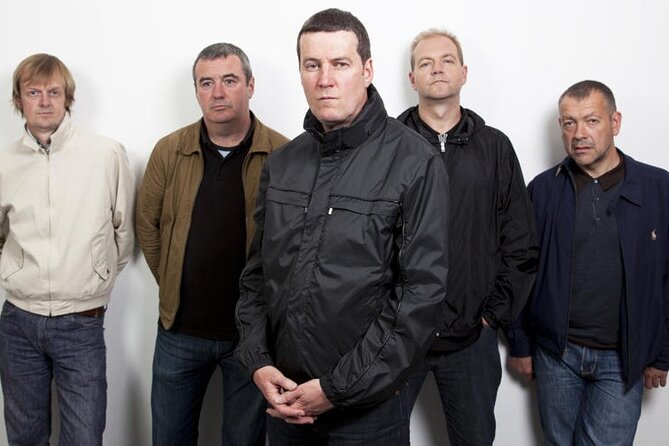
Liverpool Music Icons Tour led by a member of 90s band The Farm
If you like music stories with real street details, this works. The Liverpool Music Icons Tour takes you through places tied to the city’s bands, from rehearsals to night-life corners, led by a member of 90s band The Farm. You start at LIPA, then finish with a friendly chat in an iconic pub.
I love how personal it feels, especially the guide’s band-world perspective and on-the-ground anecdotes. I also love the hands-on payoff at the end, with a complimentary drink and time to ask questions, grab photos, and get memorabilia.
The main thing to consider is the walking. It’s an easy, slow-paced route, but you should still wear comfy shoes if you want to enjoy every stop without rushing.
In This Review
- Key things to know before you go
- Why this Liverpool music tour feels different (LIPA to Mathew Street)
- The guide matters: The Farm insider perspective and lively Q&A
- First stop: LIPA and Paul McCartney’s school building
- Stop 1 in central Liverpool: studios, rehearsal rooms, and the places off the tour map
- What you’ll see along the way
- The “Brian” story thread
- A possible drawback for Stop 1
- Probe Records, studios, and superclub lore: why those details are worth it
- Stop 2 at Mathew Street: the free drink, the chat, and the memorabilia moment
- How much time and effort should you plan?
- Price and value: is $82.68 worth it?
- Who this tour is best for (and who might want something else)
- Tips to make your Liverpool music icon tour smoother
- Should you book this Liverpool Music Icons Tour?
Key things to know before you go
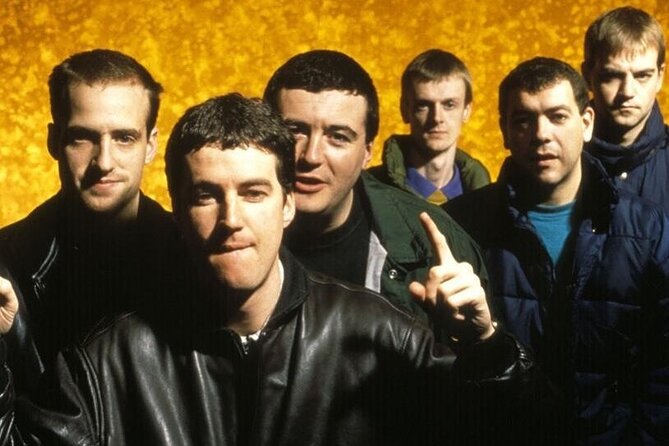
- The Farm connection: often led by The Farm’s Peter Hooton, with firsthand stories from Liverpool’s music scene.
- Start at LIPA, tied to Paul McCartney: LIPA was founded by Paul McCartney, and you begin in the building where he went to school.
- Off-the-main-trail stops: you’ll see rehearsal rooms, studios, pubs, and gig venues not usually on the usual tourist circuit.
- A “real conversation” ending: you finish at Mathew Street with a chat and a complimentary drink at an iconic pub.
- Small group size: maximum 12 travelers, which keeps the talk focused and the Q and A actually useful.
Why this Liverpool music tour feels different (LIPA to Mathew Street)
Liverpool has plenty of music tours that focus on the easy stuff. This one is built around the places where bands actually worked and gathered, then it tops it off with a proper chat after the walk. You get a guided, easy pace that makes it feel more like spending time with a sharp local than doing a rushed checklist.
The location choices matter. You start at LIPA, which is more than a school for performers. It’s tied to Paul McCartney, and you begin in the building where he went to school. That gives the tour an authentic anchor before it moves into the city’s wider music ecosystem.
And then there’s the ending. You don’t just get dropped off. You finish at Mathew Street with a complimentary drink, time for pictures, questions, and memorabilia. It’s a small, practical detail, but it changes the whole tone of the day.
A few more Liverpool days worth comparing
- Beatles Magical Mystery Tour
★ 5.0 · 9,266 reviews - Liverpool: “Blue Route” – City & Beatles Tour
★ 5.0 · 8,562 reviews - Liverpool City Sights Hop On Hop Off City Tour – 24hr Ticket
★ 4.5 · 2,555 reviews
The guide matters: The Farm insider perspective and lively Q&A
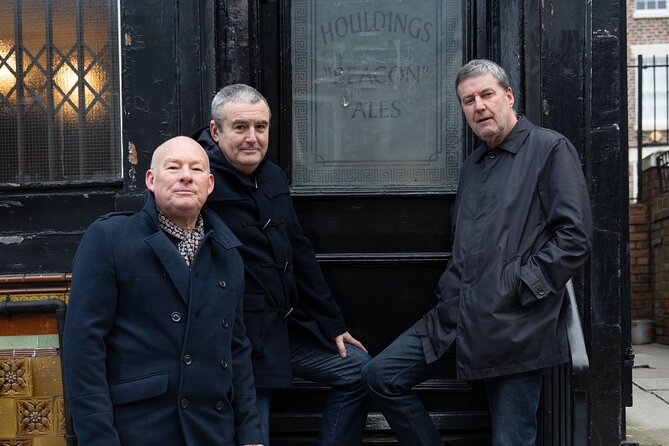
This tour is led by a member of the 90s rock band The Farm. That’s not just a marketing line. It shapes the whole format. You’re listening to someone who lived inside the scene, not just someone who studied it later.
In the same spirit, I like that the route is packed with specific types of places, not generic talking points. Rehearsal rooms, studios, pubs, and hangouts show up on the stops list for a reason. A band-world insider can explain how those spaces shaped sound, friendships, and careers.
You also get a chance to talk one-on-one at the end. The Mathew Street portion is designed for questions, selfies, and even signing, plus a free item of memorabilia. If you’re the kind of visitor who always has one more question after a tour stops, this format helps.
First stop: LIPA and Paul McCartney’s school building
You begin at Liverpool L1 9HF at 11:00 am, at LIPA. This is your opener, and it sets context fast. LIPA was founded by Paul McCartney, and you start in the building where he went to school. That link gives the tour a “music in the city, not just about the city” feel.
Why it works for your trip: it grounds the tour in Liverpool’s ongoing music life, not only its past. Even if you only know a few songs by the bands tied to this story, the vibe here is clear: Liverpool has been producing musicians for decades, and it’s not just a Beatles museum moment.
What to expect: a starting point that’s easy to find and close to the action, then you’ll shift from this connection to the wider network of venues and working spaces.
Stop 1 in central Liverpool: studios, rehearsal rooms, and the places off the tour map
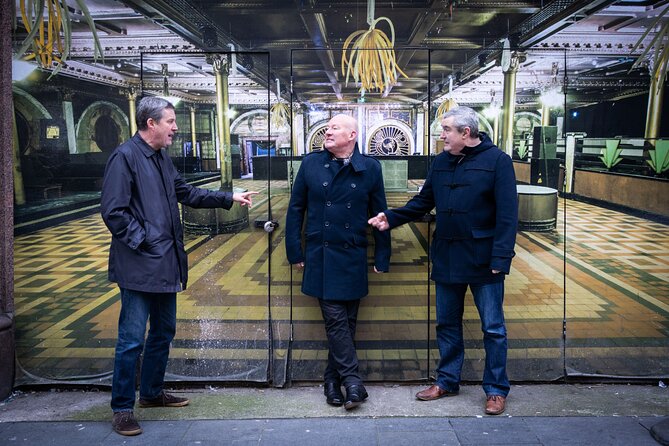
Stop 1 is the big one, about two hours. The walk is easy and slow-paced, and the goal is simple: show you sites that are important, but not always on every visitor itinerary.
You’ll cover central Liverpool with a personally curated route. That word matters. Instead of hopping between only famous landmarks, you get a path that emphasizes how bands lived day to day, from recording setups to rehearsal routines and hangout spots.
Same part of England, a different sort of day out:
- The LFC Stadium Tour
★ 5.0 · 1,548 reviews - The Beatles Story Experience Ticket
★ 4.5 · 1,393 reviews - Liverpool: 50-Minute Mersey River Cruise
★ 4.0 · 1,232 reviews - Private 3-Hour Guided Beatles Classic Tour of Liverpool
★ 5.0 · 1,074 reviews
What you’ll see along the way
Here are the kinds of places built into this stop:
- Gig venues and pubs, plus music hangouts
- Recording studios and the biggest studio complex outside London
- A major dance-music reference point, the first UK superclub that changed the face of dance music in the UK
- Probe Records, described as home of the second wave of Liverpool groups in the 1970s, 1980s, and 1990s
- Ministry Rehearsal Rooms and Crash rehearsal rooms, where many bands rehearsed
The rehearsal rooms stop is a highlight. You’re not just learning names. You’re seeing where artists practiced and refined their sound. The tour specifically connects Crash rehearsal rooms and the Ministry Rehearsal Rooms with bands including Frankie Goes To Hollywood, The Farm, The La’s, Space, Cast, Flock of Seagulls, China Crisis, The Zutons, The Lightning Seeds, The Wombats, and Shack.
Even if you’re not a mega fan of every group named, this is useful. It helps you understand how Liverpool scenes overlapped. Genres shifted, but the system of rehearsal, community, and venues kept producing new acts.
The “Brian” story thread
The route includes a story about being part of a global music phenomenon in the 1980s, tied to Brian’s story. You may find that kind of narrative detail helpful because it turns the walk into something you can remember, not just a list of locations. If you like context, this is the part that tends to stick.
A possible drawback for Stop 1
Stop 1 is where the most walking happens. It’s described as easy pace, but you could still rack up steps. One participant mentioned getting around 10,000 steps in about two-plus hours. So plan for comfortable footwear, and don’t schedule this right after a long travel day.
Probe Records, studios, and superclub lore: why those details are worth it
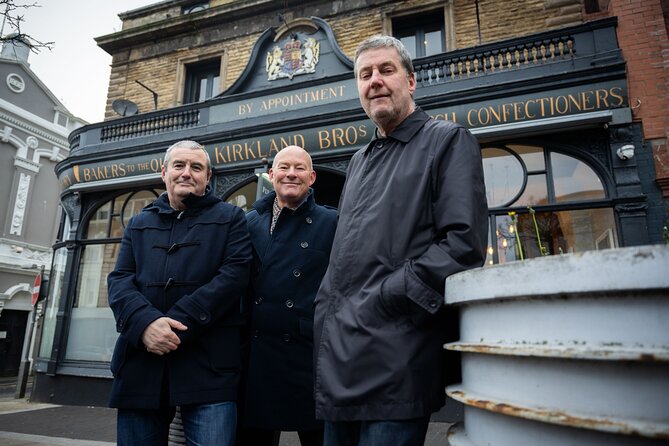
A lot of music tours focus on the headline bands. This one spreads the spotlight across the places that helped other bands happen in the first place.
Probe Records is a good example. It’s not just trivia. A label and its building culture can shape what gets made, who collaborates, and which local scenes get momentum. Seeing that location in the right sequence helps you connect the dots between rehearsal spaces and the business side of making music.
The tour also references recording spaces, including the biggest studio complex outside London. That’s the kind of detail that’s hard to learn on your own unless you know what to search for. And when a tour points out a specific dance-music landmark like the first UK superclub that changed the face of dance music, it signals that you’re not only going to hear rock band stories.
If you care about how music changes, these stops give you a sense of the full ecosystem. Bands rehearse, record, play clubs, and then the next wave comes in. Liverpool’s music story is cyclical that way, and this tour is built to show you the links.
Stop 2 at Mathew Street: the free drink, the chat, and the memorabilia moment
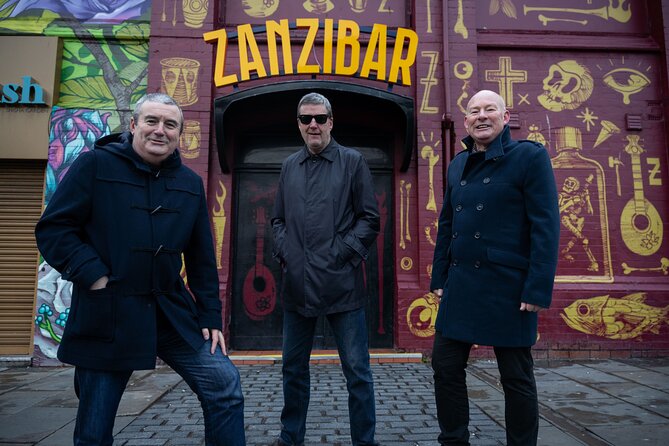
Stop 2 wraps things up in 30 minutes at Mathew Street. This is where you end, and it’s also where the tour turns from walking into conversation.
The plan is straightforward: you sit down in an iconic pub, get a complimentary drink, and chat with your musician guide. You can ask questions, take pictures, and in some cases, get memorabilia signed or take selfies with the guide.
Why this is great for your day: you don’t have to guess what “the important story” is. You get to ask. Want to know what happened behind the scenes during a specific era? Ask. Want a local take on a venue or a rivalry narrative? Ask. It’s the easiest way to personalize your visit without booking extra experiences.
Also, the tour includes a free item of memorabilia. One guest described a signed lyric sheet, so you might want to keep an open mind for what that memorabilia looks like on your date.
How much time and effort should you plan?
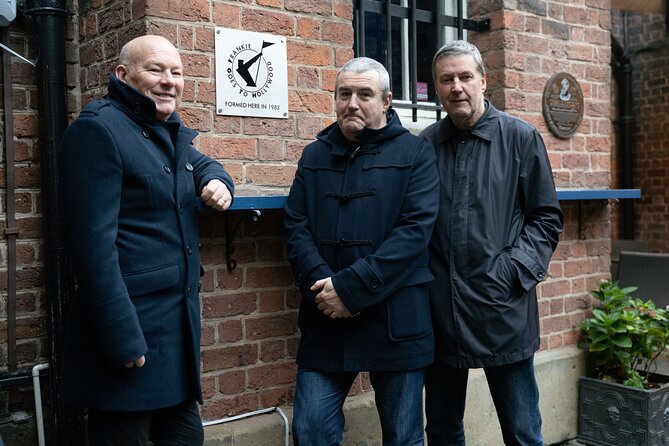
The tour is listed at about 2 hours 30 minutes total. You can think of it as two blocks: around two hours in central Liverpool, then about half an hour at Mathew Street.
Start time is 11:00 am. That timing is handy if you want a morning plan that still leaves you free for lunch and a later evening in the city. Because it includes a pub drink at the end, you can treat Stop 2 as your transition point, not just a finish.
Group size is kept small, with a maximum of 12 travelers. That matters more than you might think. It makes the guide’s attention feel less scattered, and it keeps the talk lively rather than turning it into a lecture.
Price and value: is $82.68 worth it?
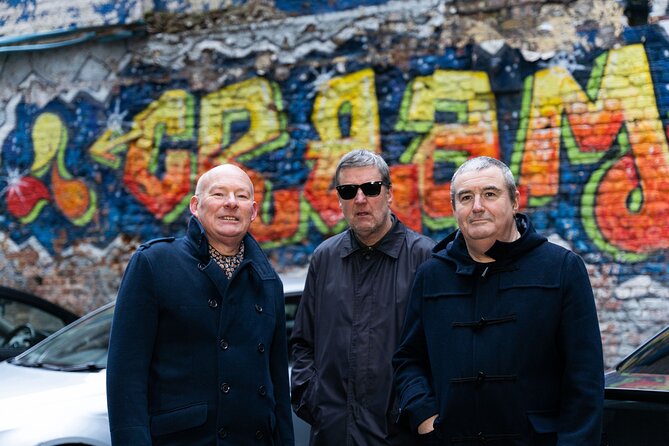
At $82.68 per person for roughly 2.5 hours, you’re paying for two things:
1) A real musician guide connection through The Farm
2) A focused route that includes specific places tied to rehearsals, studios, and scenes, plus a free drink and memorabilia
If you’ve done generic walking tours elsewhere, you might be used to paying for narration. This one is different. The “value” isn’t only the route. It’s the fact that the person leading you likely knows the scene from the inside, and you get Q and A time at the pub.
Also, the price is framed around a small group. That usually means you’re not just buying a ticket, you’re buying a conversation. If that sounds like what you want, the cost makes more sense.
If you’re only casually interested in Liverpool music, you may still enjoy it, but you’ll get the most value if you like bands, venues, and how artists connect to the city. This tour is built for people who pay attention to names and places.
Who this tour is best for (and who might want something else)
This is a strong fit if you:
- Love Liverpool music and want more than the standard highlights
- Enjoy hearing the story behind venues and rehearsal spaces
- Like asking questions and getting personal answers
- Want a smaller-group tour with time to talk at the end
It’s also a good family-friendly option in practice, since the pace is described as easy and it’s designed for people who want a pleasant walk. One group described doing it as a family of siblings for a birthday, and the day still worked out well.
Where you might choose something else: if you only want a short, landmark-only tour with zero walking, then a two-hour central route plus a Mathew Street finish might feel like too much.
Tips to make your Liverpool music icon tour smoother
A few practical moves can help you enjoy every stop:
- Wear comfortable shoes. Even with an easy pace, it can add up fast.
- Bring a question or two. The pub chat at Mathew Street is built for it.
- If you’re a fan, pay attention to the rehearsal rooms section. That’s where the day gets most “real.”
- Keep your phone charged. The selfie and photo moment at the end is part of the value.
Should you book this Liverpool Music Icons Tour?
I’d book it if you want a Liverpool music tour with a real-world edge. Starting at LIPA with Paul McCartney’s school building connection is a smart opener. Stop 1 is packed with working music locations, including Ministry Rehearsal Rooms and Crash rehearsal rooms, plus Probe Records and references to major studios and dance-music landmarks. Then Stop 2 gives you what too many tours skip, time to sit, ask questions, and leave with memorabilia.
Skip it only if you dislike walking, or if you want a purely Beatles-focused experience with no deeper look at rehearsals, labels, and club culture. This route is built to show you how Liverpool’s music scenes connected across decades, and the best results come when you’re ready to pay attention to names, places, and stories.
If that sounds like your kind of trip, this one is worth your morning.
Recently added around Liverpool
- Half Day Welcome to Liverpool Walking Tour★ 5.0 · 17 reviews
- Ultimate Ticket To Ride Beatles Half-Day Shore Excursion- Private★ 5.0 · 6 reviews
- The Story of Liverpool 2-Hour Walking Tour★ 5.0 · 3 reviews
- The Music and Art of Sefton Park★ 5.0 · 17 reviews
- Beatles Ticket To Ride Half Day Tour Small Groups★ 5.0 · 60 reviews
- Liverpool Wine Tour Experience★ 5.0 · 5 reviews
- Original 3-Hour Beatles Tour★ 5.0 · 3 reviews
- The Liverpool Pass®: All top attractions inc. Hop-On Hop-Off Bus Tour | 2-Days★ 4.5 · 11 reviews
Liverpool Tours, compared.
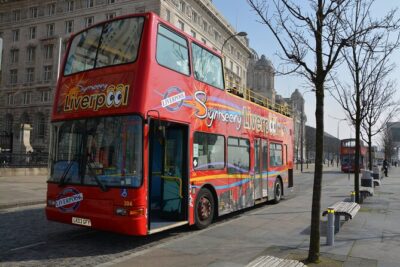
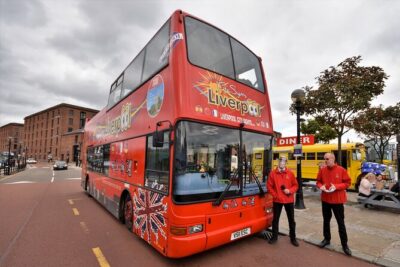
Liverpool City Sights Hop On Hop Off City Tour – 24hr Ticket
Read our review →

Private 3-Hour Guided Beatles Classic Tour of Liverpool
Read our review →
Mad Day Out Beatles Taxi Tours in Liverpool, England
Read our review →Browse the lists this tour appears in