
Reviewed · THEME PARKS & ATTRACTIONS
SEA LIFE Brighton Admission Ticket
Rainforest meets the sea in Brighton. With a prebooked entry pass, you can skip the admission desk and walk straight from the Victorian Arcade into a heat-and-humidity rainforest experience. You’re free to explore at your own pace, so it works whether you’re moving fast or lingering for photos.
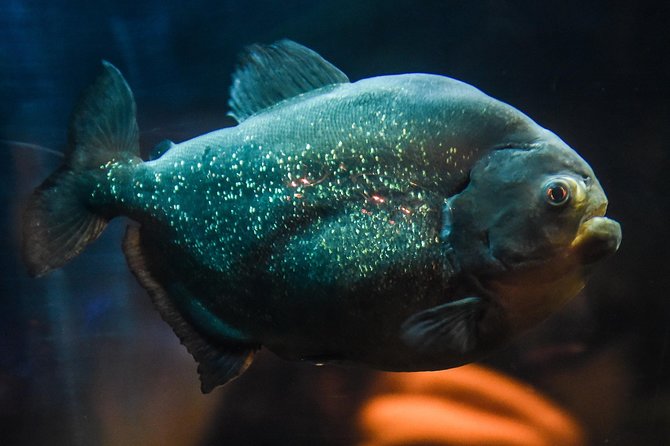
One of my favorite parts is the full rainforest route, with an anaconda greeting you near giant tree roots, plus water dragons, poison dart frogs, and piranhas along the way. I also really like how the sea life viewing is set up from multiple angles, including a standout ocean space in a Victorian auditorium.
A possible drawback is time. The visit is listed around 2 hours, and if you add extra experiences on site, it can run longer. Also, if you book through a third party, double-check your date before you go, since a bad date mix-up can be hard to unwind.
In This Review
- Key Things I’d Bookmark Before You Go
- Getting In Fast: Prebooked Sea Life Brighton in the Victorian Arcade
- Rainforest Zone: Anaconda Roots, Water Dragons, and Poison Dart Frogs
- The Victorian Auditorium and the 750,000-Liter Ocean Display
- Seahorses, Feeding Moments, and Secrets of the Reef
- Claws Exhibit: Crabs, Predators, and the Japanese Spider Crab
- How Long to Plan, Where to Start, and Family-Friendly Timing
- Price and Value: Is $21.94 Worth It?
- Should You Book Sea Life Brighton?
- FAQ
- How long does the Sea Life Brighton admission ticket take?
- What is included with the ticket?
- Is it a mobile ticket, or do I need to print anything?
- Is the experience offered in English?
- Do children need to be with an adult?
- Can I cancel for free?
- Is the attraction near public transportation?
Key Things I’d Bookmark Before You Go
- Fast entry with a prebooked ticket so you’re not stuck waiting at the desk
- Victorian Arcade to rainforest transition that makes the experience feel like a different world
- The 750,000-liter ocean display viewed from above and through a glass tunnel
- Seahorses plus the Secrets of the Reef exhibit tied to a real-world conservation story
- Claws exhibit with the Japanese spider crab showing just how huge sea arthropods can get
- Friendly, helpful staff that can make the visit feel smooth, especially with kids
Getting In Fast: Prebooked Sea Life Brighton in the Victorian Arcade
Sea Life Brighton is in a prime, central spot near the Victorian Arcade, so you can easily fold it into an afternoon in town. What makes this ticket feel practical is the prebooked entry, which is designed to save you time at the admission desk. Instead of losing your whole start to queue time, you can jump right into the first themed zones.
You’ll get an entry ticket that’s marked as a mobile ticket, and you should also plan to print your voucher in advance, just in case that’s what the door staff need to scan or verify. The experience is offered in English, so the signage and any staff explanations you catch will match an English-speaking visit.
One detail I like is that your booking is capped at a small group size (up to 5 travelers). Inside, it’s still self-paced, but that smaller booking size can mean a calmer start when you’re entering. It’s also a good fit if you’re traveling with kids, since you can pause without worrying about sticking to someone else’s schedule.
More attractions around Brighton:
- Thorpe Park Admission Ticket
★ 4.0 · 5,915 reviews - Alton Towers Resort 1 Day Admission Ticket
★ 3.5 · 5,501 reviews - 1 Day Admission to LEGOLAND Windsor Resort
★ 3.0 · 5,329 reviews
Rainforest Zone: Anaconda Roots, Water Dragons, and Poison Dart Frogs
The rainforest area is the first big mood shift, and it’s built to feel like you’re walking through a living jungle. As you move through winding roots and tree trunks, it’s warm and humid in a way that makes the whole zone feel convincing, not just decorative.
The show-stopper moment is when you step through the roots of a giant tree and an anaconda welcomes you. From there, the route keeps you moving: you’ll come across a mystical ruined temple setup, then scenes featuring water dragons, colorful poison dart frogs, and piranhas. It’s a mix of “wow” animals and familiar aquarium favorites, all in the same walking loop.
Don’t rush past the rescued animal section either. The rainforest includes a group of rescued terrapins, and this is one of those spots where pausing for a minute or two often pays off, especially if you’ve got little kids who want to point and ask questions. If you time it right, you can also catch staff activity, which can make the whole section feel extra alive. (In one visit story, a sea turtle feeding moment was the highlight for a family, and the vibe was all about watching caretakers at work.)
The main consideration here is pacing. If you’re visiting with younger children, expect a slower walk, because the path encourages stopping at multiple exhibits.
The Victorian Auditorium and the 750,000-Liter Ocean Display
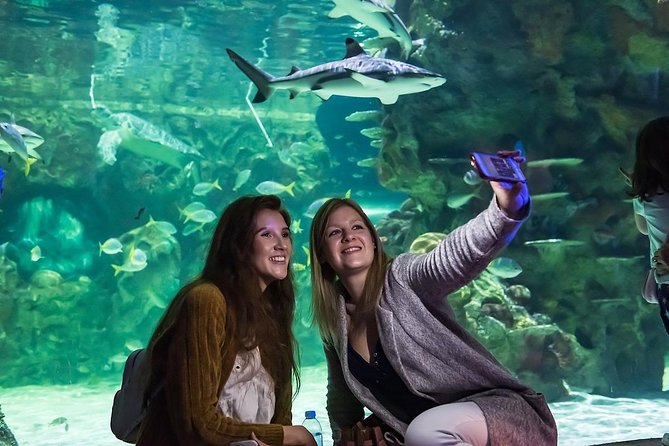
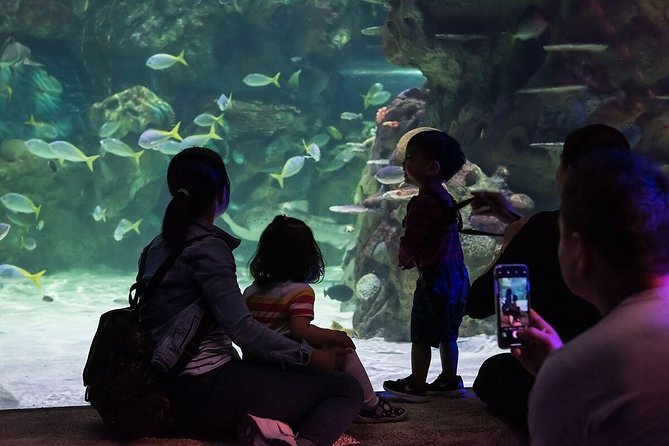
After the rainforest, you hit a major “big wow” moment. There’s a Victorian auditorium built in 1872, and inside it you’ll see a huge 750,000-liter ocean display. This is where the aquarium stops being just a walk-through and becomes an actual viewing experience.
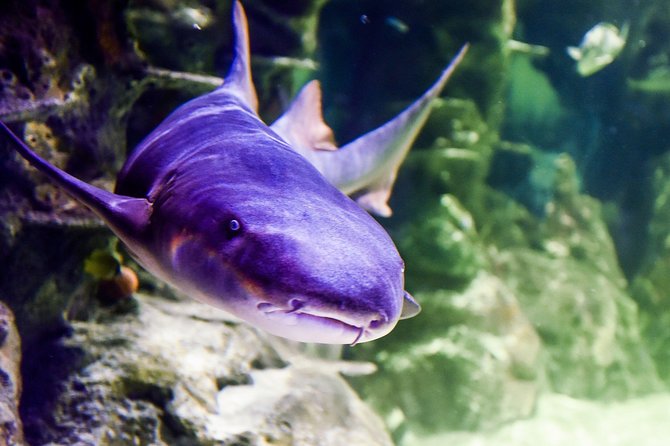
One of the best planning tips: look for viewpoints that let you see animals from above. This display is set up so you can spot the three species of sharks it houses, plus rescued sea turtles, rays, and tropical fish. If your group includes anyone who loves spotting details, this is a great section for it.
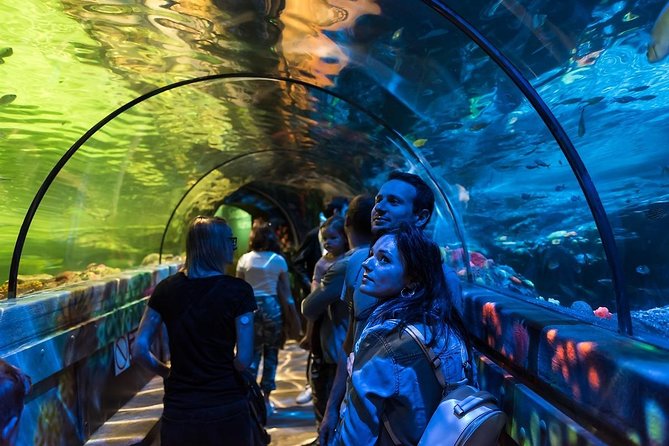
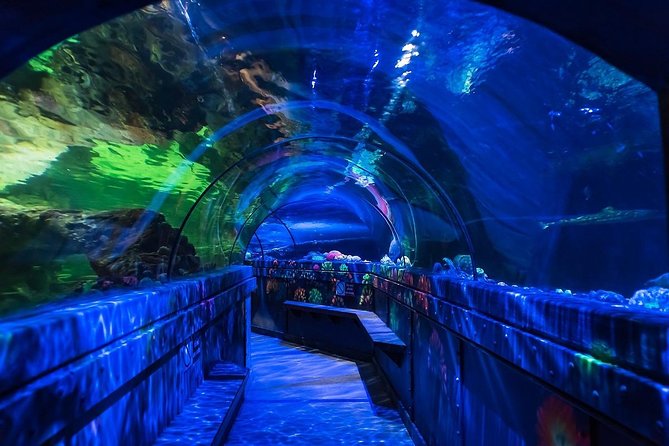
Then comes the underwater path. You can take a stroll under the sea through a glass tunnel, where shoals of fish swim alongside you and larger sea creatures move overhead. Two sea turtles called Lulu and Gulliver are specifically named here, so if you enjoy “naming your favorites” you can play that game as you go.
You may also notice an optional upgrade related to the ocean area: you can board a glass bottom boat experience, but you’d need to purchase a ticket at admissions. Since it’s not included with the base entry, it’s best to decide on the spot based on your time and energy. If you’ve got a short window, you might skip it and focus on the rainforest and the tunnel.
Seahorses, Feeding Moments, and Secrets of the Reef
Seahorses are usually a quick photo op in many aquariums. Here, they’re treated like a real star attraction. You can see seahorses gripping seagrass using curly tails, and you’ll also learn how they feed using their straw-like snouts. If you’re lucky, you may even hear their distinctive “finger-clicking” sounds as they feed, which makes the experience feel more sensory than just visual.
There’s also information about the seahorse breeding program at Sea Life Brighton. That matters because it gives the exhibit purpose beyond watching animals. It’s not just entertainment, it’s part of how the facility thinks about animal care and long-term success.
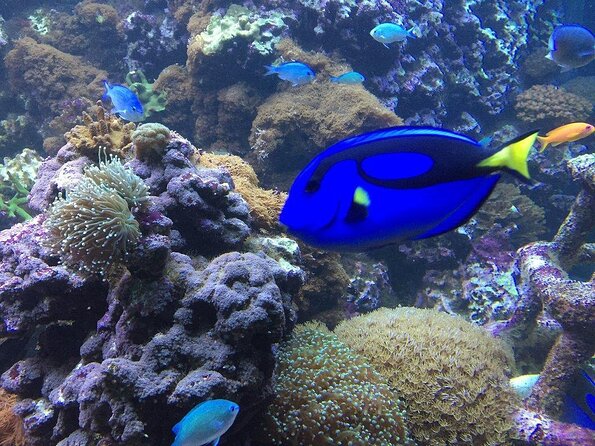
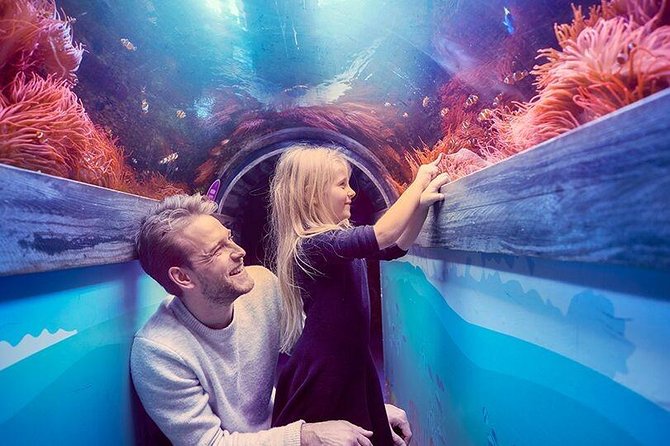
Right near that energy is the newer display called Secrets of the Reef, set up around a tropical paradise of a Maldives reef. It focuses on familiar reef characters like regal tang and clownfish, and it’s built around seeing them up close through a crawl-through tunnel. The exhibit also explains what threatens reefs and connects it to action, with Sea Life working with a local community out in the Maldives to help rebuild coral reef.
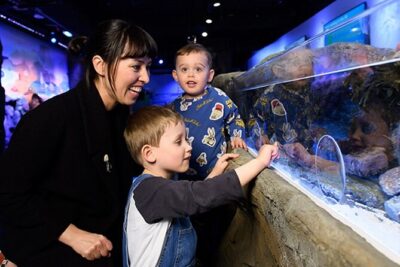
If you’re traveling with kids, this section is often an easy sell. It feels like a guided journey even though you’re exploring independently, and the tunnel layout naturally keeps them moving forward without feeling like you’re “dragging” them.
A few more Brighton days worth comparing
- Seven Sisters and South Downs Tour
★ 5.0 · 491 reviews - Brighton Bar Crawl
★ 5.0 · 377 reviews - The Brighton story – walking tour
★ 5.0 · 251 reviews - Fun, Flexible Treasure Hunt Around Brighton with Cryptic Clues & Hidden Gems
★ 5.0 · 154 reviews
Claws Exhibit: Crabs, Predators, and the Japanese Spider Crab
Not every aquarium gives you a dedicated place for crustaceans to shine, but Sea Life Brighton does, and the Claws exhibit is a great example of that.
This area focuses on the armored division of the marine world, showing you crab anatomy and explaining why these creatures are such effective predators of the seabed. If you like learning how animals work, this is the part of the visit that leans more into facts and less into just spectacle.
You’ll see different crustaceans from around the world, and the star is the Japanese spider crab. The exhibit calls it the largest arthropod in the world, with legs that can reach 12 feet across when fully grown. Even if you don’t have a scientific background, it’s hard not to feel impressed by the size and the weird beauty of their proportions.
This section is also a good “reset” when the earlier stops have been loud, busy, and exciting. The pacing here can feel more hands-on in your mind, because you’re trying to match what you’re seeing to the anatomy lessons.
How Long to Plan, Where to Start, and Family-Friendly Timing
The ticket is listed as lasting about 2 hours on average, and many people likely finish within that window if they move at a steady pace. Still, the experience is self-paced, and you can spend as long as you like inside.
Here’s a simple strategy that works well in practice. Start with the rainforest zone while your group is fresh, then head to the ocean auditorium once you’re warmed up and ready for the big tank. After that, work through the seahorses and tunnel areas, because those tend to be the spots where people slow down for looks, sounds, and photos.
If your group includes toddlers, plan for extra time in places that encourage stopping. Reviews and general family logic line up here, since the visit is very friendly for kids of different ages, including very young children. The calm advantage of self-paced entry is that you’re not forced to keep up with a guide pace.
For animal viewing, keep an eye out for staff moments. In at least one account, the sea turtle feeding time was a highlight, and watching caretakers in action made the exhibit feel more personal. You cannot count on a specific time, but being observant pays off.
Also, remember this is centrally located and near public transportation, so you can pair it with a walk through Brighton’s lanes or a beach stop without a lot of logistical hassle. If you want to do more, the aquarium becomes a strong “anchor” activity because it’s weather proof.
Price and Value: Is $21.94 Worth It?
At $21.94 per person, this is one of those purchases you should think about in terms of how many separate experiences you’re buying. You’re not paying for one tank. You’re buying entry into multiple themed areas: rainforest, a huge ocean viewing space, glass tunnel viewing, seahorses, reef conservation messaging, and a crustacean-focused exhibit.
The ticket also has clear value for families. People with kids tend to love the mix because it hits different interests in one visit. One review praised how it kept a whole family entertained, including a 2-year-old, which is a strong signal that the experience isn’t only for older kids.
The other value angle is the small-group booking size (up to 5 travelers) and the friendly, helpful staff that people highlight as making the visit easier. When staff answer questions or point you toward exhibits, it can reduce time lost wandering.
Costs to keep in mind: souvenir photos are available for purchase but not included. And the glass bottom boat experience requires an extra ticket. If you want the lowest-cost visit, skip add-ons and focus on the main exhibits. If you want to turn it into a bigger day, the optional experiences can be worth it.
Should You Book Sea Life Brighton?
If you want an indoor activity that feels more like themed discovery than just looking at fish, I think this is a very solid choice. The combination of a rainforest walk, a big Victorian auditorium ocean display, and the glass tunnel sequence is a strong mix for first-timers.
You should book this if you’re traveling with kids, because the layout makes it easy to pause and rejoin without losing your whole schedule. You’ll also like it if you enjoy animal facts, not only animal spotting, since the exhibits include clear educational content, from seahorse feeding and breeding to reef conservation in the Maldives and crab anatomy in the Claws area.
The main reason to hesitate is if your visit window is super tight. With the average duration around 2 hours, you can miss a lot if you’re rushing or if you keep adding optional experiences. Another practical caution: confirm your date carefully if you’re using a third party, and have your voucher ready in the format the venue requests.
Overall, this is the kind of ticket that buys you a smooth, self-paced day in the middle of Brighton, with enough variety to keep adults and kids interested.
FAQ
How long does the Sea Life Brighton admission ticket take?
The visit is listed at about 2 hours on average.
What is included with the ticket?
The entry ticket to SEA LIFE Brighton is included.
Is it a mobile ticket, or do I need to print anything?
A mobile ticket is mentioned, but you should also print your voucher in advance.
Is the experience offered in English?
Yes, it is offered in English.
Do children need to be with an adult?
Yes, children must be accompanied by an adult.
Can I cancel for free?
Yes, you can cancel for a full refund up to 24 hours in advance.
Is the attraction near public transportation?
Yes, it is near public transportation.
Recently added around Brighton
- Adventurous Scavenger Hunt in Hastings by Operation City Quest★ 3.0 · 3 reviews
- Sussex Birdwatching Private Guided Day Tour★ 5.0 · 13 reviews
- Handcrafted Donuts & Tea: Brighton’s Artisan Sweet Treat Tour★ 5.0 · 127 reviews
- Ultimate Shooting Taster Session in Brighton★ 5.0 · 33 reviews
- The Hunt: Team Activity in Brighton, Sussex★ 5.0 · 149 reviews
- Sussex Vineyard & Winery Bus Tour on Iconic Vintage London Bus★ 4.5 · 89 reviews
- Seven Sisters Tour★ 5.0 · 8 reviews
- Stonehenge and Bath – Day Tour from Brighton★ 4.5 · 68 reviews
Theme Parks & Attractions, compared.


Chessington World of Adventures Resort Admission Ticket
Read our review →

LEGOLAND Windsor Resort 2 Day Admission Ticket
Read our review →

Browse the lists this tour appears in