
Reviewed · BIRMINGHAM TOURS
Skip the Line: House and Garden Admission Ticket
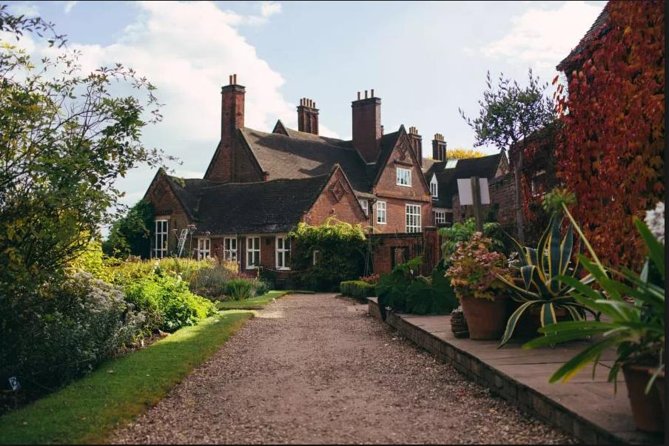
Winterbourne House and Garden is a quiet pause in Birmingham. This ticket gets you into a restored Edwardian Arts and Crafts suburban villa garden, with color from classic design ideas to international plant collections.
I love how the gardens were shaped by real people and real guidance, Margaret and John Nettlefold creating the space with Gertrude Jekyll’s books as inspiration. I also love the variety, from the walled garden and crinkle-crankle wall to woodland walks with Gunnera and Rhododendrons.
One thing to keep in mind: the experience is sold as skip-the-line, but you should still expect a short wait when you arrive. Plan for that, especially at busier times.
In This Review
- Key highlights at a glance
- Winterbourne House and Garden, Birmingham’s calm break from the city
- Your visit plan starts with simple timing and seasonal hours
- Tickets and “skip the line” expectations, so you don’t get caught off guard
- Winterbourne House, Edwardian elegance and a view into the designers’ mindset
- The walled garden and crinkle-crankle wall, color with design behind it
- Sandstone rock garden and woodland walk through Gunnera and Rhododendron
- Global plant collections, why they matter more than you think
- Price and value for $14.17, what you actually get
- Who should book Winterbourne, and who might want a different plan
- Small-group size, language, and pacing you can control
- Parking and practical access, what to expect near the site
- Should you book? My straight answer
- FAQ
- How long does the Winterbourne House and Garden admission take?
- Where is this experience located?
- What is the price per person?
- Are meals included with the admission?
- What’s included in the ticket?
- Is the ticket mobile?
- What language is the experience offered in?
- What are the opening hours?
- How many people are in the group?
- Is there free cancellation?
- Is car parking easy nearby?
Key highlights at a glance
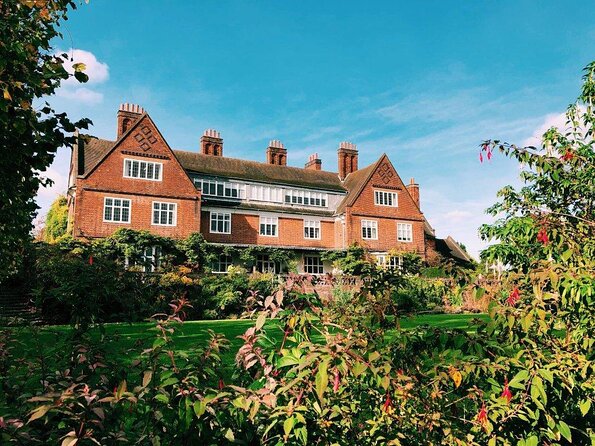
- Edwardian Arts and Crafts garden rooted in Margaret and John Nettlefold’s design, guided by Gertrude Jekyll’s books
- Crinkle-crankle wall and a restored walled garden that leans hard into color from May to October
- Global plant collections, including plants associated with China, North and South America, and alpine regions
- Seasonal walks with a woodland path through Gunnera leaves and Rhododendron displays
- Good value time-wise, with a visit that can work as a 1 to 4 hour garden reset
- Small-group feel (maximum 30 travelers) that keeps the pace relaxed
Winterbourne House and Garden, Birmingham’s calm break from the city
If you want a pause that feels like you stepped out of Birmingham for an hour, Winterbourne House and Garden is built for that. It’s a Grade II listed site, and that matters because it’s not just about pretty flowers. The garden is preserved as a period place, with the house and garden treated as one experience.
What makes it especially satisfying is the mix of design intent and plant personality. This is an Edwardian Arts and Crafts suburban villa garden that grew out of a homeowner’s hands-on vision. Margaret and John Nettlefold used Gertrude Jekyll’s books as guides, so you get that classic “planned beauty,” not random landscaping.
Then the garden expands outward. You move from structured spaces like the walled garden and themed borders, into areas that feel more natural, like the woodland walk. For gardeners, history buffs, and families, that mix usually lands well because there’s both learning and wandering.
A few more Birmingham days worth comparing
- Shrewsbury Prison Guided Tour
★ 5.0 · 2,628 reviews - Entry ticket to Hoo Zoo and Dinosaur World in Telford
★ 5.0 · 591 reviews - Cadbury World Entry Ticket
★ 3.0 · 524 reviews
Your visit plan starts with simple timing and seasonal hours
This is the kind of place you can slot into a day without stress. The suggested time window is about 1 to 4 hours, which is ideal if you want something gentle but not half your itinerary.
Opening hours shift by season:
- From 01/13/2026 to 02/28/2026, it runs 10:30 AM to 3:30 PM
- From 03/01/2026 to 10/31/2026, it runs 10:30 AM to 4:30 PM
That extra hour later in the year is useful. In spring and summer, you’ll likely want time to slow down, sit on benches, and loop through multiple garden areas rather than rushing. If you’re going in winter or early spring, the shorter closing time means you should enter with a clear plan: focus on the main garden areas first, then decide how much extra time you have.
Also note it’s offered in English, and the ticket is a mobile ticket. That’s helpful in practice because you can keep everything on your phone and spend less time juggling paper.
Tickets and “skip the line” expectations, so you don’t get caught off guard
The headline is skip the line admission, and the goal is straightforward: reduce waiting. Still, one practical note from real-world timing is worth taking seriously. Even when an entry process is designed to be faster, you can still run into some queue time when you arrive, especially during peak hours.
Here’s how I’d manage that:
- Arrive closer to opening if you want the calmest entry
- If you’re traveling with kids, treat the first 10 to 20 minutes as “buffer time”
- Have your mobile ticket ready on your phone screen so entry stays smooth
The good news is that once you’re inside, the site is set up so you can move at your own pace. The experience includes admission, and that means your time is spent where you want it: Winterbourne House and Garden, not inside a waiting room.
Winterbourne House, Edwardian elegance and a view into the designers’ mindset
Winterbourne isn’t only a garden you stroll past. The house and garden are meant to be experienced together, and the preserved setting makes that feel real.
The big idea is that this place is a suburban villa garden designed in the Edwardian era, where the home’s character and the garden’s structure go together. That helps you notice details more than you would in a typical public park. For example, the restored garden areas and themed planting patterns feel like they have purpose, not just decoration.
When the house and gardens are preserved well, you naturally start asking better questions as you walk. Instead of thinking, “What’s growing,” you start thinking, “Why was this planted here?” That shift is part of the value, especially if you’re the kind of person who reads garden labels, likes seeing design patterns, and enjoys the feel of lived-in history.
You’re also able to take breaks without feeling like you need to keep walking. Benches are available, so you can step out of the loop and actually enjoy the surroundings.
Same part of England, a different sort of day out:
- Shrewsbury Prison Entry Ticket
★ 4.5 · 426 reviews - LEGOLAND Discovery Centre Birmingham
★ 3.5 · 380 reviews - Birmingham Walking Tour: Canals, Victorians & Today (1:30pm)
★ 5.0 · 346 reviews - Discovering Birmingham 2 hour Walking Tour to the Jewellery Quarter
★ 5.0 · 333 reviews
The walled garden and crinkle-crankle wall, color with design behind it
If you only spend time in one section, make it the restored walled garden. This is where the “Edwardian garden planning” feeling becomes strongest.
The garden includes a famous crinkle-crankle wall, a curving barrier that isn’t just architectural texture. It also helps create visual interest as you move through the space and it adds to that sense of structured design.
Then there’s the timing. From May until October, the garden is described as a riot of rainbow shades. That language points to a few practical expectations:
- Don’t expect one single flower show. Expect lots of overlapping color
- Plan to revisit a section after walking a loop, because planting shows differently from different angles
- If you’re visiting outside May to October, you’ll still find interest, but the overall color emphasis will shift
The lawns are also framed by striking color themed borders. That makes the walled garden feel like a series of “living rooms” outdoors, where each border plays a role in how the space reads. If you’re coming with family, this is often the section that gets the most smiles, because kids can spot patterns and repeat visits help them understand the design.
One more practical note: climbing plants like wisteria can have their own schedule, and there may be moments when you don’t catch them at full strength. If you’re planning a wisteria-focused trip, treat it as a bonus, not a guarantee.
Sandstone rock garden and woodland walk through Gunnera and Rhododendron
After the structured walled areas, the garden gets more “walkable.” This is where you can stretch your legs and enjoy the garden at a slower pace.
Beyond the main garden spaces, you’ll find an original sandstone rock garden. Rock garden spaces often feel different from beds because the planting sits within a hardscape framework. That contrast is useful if you’re learning what plant habitats want, because it helps you see how texture and structure support growth.
Then comes the woodland walk, which is described as moving through Gunnera leaves and Rhododendron displays. Gunnera is big-leaf drama in the best way, and Rhododendrons usually bring dense color and shape. Even if your visit is outside peak bloom, the “mass of leaves” effect tends to keep things visually interesting.
This part of the garden also gives you a different kind of calm. Walled areas can feel like bright outdoor rooms, while woodland paths feel more shaded and sheltered. If you’re visiting on a warmer day, this woodland segment can feel like a natural cooling break.
And because this is a small-site outing, you can usually pace it however you want. Want a short visit? Focus on house and walled garden. Want a longer one? Add the rock garden loop and keep going until the woodland walk slows you down.
Global plant collections, why they matter more than you think
Winterbourne includes botanical collections from around the globe, and it’s more than a list of far-away origins. When a garden is curated into sections, global plants help you compare growth habits and how different plants respond to the space they’re in.
Here are the regions specifically mentioned:
- China
- North America
- South America
- Alpine areas
That matters because it changes how you look at the garden. Instead of seeing a single “English garden look,” you can see a wider range of forms and planting logic. For gardeners and students, it’s a chance to notice how structure and foliage create texture, not just color.
For families, it’s a fun learning game. Ask kids to spot the biggest leaves, the densest shrubs, and the most colorful borders, then connect those visuals to the labels you see on site.
If you’re hoping for lots of instruction from a guide, you may find that the experience is more self-directed than lecture-style. The value is in the setting itself, plus the preserved design that shows you how garden ideas travel through time.
Price and value for $14.17, what you actually get
At $14.17 per person, this ticket is priced for a thoughtful garden visit, not a full-day attraction. That price point is important because it usually means you’re paying for access to a preserved site, and not for a heavy touring machine.
Here’s the value logic that makes this work:
- The admission gives you entry to a Grade II listed house and garden experience
- The garden design includes multiple distinct areas, so 1 to 4 hours feels realistic
- The setting is peaceful, with benches and a layout that supports slow wandering
If you’re traveling on a budget, this is the kind of stop that often makes sense as a mid-day reset. It can help balance out a trip that includes more urban sightseeing. And because the visit is self-paced, you can tailor the time to your energy level.
The one practical thing to know is that food and drinks are not included unless specified. If you’re going long, bring water. Even if you plan to buy something nearby, having a small stash can keep the visit comfortable, especially if you’re visiting when the garden is most active.
Who should book Winterbourne, and who might want a different plan
This is a great match if you fall into one of these groups:
- You like gardens where design matters, not just color
- You’re curious about Edwardian suburban villa garden culture and the way homeowners shaped outdoor spaces
- You’re traveling with kids who enjoy nature walks and sitting breaks
- You want a calm stop that isn’t an all-day commitment
If you’re mostly chasing landmark architecture or big-ticket museum exhibits, you might feel like this is quieter than your usual “must-see” day. But if you like atmosphere, small discoveries, and the satisfaction of a well-kept garden layout, Winterbourne is a strong choice.
Also consider season. If you’re traveling during May to October, you’ll likely hit the garden’s peak emphasis on color in the walled areas. If you’re going earlier or later, aim to enjoy the structure, leaves, woodland mood, and year-round interest rather than expecting the same rainbow intensity.
Small-group size, language, and pacing you can control
The experience has a maximum of 30 travelers. That’s a meaningful detail because it usually keeps entry and movement from feeling chaotic. In a garden setting, crowding can be the difference between enjoying quiet corners and feeling like you’re walking through a bottleneck.
The ticket is offered in English, which helps if you want straightforward information while you move around.
And because it’s designed around admission, you control the pacing. You can spend more time where you’re interested, then speed up if the day is moving fast.
If you’re sensitive to walking, plan your time around the fact that gardens invite looping. Bring comfortable shoes, and use the benches when you need a breather.
Parking and practical access, what to expect near the site
One real-world consideration is car parking. The site area can have difficult car parking due to narrow space, so it’s worth thinking through your transport plan ahead of time.
If you’re driving, arrive with patience and extra time for parking. If you’re using public transport or walking, you can treat the garden as the main event and build a gentle outing around it.
Because the site is close enough to be a practical city-day stop, you can often combine it with other Birmingham sightseeing without needing a full detour.
Should you book? My straight answer
Yes, I’d book this if you want a peaceful, well-designed garden visit in Birmingham with a strong Edwardian Arts and Crafts feel. The price is reasonable for admission to a preserved house and garden, and the layout gives you enough variety to stay interested for up to a few hours.
I’d skip or adjust expectations if you’re arriving strictly for a single “perfect flower show” moment, or if you dislike any chance of waiting at entry even when a ticket is sold as skip-the-line. Plan for that small possibility, then focus on enjoying the garden sections once you’re inside.
If you want a calmer day with real outdoor design ideas, Winterbourne House and Garden is a very solid choice.
FAQ
How long does the Winterbourne House and Garden admission take?
The duration is listed as about 1 to 4 hours.
Where is this experience located?
It is in Birmingham, England.
What is the price per person?
The price is listed as $14.17 per person.
Are meals included with the admission?
Food and drinks are not included unless specified.
What’s included in the ticket?
The admission ticket is included.
Is the ticket mobile?
Yes, it is listed as a mobile ticket.
What language is the experience offered in?
It is offered in English.
What are the opening hours?
From 01/13/2026 to 02/28/2026: 10:30 AM to 3:30 PM daily. From 03/01/2026 to 10/31/2026: 10:30 AM to 4:30 PM daily.
How many people are in the group?
The maximum is listed as 30 travelers.
Is there free cancellation?
Yes, you can cancel up to 24 hours in advance for a full refund.
Is car parking easy nearby?
Car parking can be difficult because it is described as rather narrow.
Recently added around Birmingham
- On the Origins of Charles Darwin: A Self-Guided Audio Tour of Shrewsbury★ 4.5 · 16 reviews
- Photography Walking Tour in Birmingham★ 5.0 · 42 reviews
- From Birmingham Stonehenge and Bath Day Tour★ 4.5 · 33 reviews
- Birmingham Ghost Hunt: Haunted Self-Guide Tour & Quest★ 4.5 · 37 reviews
- Epic Karting in the Centre of Birmingham★ 5.0 · 44 reviews
- Digbeth, Public Art & Peaky Film★ 5.0 · 91 reviews
- 2.5-Hours Walking Tour of Birmingham into Black Heritage Madiba★ 5.0 · 49 reviews
- Birmingham Bricks and Canals Self Guided Tour with App★ 4.5 · 4 reviews
Birmingham Tours, compared.


Entry ticket to Hoo Zoo and Dinosaur World in Telford
Read our review →



Birmingham Walking Tour: Canals, Victorians & Today (1:30pm)
Read our review →
Discovering Birmingham 2 hour Walking Tour to the Jewellery Quarter
Read our review →
Birmingham Slogging Gangs Walking Tour with Edward Shelby
Read our review →Browse the lists this tour appears in