
Reviewed · PHOTOGRAPHY SESSIONS
Street Photography Workshops in London
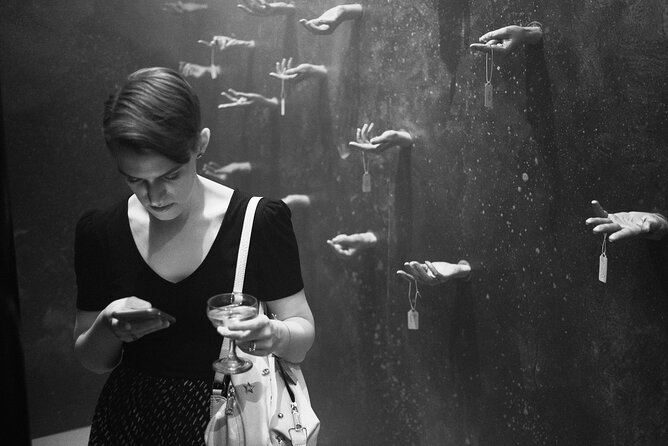
Fleet Street street photography gets real fast. This small-group workshop in London puts you on the streets with Cyrus and Marc, then tightens your eye with hands-on practice and feedback. You also get pointed help on how to photograph strangers safely, even if you feel uneasy at first.
I especially like the photo critiques built into the day. You review and learn from images you submit the night before, then you get gentle, practical adjustments you can actually use while you’re still walking and shooting. That mix of theory and real images is what turns nervous clicking into confident choices.
One thing to consider is the pace. It is a packed session, and you may feel overwhelmed at first because you do a lot of shooting, looking, and feedback in a short window. Also, you need to bring your own camera or iPhone.
In This Review
- Key highlights worth your attention
- A Coach-Led Street Photography Workshop Around Fleet Street
- Who This Workshop Fits Best (Beginner to Intermediate)
- What Happens When You Arrive at Fleet St
- The Photo Critique That Changes How You See
- Learning Composition and Subject Choice, Not Just Camera Settings
- Street Assignments That Turn Theory Into Results
- Finding Less-Crowded Vantage Points Without Losing London Energy
- Safety and Comfort Photographing Strangers
- What You Need to Bring (Don’t Get Caught Short)
- The Small-Group Advantage You Can Feel
- Getting the Most Value From the Day
- Practical Stuff That Helps You Enjoy London More
- Should You Book This Street Photography Workshop in London?
- FAQ
- How long is the street photography workshop in London?
- Where does the workshop start and end?
- What time does the workshop begin?
- What language is the workshop offered in?
- Is a camera required?
- What is included in the workshop?
- How many people are in the group?
- Is it suitable if I feel nervous photographing strangers?
- Where will the shooting and learning take place?
- Is there free cancellation?
Key highlights worth your attention
- Small group coaching (max 8) means you can ask questions and get specific guidance
- Fleet Street practice with feedback keeps learning tied to what you’re photographing
- Photo critique before you shoot more helps you focus your attention quickly
- Lesser-known vantage points aim for good shots with less crowd pressure
- Street assignments and reminders turn ideas like light, color, and composition into habits
A Coach-Led Street Photography Workshop Around Fleet Street
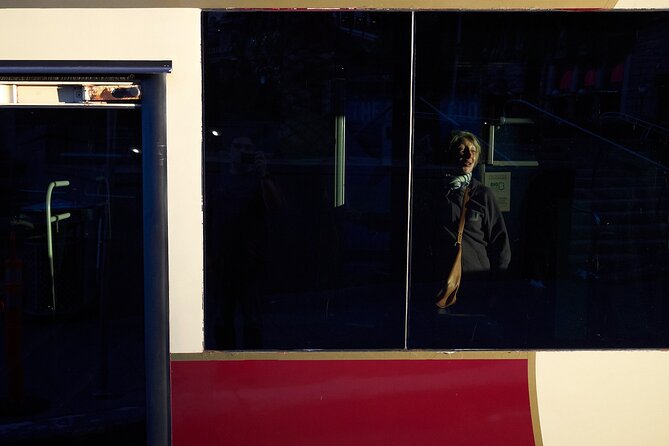
If you want to improve fast, you need feedback that happens while the problem is still fresh. This workshop is built for that. You’re not just told what to do, then sent away with homework. You do exercises, shoot immediately after the teaching, then come back for critique and discussion.
The setting is practical, too. You’ll work around Fleet Street in London, which is handy because it keeps you close to the action without forcing you into the most obvious, most crowded spots. And because the group stays small, Cyrus and Marc can adjust guidance to the way you’re shooting, not the way they wish everyone shot.
You should expect a full, concentrated block of learning. Even though the activity is listed at about 6 hours, the rhythm is still intense: shooting on the streets, short lectures, critiquing images, then more shooting based on what you just learned. If you like a structured plan, you’ll feel at home. If you prefer slow, wandering travel photography, this might feel like the opposite of a leisurely stroll.
A few more London days worth comparing
- Professional Photoshoot in London Photographer
★ 5.0 · 102 reviews - Private landmarks photoshoot for families and couples
★ 5.0 · 92 reviews - Professional Private Photoshoot in London
★ 5.0 · 63 reviews
Who This Workshop Fits Best (Beginner to Intermediate)
This is aimed at people who want to be better at street photography and know they need some training to level up. The material is especially useful if you feel stuck, awkward, or uncertain when photographing people on the street.
If you’re brand new, you’ll likely appreciate the reassurance about photographing strangers and how to do it more comfortably. If you’re already taking photos, the critique process can still sharpen you quickly, because Marc and Cyrus focus on what makes an image land: subject choice, composition, and the way light and color guide attention.
From what’s emphasized, the workshop is also a confidence builder. The instruction is meant to help you approach people and street scenes with less fear, more awareness, and better timing. That matters because street photography often comes down to milliseconds: noticing, choosing, and acting before the moment slips away.
What Happens When You Arrive at Fleet St
You start at Fleet St, London EC4A 2DQ, with a start time of 10:00 am. The workshop ends back at the meeting point, so you’re not left guessing how to get yourself home after a session full of photos.
Right away, the workshop’s style becomes clear. It’s not all classroom talk. You’ll move between teaching moments and street shooting, with the learning tied to real results. The small-group limit of 8 travelers supports this. You’re close enough that questions do not get lost, and guidance does not feel generic.
Another detail worth knowing: you should be ready to show images. You will spend time going through your photographs that you send in ahead of time, and you’ll be expected to listen and apply advice during the session. If you prefer to keep your photography private, this is still workable, but you’ll need to be comfortable with critique.
The Photo Critique That Changes How You See
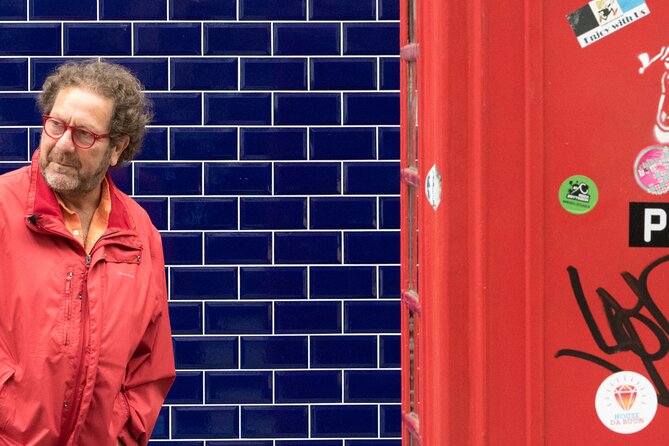
One of the most praised parts of this workshop is the critique approach. You bring your photos, Cyrus and Marc discuss what’s working, then offer gentle, actionable suggestions for improvement. That makes critique less like a teardown and more like a set of tools you can use right away.
You’ll also benefit from seeing images submitted in advance. Even if your own style is different, you’ll learn by pattern recognition. You start noticing recurring issues, like unclear subject focus, weak compositional structure, or light that could have been handled better.
The workshop also includes critique during the day after you go on assignments. That creates a feedback loop: shoot, evaluate, adjust, shoot again. That loop is one of the fastest ways to improve, because your brain connects advice to a specific outcome you just created.
Same part of England, a different sort of day out:
- Stonehenge, Windsor Castle, and Bath from London
★ 4.5 · 18,662 reviews - London Big Bus Hop-On Hop-Off Tour with Optional River Cruise
★ 3.5 · 10,803 reviews - London Small Group Tour of Historical Pubs
★ 5.0 · 10,422 reviews - Stonehenge, Windsor Castle and Bath with Pub Lunch in Lacock
★ 4.5 · 7,402 reviews
Learning Composition and Subject Choice, Not Just Camera Settings
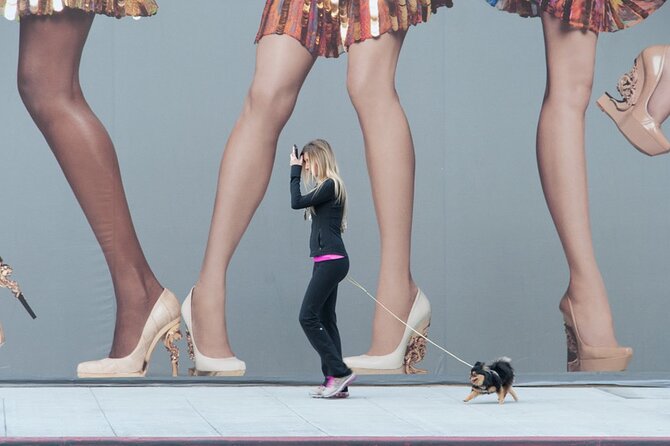
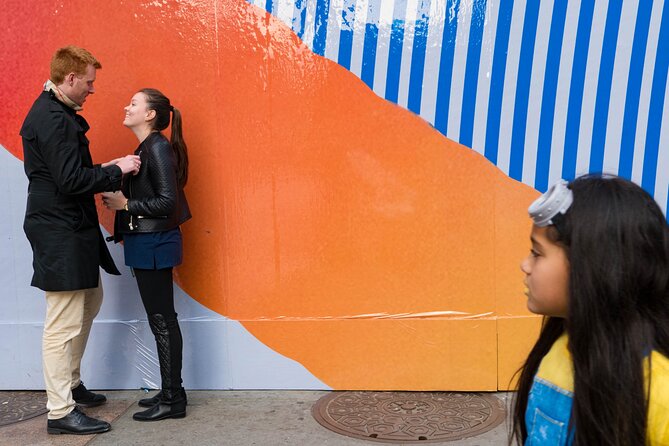
Street photography often gets treated like a gear hobby, but the workshop steers you back to the basics that actually create impact. You’ll cover composition, the importance of the subject, and how to make pictures land using light and colour.
This matters because street scenes can look busy through a camera viewfinder. The workshop teaches you to separate noise from meaning. Instead of hoping the scene solves itself, you learn to choose what your viewer should notice first, then support that with framing and timing.
You’ll also be reminded about why subject clarity is everything in street work. When people feel nervous, they tend to photograph too widely, too late, or too hesitantly. By focusing on subject and story, you get images that feel intentional, even when the moment is spontaneous.
And the light and color focus is practical. London can give you dramatic tones, but those tones are only useful if you position them. Understanding how light shapes faces, clothing, and street surfaces helps you create photos with mood, not just documentation.
Street Assignments That Turn Theory Into Results
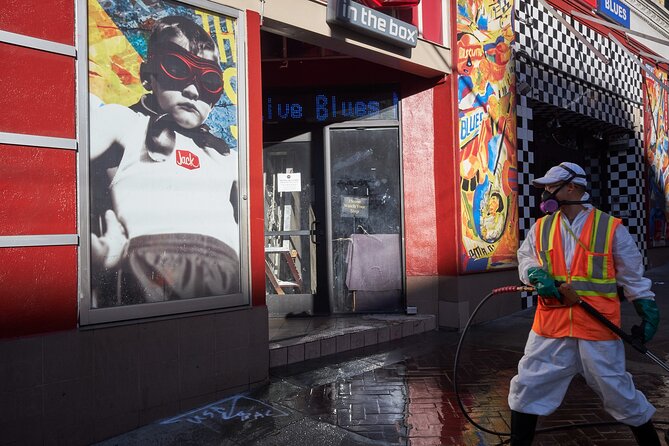
A workshop only helps if you practice with direction. Here, you are sent out on assignments during the session, so you don’t just listen. You shoot with specific goals in mind, then you come back and refine.
Assignments also help you break out of autopilot. Many people fall into a default style: the same framing, the same distance, the same shutter speed assumptions. Targets like subject focus, light direction, or compositional structure force you to try something different. Even if you don’t love every frame, you learn what works quickly.
You can expect that there will be more criticism as you go. That’s not meant to be harsh. It’s meant to guide you, so you don’t repeat the same mistake on the next block of shooting. If you like improvement-by-feedback, you’ll feel energized. If you hate being challenged, you might find the day intense.
Finding Less-Crowded Vantage Points Without Losing London Energy
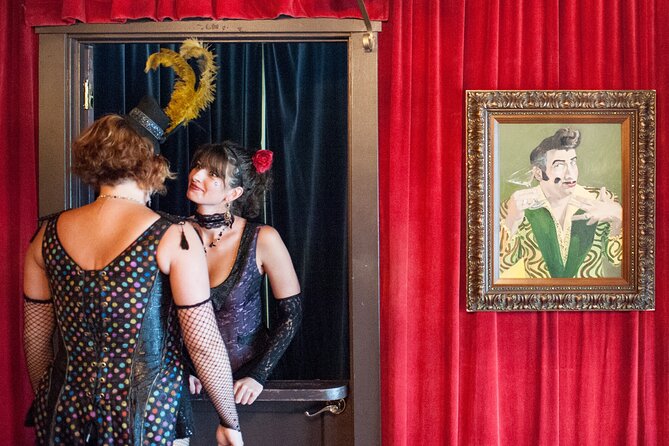
London street photography is famous, which is great for visibility and less great for crowding. One of the stated goals here is to head toward lesser-known vantage points. That gives you breathing room to frame scenes without constant interruptions, and it makes it easier to work on your timing.
It also supports a more relaxed experience. When you are stuck in heavy foot traffic, people rush their choices. You end up shooting faster than you can think. By aiming for locations with fewer crowds, the workshop gives you a better shot at making deliberate choices about composition and subject.
That said, you’ll still be in real London, which means life happens around you. You learn to work with that, not fight it. That’s the difference between taking photos in a controlled setup and learning street photography for real streets.
Safety and Comfort Photographing Strangers
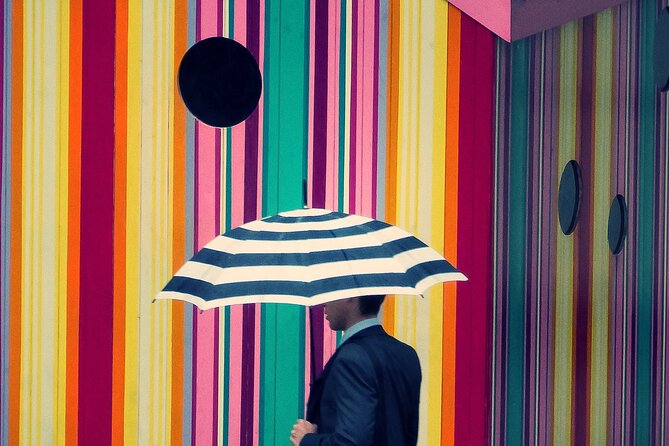
This workshop directly addresses a common fear: you might be scared to photograph strangers. Instead of brushing that concern aside, Cyrus and Marc focus on how to do it safely and more comfortably.
The practical value here is huge. Street photography becomes much easier when you understand how to approach people with respect, how to read the scene, and how to stay aware. Even if you already take street photos, you’ll probably find that the workshop helps you think about comfort and awareness as part of the craft.
You’ll also learn that your discomfort can affect your images. When you’re tense, you hesitate, you shoot too wide, or you miss the decisive moment. Guidance here helps you move from fear to a calm, intentional process.
What You Need to Bring (Don’t Get Caught Short)
The workshop does not include a camera. You need to bring your own camera or iPhone.
Beyond that, the smartest move is to come prepared to shoot and review on the spot. You should also be ready for the critique portion, meaning you’ll want your photos accessible and ready for discussion.
If you use a camera, you’ll probably be fine with whatever you normally shoot with. If you use a phone, it can still work well for street photography, since the workshop’s focus is on composition, subject, and light, not just technical specs.
The Small-Group Advantage You Can Feel
A maximum group size of 8 travelers is not just a number. It changes how the workshop feels.
In a big group, you get one-size-fits-all advice. Here, you can ask questions, and the guide can see what you’re doing as you shoot. That leads to more targeted suggestions, like how to frame your subject better, how to use color and light more intentionally, or how to choose a stronger visual focus.
It also helps during critique sessions. When people share images, you learn from each other, and the guide can respond with clarity. Even if you’re quiet, you’ll still absorb a lot because the pace stays interactive.
Getting the Most Value From the Day
If you want this workshop to actually change your photography, come with a simple mindset: you’re there to practice, not to prove you already have great photos.
Try to:
- Bring photos you’re willing to learn from during critique.
- Listen for patterns in the feedback, like subject clarity and compositional structure.
- Treat the assignments as a chance to experiment, not to get perfect results.
One other note from the workshop’s approach: you may be asked to look at the guides’ work as part of discussions, but the criticism of their work is optional. That means the focus stays on helping your photography improve, not turning the day into a debate.
Practical Stuff That Helps You Enjoy London More
Starting at 10:00 am near public transportation is a win. You can plan without complicated logistics, and you won’t lose prime shooting hours trying to find the meeting spot.
And because the activity returns to the meeting point, you don’t have to map out how to get back after you’re done photographing and thinking about light and color like you’ve just discovered a new superpower.
Also, confirmation is received at booking, which makes it easier to commit to the plan without endless back-and-forth. Service animals are allowed, which matters for comfort and accessibility in a street environment.
Should You Book This Street Photography Workshop in London?
I’d book this workshop if you want structured guidance and real feedback, especially if you feel uncertain about photographing strangers or you’re not seeing your photos translate into stronger images yet.
You’ll probably be happiest with this if you are:
- A beginner to intermediate photographer
- Willing to share photos for critique
- Excited by hands-on assignments and immediate practice
Skip it if you want a quiet sightseeing walk with casual photo tips only. This is a learning-focused session with critiques and time limits, so it’s best for people who like momentum and clear direction.
If you’re torn, think about what you need most right now. If it’s confidence, street technique, and better images from the streets around Fleet Street, this workshop is built for that.
FAQ
How long is the street photography workshop in London?
It runs for about 6 hours.
Where does the workshop start and end?
It starts at Fleet St, London EC4A 2DQ, UK and ends back at the same meeting point.
What time does the workshop begin?
The start time is 10:00 am.
What language is the workshop offered in?
The workshop is offered in English.
Is a camera required?
Yes. The workshop does not include a camera, so you need to bring your own camera or iPhone.
What is included in the workshop?
You get lecturing and critiquing as part of the experience.
How many people are in the group?
There is a maximum of 8 travelers.
Is it suitable if I feel nervous photographing strangers?
The workshop is designed to help you feel more comfortable and safe when photographing people on the street.
Where will the shooting and learning take place?
You’ll work around Fleet Street in London, including time at the guides’ rooms and time out on the streets.
Is there free cancellation?
Yes, free cancellation is available. You can cancel up to 24 hours in advance for a full refund. If you cancel less than 24 hours before the start time, the amount paid is not refunded.
Recently added around London
- Shared Service from Stansted airport to Central London★ 3.5 · 3 reviews
- VIP Private Transfers Stansted Airport to/from Any London Hotel★ 5.0 · 6 reviews
- Transfer from London Stansted Airport to Central London★ 5.0 · 6 reviews
- eSIM for UK (34 EU countries) | 3 to 30 days. Up to 40GB of data★ 4.0 · 18 reviews
- Layover Tour of London from LHR Executive Luxurious Vehicle Private Tour 6 hour★ 4.5 · 9 reviews
- York Day Rail Tour from London Including Hop-on Hop-off Tour★ 3.0 · 3 reviews
- Working Women of the East End Walking Tour★ 5.0 · 85 reviews
- London with a Local (Historical)★ 5.0 · 3 reviews
Photography Sessions, compared.
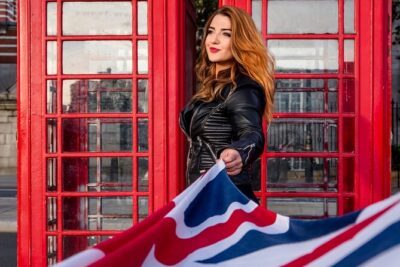
Professional Photoshoot in London Photographer
Read our review →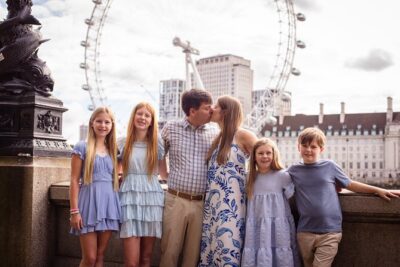
Private landmarks photoshoot for families and couples
Read our review →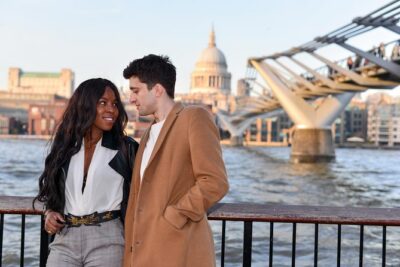
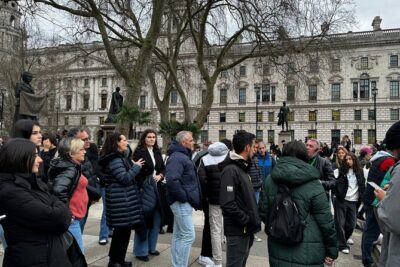
30 Major London Attractions Walking Tour With Photos
Read our review →
Browse the lists this tour appears in