Reviewed · LONDON TOURS
Turmoil, Templars & Oliver Twist London’s Squalor and Splendour
Holborn turns courts into a storybook. This tour connects Oliver Twist sights with real landmarks around Holborn, mixing Dickens-era street drama with medieval and legal history. I especially like the pacing, short stop by stop visits that keep you moving, and the chance to ask lots of questions of the guide.
One catch: it’s a walking route, and it’s not for you if you can’t cover about two miles at a reasonable pace.
In my experience, what makes this work is the guide, often Tom, who keeps things clear and answers questions without brushing you off. It’s also a small group, capped at 15, so the tour doesn’t feel like you’re being herded through London.
In This Review
- Key things I’d plan around
- Holborn in 2 hours, and why this route feels smarter
- Bow Street Museum of Crime and Justice, where London’s justice story begins
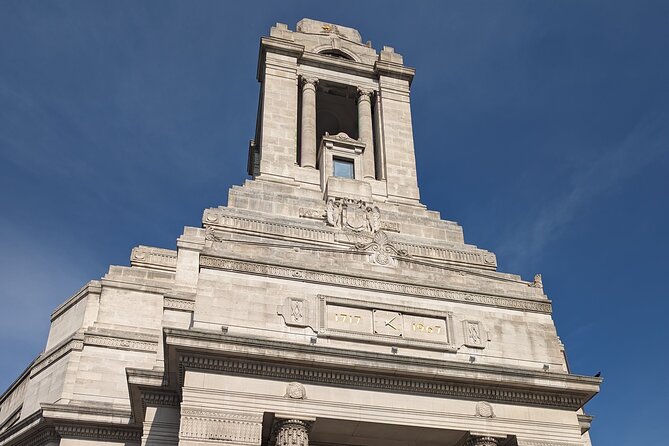
- Freemasons’ Hall, power structures you can actually picture
- Royal Courts of Justice, seeing the law as a neighborhood force
- Temple Church and the Knights Templar, where religion meets institutional power
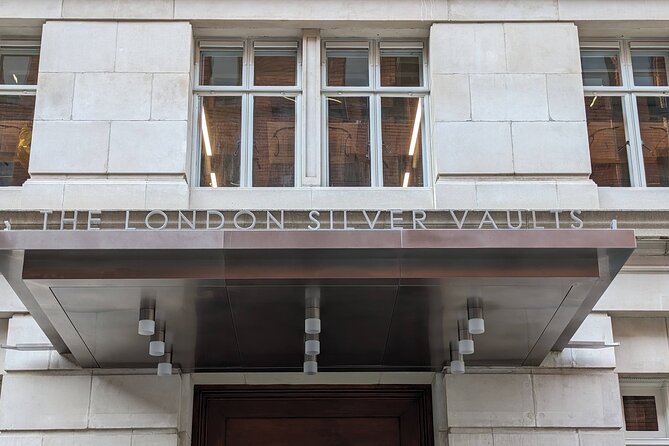
- The London Silver Vaults stop, a fun detour with a reason
- Staple Inn, the last surviving Inns of Chancery clue
- Old Bailey and the Newgate Prison connection you’ll remember
- Oliver Twist connections in real streets, not just generic Dickens vibes
- What you’re paying for, and why it’s decent value
- How the itinerary rhythm affects your day
- Who this Holborn walk suits best
- Should you book Turmoil, Templars & Oliver Twist London’s Squalor and Splendour?
- FAQ
- How long is the tour?
- What does the tour cost?
- What is the maximum group size?
- Is the tour offered in English?
- Do I get a mobile ticket?
- Where does the tour start and where does it end?
- Is there admission cost at the stops?
- Is the tour suitable if I cannot walk about two miles?
- What is the cancellation window for a full refund?
Key things I’d plan around
- Oliver Twist locations in Holborn, tied to specific stops you’ll actually see
- Seven focused stops, each listed at about 5 minutes, so you get an overview fast
- Temple Church and the Knights Templar layer added to the legal and crime route
- Old Bailey and Newgate Prison context, so the courts area makes more sense
- London Silver Vaults, a detour that keeps the walk fun and unexpected
- Small-group Q&A with Tom, with plenty of chances to ask follow ups
Holborn in 2 hours, and why this route feels smarter
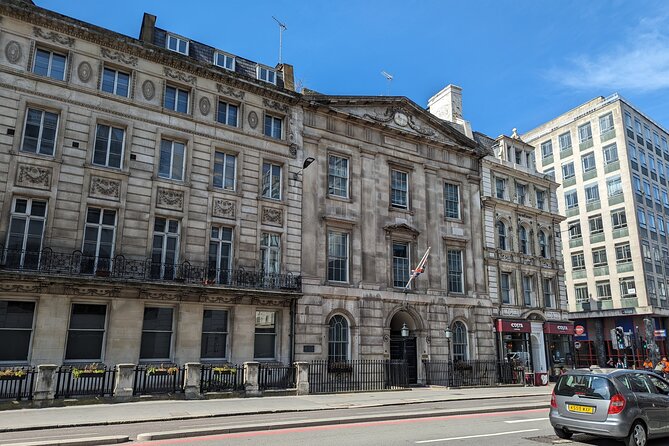
This is a tight, two-hour walking tour that works well when you want more meaning from the places you pass. Instead of doing one stop at a time on your own and guessing what you’re looking at, you get a guided thread that ties the neighborhood together: crime, courts, religion, and the institutions that shaped London.
The route is also efficient. You start near Covent Garden, then you end on the north bank of the Thames area near Blackfriars, which means you can roll into the rest of your day without doubling back. You’ll hit seven major sites, with each one designed as a quick orientation. Think of it like getting the map plus the backstory, not doing a full museum day.
This also helps with attention. After enough hours in London, your brain starts filtering everything into “old buildings, next.” Here, the guide’s structure keeps each stop from blending together.
A few more London days worth comparing
- Stonehenge, Windsor Castle, and Bath from London
★ 4.5 · 18,662 reviews - London Big Bus Hop-On Hop-Off Tour with Optional River Cruise
★ 3.5 · 10,803 reviews - London Small Group Tour of Historical Pubs
★ 5.0 · 10,422 reviews
Bow Street Museum of Crime and Justice, where London’s justice story begins
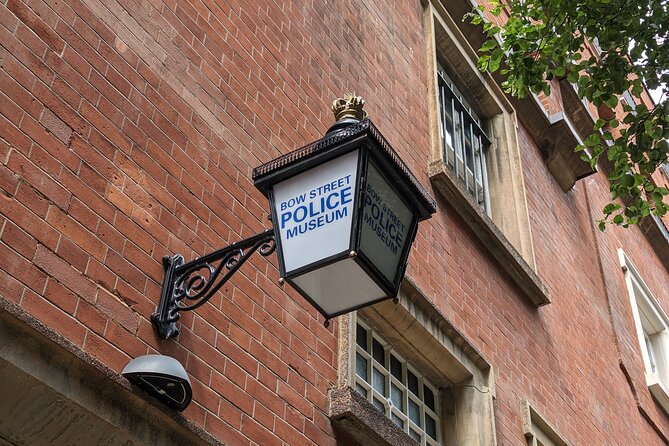
Your first stop is the Bow Street Museum of Crime and Justice. It’s a fitting opener because it sets the tone: this is London through law and order, not just sightseeing.
What I like about beginning here is the way it frames the whole walk. If you understand the Bow Street Runners history first, the later court-related stops feel less random. You’re not just standing in front of impressive buildings, you’re learning how the area’s identity formed around the justice system.
Also, the stop is brief, about five minutes. That’s good for most people. It gives you direction, and it keeps the tour moving so you still get to the more dramatic locations like the Temple and the Old Bailey area.
If you’re the type who wants to read every sign and linger, you might wish for more time here. But for a 2-hour, guided highlights route, it’s a strong start.
Freemasons’ Hall, power structures you can actually picture
Next up is Freemasons’ Hall. This stop shifts the focus from crime and courts to the people and networks that influenced public life.
The listing emphasizes the history of Freemasons’ Hall, and that matters because it adds another layer to what you’re seeing in Holborn. London’s legal and religious institutions did not develop in a vacuum. You start to connect the idea that buildings are physical records of relationships, organization, and status.
The time at the stop is also short, about five minutes. That’s long enough for the big picture, but not long enough to turn it into a full deep reading session. If you enjoy structure and storytelling over long, self-paced museum time, this works.
One practical tip: if you’re curious about any specific detail, ask early. The tour’s whole rhythm is built for quick questions, and this is a good moment to ask because you’re still fresh and not yet at the more intense court-and-prison sites.
Royal Courts of Justice, seeing the law as a neighborhood force
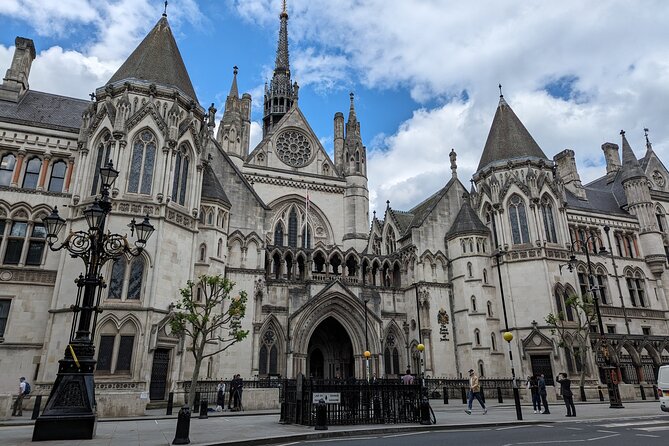
At the Royal Courts of Justice, the tour continues with the history of the courts. This stop is where you’ll likely start thinking, oh, this area isn’t just famous because it’s old.
It’s also the kind of place where the architecture and the institution are inseparable. Even without running through every legal historical fact, you’ll come away with a better sense of why people historically gathered here and why the surrounding streets grew into a legal center.
What makes this useful is that the tour doesn’t treat courts like a separate world. It keeps them in the same story as the earlier crime and justice references. The result: the neighborhood feels like one continuous chapter, not a grab bag of landmarks.
Again, it’s about five minutes. If you want photographs, do them during your guided orientation, then keep walking. If you stop too long, you’ll miss the “linked story” effect.
Same part of England, a different sort of day out:
- Stonehenge, Windsor Castle and Bath with Pub Lunch in Lacock
★ 4.5 · 7,402 reviews - Tower of London and Crown Jewels Exhibition Ticket
★ 4.5 · 6,677 reviews - Thorpe Park Admission Ticket
★ 4.0 · 5,915 reviews - Stonehenge, Windsor Castle and Bath Full Day Guided Tour
★ 4.5 · 5,346 reviews
Temple Church and the Knights Templar, where religion meets institutional power
Temple Church is one of the stops people usually remember. The tour connects it to the history of the Knights Templar and Temple Church, and it lands right in the middle of your justice-and-crime route.
This is the part where medieval Britain stops being a vague school topic and becomes something you can point at in the real city. The guide’s job here is to show how religious groups and older institutions influenced the shape and meaning of the area. Even if you already know a bit, a walking tour explanation helps you connect the dots faster than solo reading.
There’s also a comfort factor: this stop gives your brain a different kind of information. You move from court machinery to religious legacy and then back to legal settings. That change keeps the tour lively.
My advice: at this stop, ask about what shaped Holborn’s identity over time. It’s exactly the kind of question that the tour format supports, because the next stops will build on it.
The London Silver Vaults stop, a fun detour with a reason
Then you’ll be led to the London Silver Vaults, described as the world’s largest collection of retail silver. That sounds like it could be a random retail detour, but it plays a role.
In a tour that otherwise focuses on law, justice, and medieval influence, this stop breaks the pattern. It gives your feet a slight mental reset. Plus, it adds a “London is more than one theme” reminder. The city may be built on institutions, but it’s also built on commerce and everyday culture.
Even if silver shops aren’t your priority, you can treat this as a palate cleanser. Use it to regroup before the last stretch, which shifts again toward Inns of Chancery and then the Old Bailey.
Staple Inn, the last surviving Inns of Chancery clue
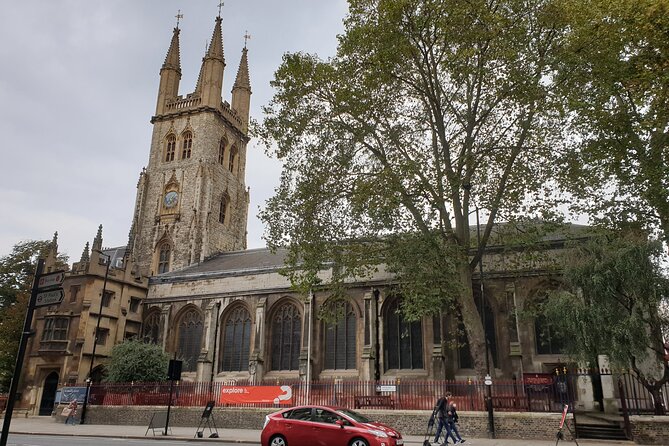
Staple Inn is next, and it’s described as the last remaining of the Inns of Chancery buildings. This is one of those facts that changes how you look at what’s standing in front of you.
Instead of only thinking in terms of famous courts, you start thinking about the legal neighborhood ecosystem. Inns of Chancery were part of the machinery of legal training and practice, and Staple Inn being the last remaining means it carries weight. This is the kind of stop where, even with limited time, the explanation helps you realize what you’re seeing.
The tour doesn’t ask you to do homework. You’ll get enough context to understand why this surviving piece of the neighborhood matters.
If you like architecture, take a few minutes here to notice details you might otherwise ignore. The building is doing more than looking old. It’s acting like a historical reference point still present in the street.
Old Bailey and the Newgate Prison connection you’ll remember
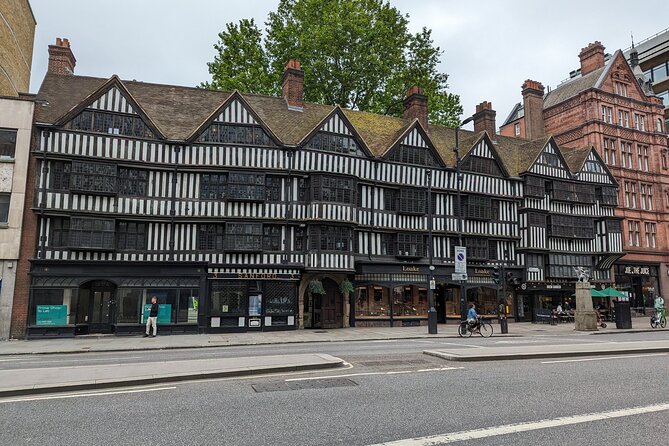
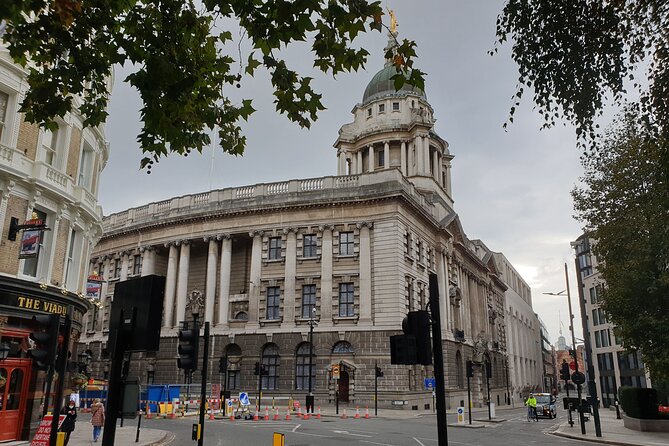
The final stop on your walk is Old Bailey, described as the site of the Central Criminal Court, also known as the Old Bailey, where Newgate Prison once stood.
This is the end point that gives the whole route emotional momentum. Earlier stops talk about crime and justice history and court systems. Old Bailey is where the story becomes concrete in a way you can’t unsee once you learn the connection to Newgate Prison.
It’s also a good closing choice because it turns your earlier learning into something you can visualize. If Dickens-era references and court context felt separate earlier, this stop helps tie them together.
Timing is still short, about five minutes, but that’s fine. By now, you’re ready to synthesize. You don’t need a lecture. You need a final anchor.
When you’re done, you’ll be near the Blackfriars area, so it’s easy to keep going with your day.
Oliver Twist connections in real streets, not just generic Dickens vibes
One of the biggest reasons to do this tour is the Dickens connection. The tour specifically notes that you’ll see locations Charles Dickens used in Oliver Twist.
That matters because “Dickens in London” can be a broad promise. Here, you’re walking to actual places tied to his fiction. The guide’s storytelling helps those references stop being book names and start being street-level landmarks.
I like how this Dickens thread supports the rest of the route. Oliver Twist is all about hardship, institutions, and power. When you pair that with a walk through the justice and court sites, you get a stronger sense of why Dickens would place scenes where he did. You’re not just admiring old architecture. You’re learning how the city’s real systems could feed the kind of story he wrote.
If you’re a Dickens fan, this is your shortcut. If you’re not, it still works because the wider narrative makes the neighborhood easier to understand.
What you’re paying for, and why it’s decent value
The price is listed at $27.42 per person, and the tour runs about 2 hours. You also get a guided walking tour with a maximum group size of 15, and each stop is listed with admission ticket free.
That combination is what makes it feel like value. You are paying mainly for expertise and structure, not for a pile of separate entry fees. The guide’s job is to connect the dots across seven sites, which is hard to replicate well on your own unless you already know the neighborhood deeply.
This is also booked on average about 31 days in advance. That’s a hint that you should not wait until the last minute if you want a slot that fits your schedule.
If you’re budget-minded, check your expectations. This isn’t a full museum marathon. It’s a guided highlights sweep where the information is meant to stick and help you decide what to visit on your own later.
How the itinerary rhythm affects your day
Here’s how the timing can affect your experience. Each stop is about five minutes. That means you get a quick orientation plus context, then you move on. The upside is momentum. The downside is that you cannot expect to read everything slowly or spend long periods taking photos.
So plan around it:
- Bring comfy shoes and accept that you’ll cover more than you’d do in a single “sit and look” attraction.
- Use your questions as your “personalization.” This tour’s format is built for Q&A.
- If one stop grabs you, consider it your list item for a later, self-paced revisit.
The tour also runs in English, which is helpful if you prefer straightforward, spoken explanations rather than printed materials.
Who this Holborn walk suits best
This tour is a strong match if you want a focused, narrative walking experience. It’s also ideal if you enjoy legal and institutional history, because the route goes straight through places tied to crime, courts, and older legal structures.
You’ll likely like it if:
- you’re interested in Charles Dickens and Oliver Twist locations
- you enjoy places with real-world context, especially courts and justice sites
- you want a small group atmosphere where asking questions feels normal
- you’re planning a London day and want a route that naturally links to more sightseeing afterward
It’s not the best choice if you hate walking, or if you can’t cover about two miles at a reasonable pace.
Should you book Turmoil, Templars & Oliver Twist London’s Squalor and Splendour?
Yes, with the right expectations.
Book it if you want a guided, easy-to-follow story through Holborn that connects Oliver Twist locations with courts, medieval influence, and even a surprising detour into retail silver. It’s also a good choice when you value a guide who actually answers questions, and when you want free-entry stops so your money goes toward the experience, not the receipts.
Skip it if you want slow museum time or if walking a little over two miles feels like a bad fit. Also, if you already know everything about every stop, you may want a longer, deeper tour instead.
If you’re trying to understand London’s “how it works” side while still getting the fun of literature, this one gives you a clean, memorable route in just two hours.
FAQ
How long is the tour?
The tour lasts about 2 hours.
What does the tour cost?
The price is listed as $27.42 per person.
What is the maximum group size?
The group is capped at 15 travelers.
Is the tour offered in English?
Yes, the tour is offered in English.
Do I get a mobile ticket?
Yes, it includes a mobile ticket.
Where does the tour start and where does it end?
It starts at Covent Garden Underground Ltd, Long Acre, London WC2E 9JT, UK. It ends at Superdrug Health Clinic, 36-37 New Bridge St, London EC4V 6BJ, UK, near Blackfriars Station.
Is there admission cost at the stops?
The stops are listed with admission ticket free.
Is the tour suitable if I cannot walk about two miles?
It is not recommended if you are unable to walk two miles at a reasonable pace.
What is the cancellation window for a full refund?
You can cancel for a full refund up to 24 hours before the experience starts.
Recently added around London
- Up at The O2:Twilight Climb with Guided Tour with Panoramic Views★ 5.0 · 50 reviews
- Up at The O2: Sunset Climb with Guided Tour with Panoramic Views★ 5.0 · 110 reviews
- Devour London: Borough Market & Leadenhall Food Tour with Wine★ 5.0 · 68 reviews
- Ultimate Soho and Chinatown Food Walking Tour in London★ 5.0 · 65 reviews
- Ultimate introduction to photography in Central London★ 5.0 · 19 reviews
- 6 hour London Private Tour, with your own Black Cab Tour Guide★ 5.0 · 23 reviews
- London Private Tour with Exclusive Car and Options★ 5.0 · 6 reviews
- Ultimate Royal London: Tower of London & City of Westminster Tour★ 5.0 · 38 reviews
London Tours, compared.

Stonehenge, Windsor Castle, and Bath from London
Read our review →
London Big Bus Hop-On Hop-Off Tour with Optional River Cruise
Read our review →
Stonehenge, Windsor Castle and Bath with Pub Lunch in Lacock
Read our review →
Tower of London and Crown Jewels Exhibition Ticket
Read our review →
Stonehenge, Windsor Castle and Bath Full Day Guided Tour
Read our review →
Windsor Castle, Stonehenge, and Oxford Day Trip from London
Read our review →