
Reviewed · PHOTOGRAPHY SESSIONS
Ultimate introduction to photography in Central London
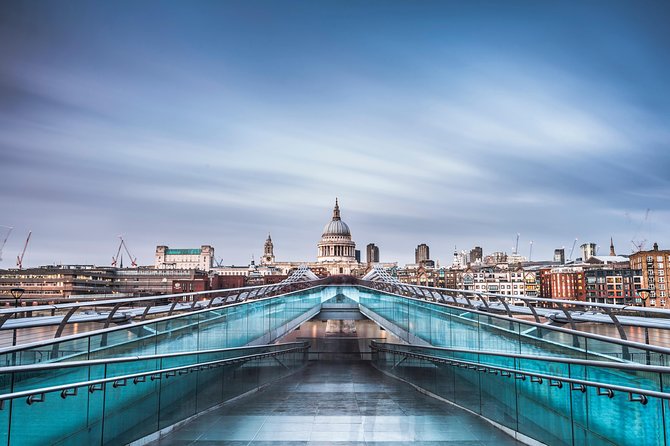
London at dusk becomes a learning lab. This 5.5-hour Central London class taught by Matthew is interesting because you practice as you go, shooting real landmarks like the London Eye and St. Paul’s while you learn ISO, shutter speed, and aperture. I especially like the small group, capped at eight, which means you get real help instead of rushing through questions. One thing to consider is that the session needs good weather, since the day leans into sunset and blue hour.
I also like the course’s mindset shift. You are not just taught buttons, you are coached to think about composition and story as the light changes from bright afternoon into night. The finish includes a riverside session on the Thames, with a sunset and blue hour or night shoot, so you leave with images you can build on rather than a one-off photo day.
In This Review
- Key highlights that make this workshop worth your time
- Why Central London is the perfect classroom for photography
- The big lesson: understanding ISO, aperture, and shutter speed as one system
- Stop-by-stop shooting along the London Eye, Leake Street arches, and St. Paul’s
- London Eye: learn how to frame big icons without getting lost
- Leake Street Arches: practice composition with texture, color, and lines
- St. Paul’s Cathedral: handle brightness and low contrast areas
- From arches to South Bank action: story, motion, and slow shutter experiments
- Waterloo graffiti tunnels: learn framing where the background tells the story
- South Bank skate park: freeze action, then try blur on purpose
- The Thames finale: sunset, blue hour, and night shooting on your terms
- How you will feel after the workshop: tips, notes, and a new way to look
- Price and value: what $232.25 buys you in real-world coaching
- Who this course fits best in Central London
- Should you book this photography introduction course?
- FAQ
- How long is the Ultimate introduction to photography in Central London workshop?
- What is the maximum group size?
- Where does the workshop meet, and where does it end?
- Which areas or landmarks will we photograph?
- Do you learn about camera settings like ISO, aperture, and shutter speed?
- Is this workshop suitable for beginners and phone camera users?
- Is the workshop offered in English?
- Are service animals allowed?
- What if the weather is poor, or I need to cancel?
Key highlights that make this workshop worth your time
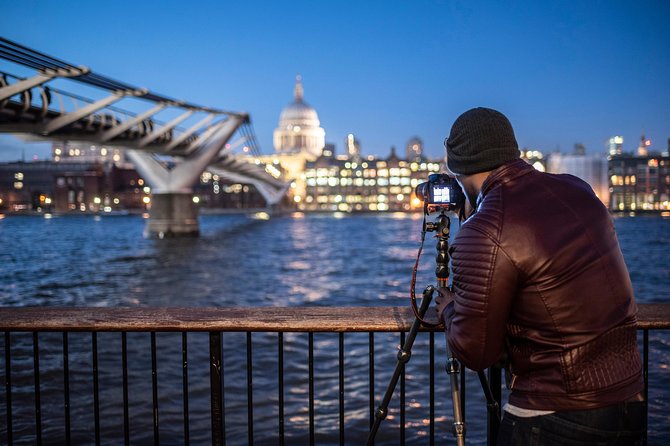
- Max 8 people, pro-led help that keeps the pace friendly and the feedback direct
- Hands-on practice in the field at iconic South Bank spots, not just classroom theory
- Clear, practical camera fundamentals for ISO, aperture, and shutter speed
- Fast action plus slow shutter experiments at places like the skate park and graffiti tunnels
- Thames sunset, blue hour, and night shooting to help you handle low light with confidence
- A proactive photography mindset so you can create photos, not only take them
Why Central London is the perfect classroom for photography
Central London is loud, bright, and full of visual problems to solve, which is exactly why it works for a workshop like this. You get iconic subjects in walking distance, but more importantly, you get different light conditions and backgrounds in one day. That means your learning sticks, because you practice the same concepts across changing scenes.
The best part for me is the teaching style that fits a mixed group. The class size stays small, and Matthew adjusts his pace for different experience levels, from people picking up a camera for the first time to folks trying to use their phone camera more confidently. If you have ever felt stuck because you only know Auto mode, this kind of environment helps you move past it fast.
You are also near public transportation, so the day feels manageable rather than like a travel headache. Plus, the physical side is described as moderate, which matters if you are planning around walking and standing for multiple stops.
A few more London days worth comparing
- Professional Photoshoot in London Photographer
★ 5.0 · 102 reviews - Private landmarks photoshoot for families and couples
★ 5.0 · 92 reviews - Professional Private Photoshoot in London
★ 5.0 · 63 reviews
The big lesson: understanding ISO, aperture, and shutter speed as one system
Most photo classes teach settings like they are separate facts. This one teaches how they work together, which is the real unlock. You start with the basics: shooting modes, focusing, and the three pillars of exposure, ISO, aperture, and shutter speed. The goal is not memorizing numbers. The goal is to understand cause and effect.
Here is how the learning plays out in a way you can actually use:
- ISO helps you manage light in darker scenes, but it also changes the look of your photo. When you understand that trade-off, night photos become less scary.
- Aperture controls depth of field, so you can decide what is sharp and what falls away into blur.
- Shutter speed controls motion. That is how you go from freezing action to creating intentional blur with slow shutter techniques.
What I like is that the class links technical settings to creative results. You do not just hear that shutter speed affects motion, you use it to photograph dynamic scenes up close and then later experiment with slower shutter speeds as evening arrives. That step-by-step progression is how you stop feeling like settings are random sliders.
The other key piece is the teaching of the thought process. You practice a proactive way of seeing, so you learn to plan your shot before you press the shutter. That mindset is what lets you apply the skills outside the workshop, not only during it.
Stop-by-stop shooting along the London Eye, Leake Street arches, and St. Paul’s
This route is built for variety. You start with dramatic landmarks and then shift into areas that test composition, texture, and framing. Each stop gives you something different to work on, so the day does not blur into one long walk of pictures.
London Eye: learn how to frame big icons without getting lost
At the London Eye, you get a subject that is recognizable from nearly anywhere. That is useful, because it lets you focus on composition instead of searching for something to photograph. You also deal with changing angles as you move, which is a practical lesson: your best shot often happens when you reposition.
This is also where camera basics matter. If your exposure is off, large bright structures will blow out or go muddy. Understanding ISO, aperture, and shutter speed early helps you correct quickly and keep control.
Same part of England, a different sort of day out:
- Stonehenge, Windsor Castle, and Bath from London
★ 4.5 · 18,662 reviews - London Big Bus Hop-On Hop-Off Tour with Optional River Cruise
★ 3.5 · 10,803 reviews - London Small Group Tour of Historical Pubs
★ 5.0 · 10,422 reviews - Stonehenge, Windsor Castle and Bath with Pub Lunch in Lacock
★ 4.5 · 7,402 reviews
Leake Street Arches: practice composition with texture, color, and lines
Leake Street Arches is all about surfaces. The arches give you strong lines, repeating shapes, and a background that makes framing feel like a puzzle. That is great for learning because composition becomes more than rule-following. You start choosing where the eye lands.
It is also a scene that can look very different depending on lighting. Even if you are not thinking about “photography lighting” yet, you learn how your settings behave in a real urban environment.
One drawback to be aware of here is that street scenes can be busy. You might need to wait for clearer views or simpler backgrounds. That is not a failure of the course. It is part of learning how to create photos in real life.
St. Paul’s Cathedral: handle brightness and low contrast areas
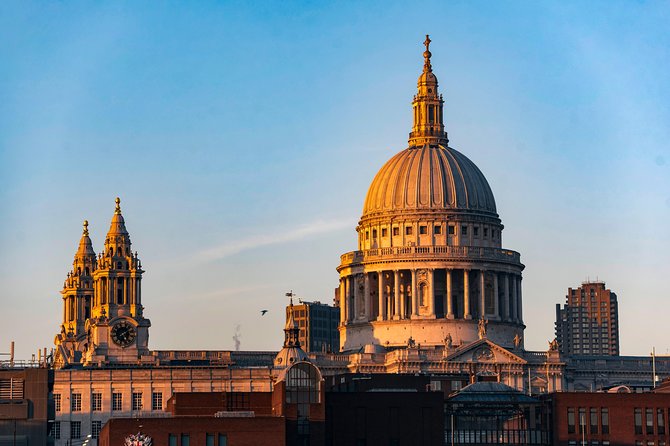
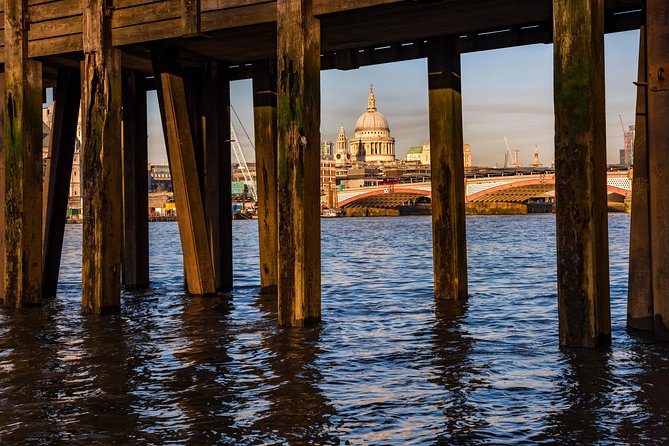
St. Paul’s adds a different type of challenge. Big stone shapes and ornate details can look stunning, but they can also trap your exposure if you only use one setting and hope for the best. You learn how to control exposure so highlights stay readable and darker areas do not swallow detail.
This stop is also where focusing practice matters. If your camera is hunting or your focus point is wrong, your cathedral shots will feel flat. The workshop’s focusing instruction helps you get sharper results faster.
From arches to South Bank action: story, motion, and slow shutter experiments
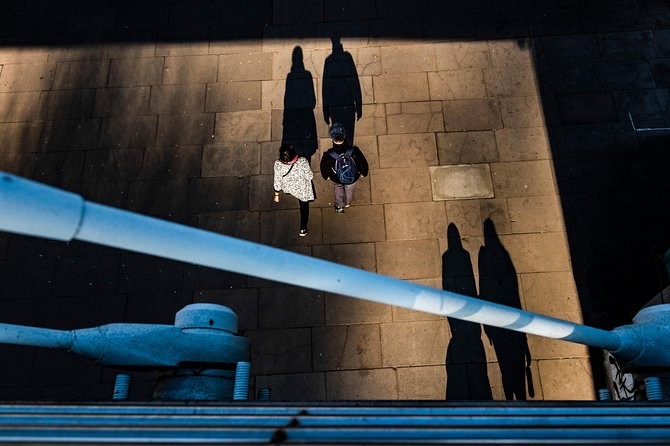
Once you have the basics in your head, the day shifts toward scenes where you can test them creatively. This is where the course starts to feel like a photographer’s outing, not just a settings lesson.
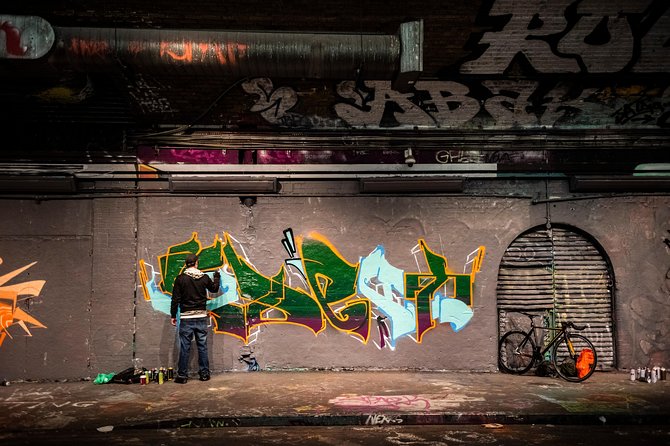
You work in areas tied to Waterloo graffiti tunnels and the South Bank skate park. Those two locations together are a smart pairing. The graffiti tunnels bring texture, color, and layered backgrounds. The skate park brings movement and timing.
Waterloo graffiti tunnels: learn framing where the background tells the story
Graffiti tunnels can be visually chaotic, in a good way. They teach you how to simplify. You learn to decide what is the subject and what is the supporting environment.
This connects directly to the course’s emphasis on thinking. You practice capturing a photo in your mind’s eye, then building toward it with framing and exposure. Instead of shooting everything, you learn to choose a direction.
South Bank skate park: freeze action, then try blur on purpose
At the skate park, you get motion right in front of you. That is perfect for shutter speed lessons. You can attempt shots that freeze movement for clarity, then later use slower shutter speeds to create intentional blur and a sense of speed.
This is also where the group size matters. In a bigger class, you might only try one or two settings and move on. With a small group, you can test, adjust, and get feedback while you still have the same action happening.
If you love street-style photography, this part is especially satisfying. You start to see how technical choices create mood, not just brightness.
The Thames finale: sunset, blue hour, and night shooting on your terms
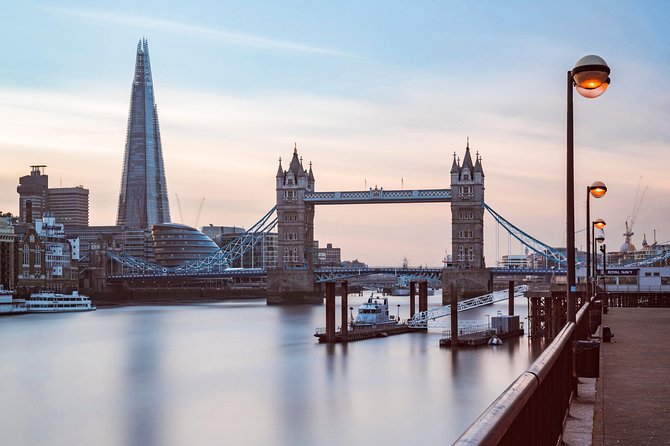
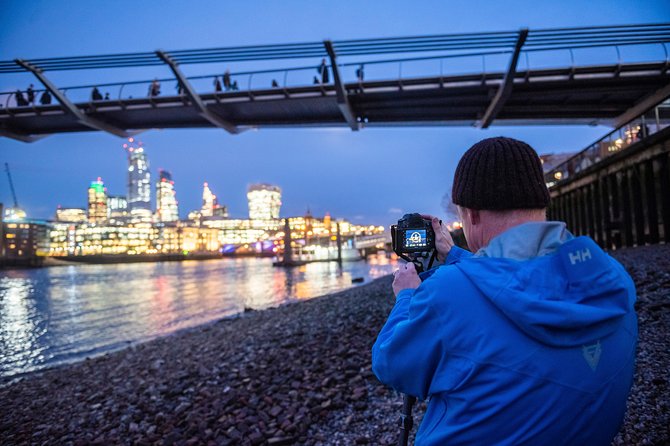
The end of the workshop is where you see progress. The session finishes with a riverside shoot looking over the Thames, using a sunset and blue hour or night setup. That timing is not an accident. You get multiple lighting phases, so you learn what changes your settings actually need.
Blue hour is the sweet spot for many photographers because the light is soft, but it is not bright like midday. You often get a balance where city elements glow and the sky has depth. Night shooting then tests your ability to keep exposure controlled without losing your creative intent.
What I like about this finish is that it ties everything together:
- ISO choices start to matter more as the light drops.
- Aperture affects how much stays in focus when you are working with layered city details.
- Shutter speed becomes a creative tool, letting you either stop movement or smooth it out.
You also have the chance to take what you practiced earlier and apply it immediately. When a teacher can point out adjustments on the spot, it builds confidence quickly.
How you will feel after the workshop: tips, notes, and a new way to look
The course is designed so you do more than leave with a few decent photos. You leave with a way to improve on your next shoot.
From what I’ve seen in the learning approach, the best results come from two things:
- You understand what each setting is doing, instead of treating it like a mystery menu.
- You start thinking about composition as a plan, not a guess.
People in the group have ranged from first-time manual shooters to parents teaching alongside their kids, and even retirees refining how they use phone cameras. That mix is a strong hint that the workshop meets you where you are, then guides you to better control.
If you like structure, you likely will appreciate that you get a clear route and a clear progression. It is not random wandering. It is practice toward an end goal, then more practice when the sky changes.
Price and value: what $232.25 buys you in real-world coaching
At $232.25 per person for about 5 hours 30 minutes, this is not the cheapest way to learn photography. But you are paying for two things that usually cost more when you do them separately: small-group coaching and time spent in the field.
A big value point is the cap at eight people. In photography learning, feedback is everything. If you are alone or with a crowd, you tend to take photos and hope the next one is better. Here, you can ask questions while you are still at the scene that makes those questions relevant.
You also get a day built around multiple lighting challenges and recognizable subjects: London Eye views, arches textures, cathedral framing, South Bank motion, then Thames sunset and blue hour or night. That range is hard to reproduce cheaply on your own if you do not already know what to try.
In short: the price feels fair when you want a guided shortcut through the technical basics and the creative mindset.
Who this course fits best in Central London
This workshop is a great fit if you:
- Are new to manual settings and want a clear path from Auto mode
- Want to understand ISO, aperture, and shutter speed without getting lost in jargon
- Like the idea of learning composition and photo thinking, not only exposure math
- Enjoy practical photo stops in real London locations, including the London Eye area, Leake Street Arches, South Bank skate scenes, and the Thames
- Prefer a small group over a large tour crowd
It might be less ideal if you expect a purely scenic walk or if you dislike low-light conditions. The day includes evening shooting, and it depends on good weather to work as planned.
Should you book this photography introduction course?
If you want to improve fast with real feedback, I would book it. The combination of small group size, in-field practice, and teaching that connects settings to creative choices is exactly what makes photography learning stick.
I’d especially consider this if you have been frustrated by confusing settings like ISO, f/stops, and shutter speed, or if you have been relying on Auto and your photos look good only by luck. The Thames ending is a strong payoff too, since you get to practice what you learned just as the light gets tougher.
FAQ
How long is the Ultimate introduction to photography in Central London workshop?
It lasts about 5 hours 30 minutes.
What is the maximum group size?
The workshop has a maximum of 8 travelers.
Where does the workshop meet, and where does it end?
It starts at Starbucks Coffee, Belvedere Rd, London SE1 7GQ, UK, and ends back at the meeting point.
Which areas or landmarks will we photograph?
You will photograph places including the London Eye, Leake Street Arches, St. Paul’s Cathedral, the Waterloo graffiti tunnels area, the South Bank skate park, and a riverside sunset and blue hour or night shoot over the Thames.
Do you learn about camera settings like ISO, aperture, and shutter speed?
Yes. The workshop covers the basics of ISO, aperture, shutter speeds, shooting modes, and focusing, and how these work together.
Is this workshop suitable for beginners and phone camera users?
The workshop is taught to people who are starting out, including beginners learning manual settings and people looking to use phone cameras more effectively. You should be able to join whether you are brand new or upgrading your skills.
Is the workshop offered in English?
Yes, it is offered in English.
Are service animals allowed?
Yes, service animals are allowed.
What if the weather is poor, or I need to cancel?
The experience requires good weather. If it is canceled due to poor weather, you will be offered a different date or a full refund. You can cancel for a full refund up to 24 hours in advance of the experience start time.
Recently added around London
- Up at The O2:Twilight Climb with Guided Tour with Panoramic Views★ 5.0 · 50 reviews
- Up at The O2: Sunset Climb with Guided Tour with Panoramic Views★ 5.0 · 110 reviews
- Devour London: Borough Market & Leadenhall Food Tour with Wine★ 5.0 · 68 reviews
- Ultimate Soho and Chinatown Food Walking Tour in London★ 5.0 · 65 reviews
- Turmoil, Templars & Oliver Twist London’s Squalor and Splendour★ 5.0 · 32 reviews
- 6 hour London Private Tour, with your own Black Cab Tour Guide★ 5.0 · 23 reviews
- Ultimate Royal London: Tower of London & City of Westminster Tour★ 5.0 · 38 reviews
- London to Southampton Port – Transfer with Sightseeing★ 5.0 · 18 reviews
Photography Sessions, compared.
Professional Photoshoot in London Photographer
Read our review →
Private landmarks photoshoot for families and couples
Read our review →
30 Major London Attractions Walking Tour With Photos
Read our review →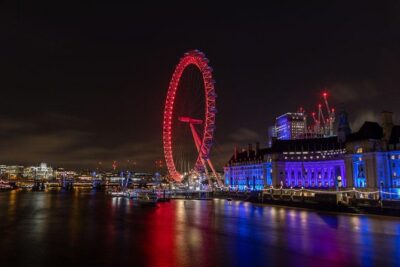
Browse the lists this tour appears in