
Reviewed · LIVERPOOL TOURS
Western Approaches Self Guided Tour
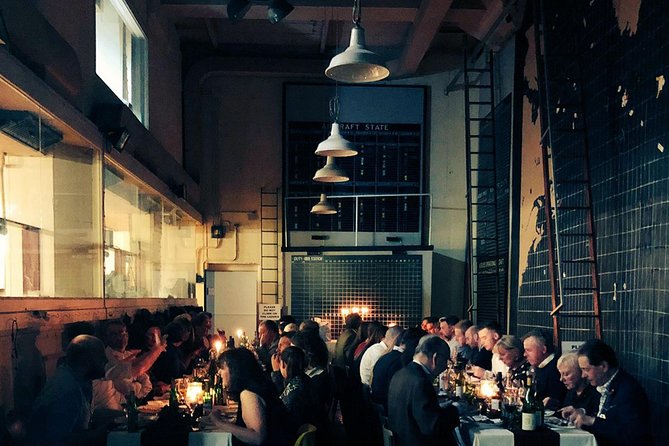
A WWII bunker under Liverpool City Hall gives real chills. You walk rooms that were built to protect Allied convoy intelligence, and the experience is set up to help you see how the Battle of the Atlantic was managed minute by minute.
I especially liked the Battle of the Atlantic Map Room presentation and the fact that it feels like the place was left almost as it was on 15 August 1945. The museum also mixes big operational geography with personal working details, so it feels practical, not just theatrical.
I love that this is a hassle-free self guided visit. You get to choose your pace, and there is room to sit down, look closely, and linger on the war tools and working spaces.
I also love the annual return admission built into the experience, so you are not pressured to see everything in one go. If you want to come back and focus on a different slice of the story later, you can.
One consideration: compared with London’s more hands-on war museums, this can feel more static and text-heavy in places. Also, there are steps down into the bunker, so plan for that before you commit.
In This Review
- Key things to know before you go
- Entering Western Approaches HQ, the secret WWII bunker under Liverpool
- The Battle of the Atlantic Map Room, where convoy decisions were made
- Walking the corridors, seeing the tools, and spotting real wartime tech
- Hands-on touches: telephone exchange, typewriters, teleprinters, and uniforms
- How long it takes, and what self-guided pacing really means
- Price and value in Liverpool, plus the annual return admission
- Who should book this self guided museum visit
- FAQ
- What is the duration of the Western Approaches self guided tour?
- Where is the museum located?
- Is this experience self guided?
- What does my ticket include?
- Are mobile tickets used?
- What language is the experience offered in?
- What are the opening hours?
- Is there anything to eat or drink during the visit?
- Are there steps or physical access considerations?
- Can I bring a service animal?
- Should you book Western Approaches self guided in Liverpool?
Key things to know before you go
- Secret WW2 bunker layout underneath Liverpool City Centre, built for intelligence work during the Battle of the Atlantic
- Battle of the Atlantic Map Room remains in the same setup as when the doors closed in August 1945
- Self guided freedom, with enough space to sit, read, and inspect working areas
- Hands-on style displays, including a telephone exchange, typewriters, teleprinter machines, and uniform try-ons
- Wartime phone and communications tools that show how information stayed secret from the enemy
- Hot drinks at war time prices plus a short film and traditional games at the end
Entering Western Approaches HQ, the secret WWII bunker under Liverpool
This is one of those places where the setting does half the storytelling. Western Approaches HQ sits under Liverpool’s city centre, close to the Town Hall, and the whole experience is built around the idea that you are stepping into a working intelligence command, not just looking at artifacts behind glass. The result is that you feel the purpose of the building immediately.
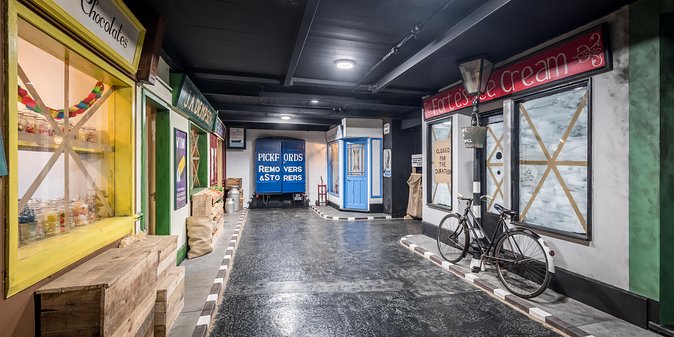
Your visit is self guided, so there is no group herding you from room to room. You start at street level, then descend into the bunker spaces. The museum keeps the wartime tone in its design choices, including rooms that feel like you could find someone still working if you look hard enough.
Location is convenient, too. It is a short walk from the Albert Dock area, and it sits near public transportation. That matters because you can pair it with other Liverpool stops without turning it into a full day plan. I like that kind of flexibility, especially in a city where you might also want time by the water or in the centre.
If you have any mobility concerns, read the fine print and plan your route. There are steps down into the bunker, and that shape of access is part of the experience. Wear shoes you trust on steps and keep your pace steady.
More self-guided tours in Liverpool:
- Liverpool Ghost Hunt: Paranormal Detective Self-Guided Game
★ 4.5 · 26 reviews - Private Liverpool Self-Guided Tour
★ 4.5 · 19 reviews - Golden Tours York Hop-on Hop-off Open Top Bus Tour with Audio Guide
★ 4.5 · 468 reviews
The Battle of the Atlantic Map Room, where convoy decisions were made
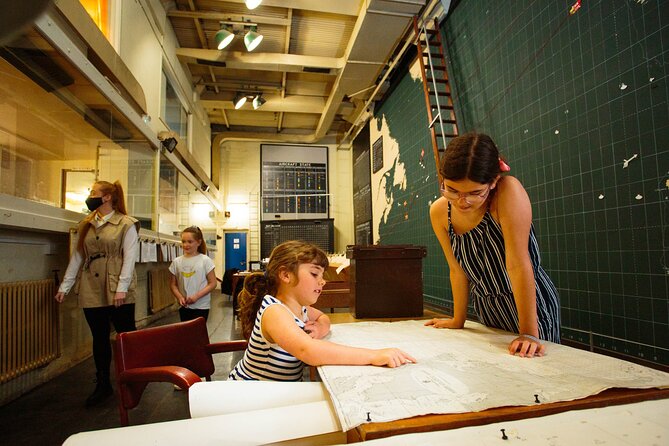
The highlight for most people is the Map Room. This is the nerve centre of the bunker, the place where commanders, and members of the WRNS and WAAF teams, worked around the clock to monitor convoy routes and shipping lines. It is presented as a huge operational map workspace laid across the table, with accuracy treated like a life-or-death job.
What I like here is the way the museum connects the dots between information and action. The story is not just that they watched ships. It is how they pinpointed enemy locations and then enabled the Royal Navy to contact and destroy threats. You can feel the pressure behind that logic: to get it wrong means the enemy benefits.
The Map Room also has a specific, almost eerie detail: the room has remained exactly as it was left when the doors closed on 15 August 1945. That is not a generic museum line. It is the kind of detail that changes your attention as you walk in. Instead of thinking about reconstruction, you start thinking about time stopping.
Even in a self guided format, this part works because you are given a clear focus. Look for the scale, the map layout, and the concept that every marked location mattered. It is a strong reminder that modern warfare is often paperwork and positioning as much as it is bullets.
Walking the corridors, seeing the tools, and spotting real wartime tech
One of the most compelling aspects is the range of wartime working spaces you can move through. The tour is built like a walk through the bunker experience, with hidden rooms, corridors, and display areas that relate to tactics and intelligence. You also get moments where you can sit down and interact with the “how did they actually work” side of the war.
The museum highlights documents and tools used to monitor enemy convoys and report findings to the British government while keeping intelligence secret from the enemy. That secrecy theme is important. It is not just about gathering information, it is about controlling what the enemy can learn.
A standout detail is the presence of one of only two surviving wartime phones with a direct connection to the war cabinet in London. That kind of specificity is rare in small museums. Here it makes the communications story more than a concept. You can stand near the phone and think about how nerve-wracking it must have been to pass critical messages under pressure.
You will also see how different roles fit into the operation. The museum references the work of commanders and service personnel, and it includes working spaces tied to women’s roles through units like the WRNS and WAAF. If your war interests usually lean toward naval history, this section expands the story without pushing it into a side note.
Hands-on touches: telephone exchange, typewriters, teleprinters, and uniforms
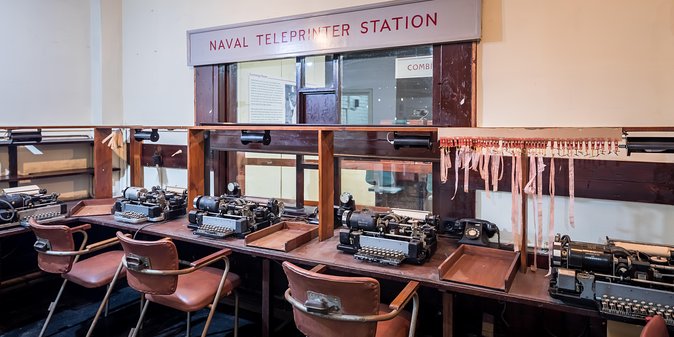
This is not a hands-on theme park, but it does include interactive style features. You can move through areas where you can try on uniforms and look at telecom and office tech that powered intelligence operations. If you like history with mechanics, you will probably enjoy the variety here.
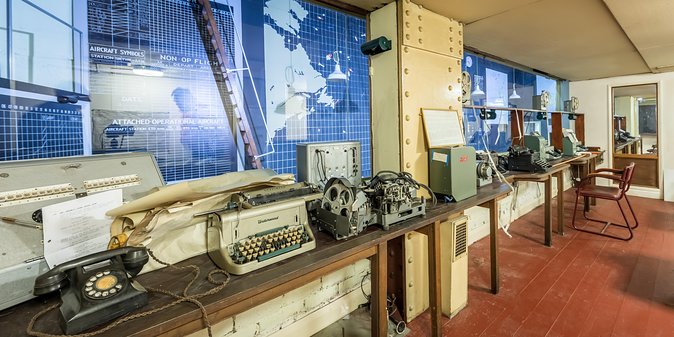
You can spend time at the telephone exchange, and the museum also includes typewriters and teleprinter machines. These are the kinds of tools that connect the story of the war to everyday technology used by people sitting at desks. Even when displays are not fully interactive, the chance to see how equipment looked and how it was arranged helps you picture workflow.
One practical tip: take a slow pass once through the rooms, then do a second focus pass if you still have energy. The bunker layout rewards attention. You notice more the second time, especially around communications and map-related display areas.
Hot drinks are available at the end of the tour at war time prices, plus traditional games and a film about life in Liverpool during the war. The food and drink part may sound minor, but it is a smart pacing tool. After you have been in a tunnel-like setting, it is nice to reset with something warm and a short film.
A few more Liverpool days worth comparing
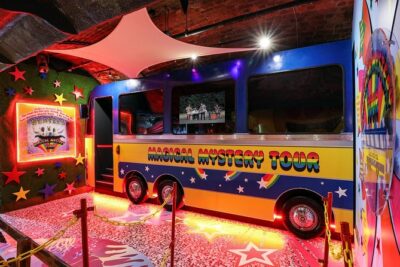
- Beatles Magical Mystery Tour
★ 5.0 · 9,266 reviews - Liverpool: “Blue Route” – City & Beatles Tour
★ 5.0 · 8,562 reviews - Liverpool City Sights Hop On Hop Off City Tour – 24hr Ticket
★ 4.5 · 2,555 reviews - The LFC Stadium Tour
★ 5.0 · 1,548 reviews
How long it takes, and what self-guided pacing really means
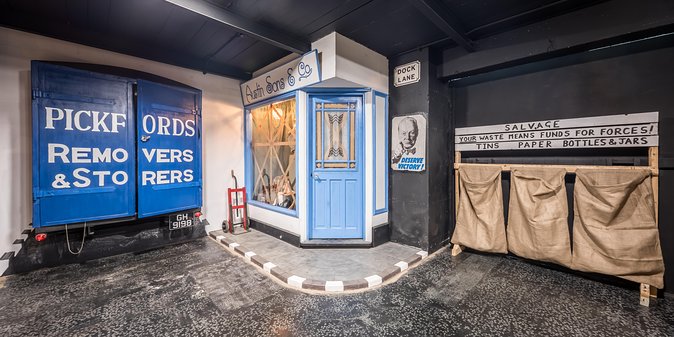
The typical visit clocks in around 1 to 2 hours. In practice, that range depends on whether you read everything closely or skim to catch the big picture.
I like that self guided format because the museum is set up to support multiple speeds. If you want a quick sweep, you can hit the core rooms and the Map Room and still feel like you got the main idea. If you want the slower, detail-focused approach, you can sit at desks, examine display equipment, and absorb more of the written context.
The museum also seems to be actively maintained and refined, and that can affect how long you stay. New items or small upgrades can make a return visit more interesting later, which ties back into the annual return admission included with your ticket.
If you come during busier hours, keep your expectations realistic. You are walking a series of rooms in a bunker setting, not circulating through a huge open-air site. Still, the experience does not feel like you are being rushed, and that is a big deal for a place like this.
Price and value in Liverpool, plus the annual return admission
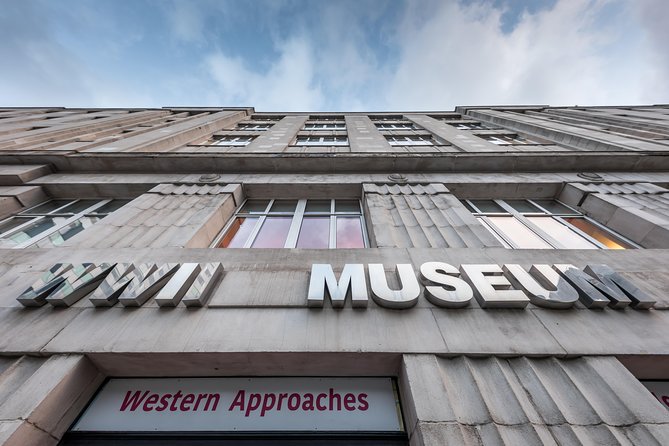
The price is $24.26 per person, and for what you get, it is a fair value for a focused war history stop. This is a dedicated museum experience with a specific, high-impact setting: a secret WWII bunker HQ tied to the Battle of the Atlantic. You are paying for the setting and the story structure, not just for a few exhibits.
The value gets better because the experience includes an annual pass, letting you enjoy free return admission within 12 months. That means you can treat your first visit as the overview, then come back when you have more time to concentrate. If you care about specific details like communications tools or the map operations theme, a second visit can feel genuinely different.
Also, the museum includes admission to the Western Approaches HQ Museum itself. So you are not piecing together multiple stops or paying separate fees once you arrive.
Bottom line: if you are the type who likes war history with a physical sense of place, this price makes sense. If you want big interactive thrills, you might find it less satisfying than the biggest immersive museums. But as a compact, self guided bunker visit, it holds its own.
Who should book this self guided museum visit
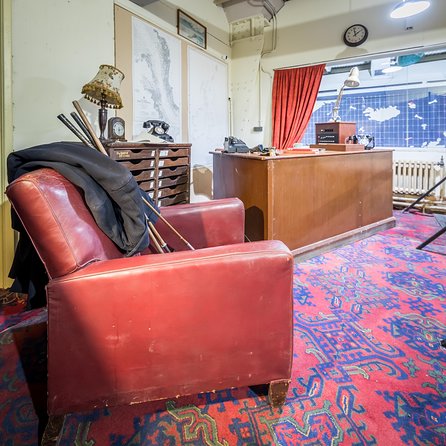
This experience fits best if you like WWII history and specifically the Battle of the Atlantic story. It also works well if you are interested in intelligence work, communications, and the roles that helped keep those operations running through the war.
You will probably enjoy it if:
- You like settings that feel authentic and purposeful, not just display cases
- You want to learn how convoy monitoring and information flow supported Allied victory
- You appreciate details like the Map Room remaining in its original setup
- You want a self paced experience that you can do in about 1 to 2 hours
If you are traveling with kids, it can still work because there are hands-on style elements and the uniform try-ons plus the end-of-tour film and games. If your group needs very fast pacing, you may need to manage time, because reading and watching is part of how the museum tells the story.
If you are comparing it against the most famous war museums in the UK, be aware it may feel more text-forward and less multimedia heavy in some areas. That is not a deal breaker, but it affects expectations.
FAQ
What is the duration of the Western Approaches self guided tour?
It lasts about 1 to 2 hours.
Where is the museum located?
It is in Liverpool, England, close to the Town Hall in the city centre.
Is this experience self guided?
Yes. You explore the museum in your own time.
What does my ticket include?
Entry to the Western Approaches HQ Museum, including The Battle of the Atlantic Experience, is included.
Are mobile tickets used?
Yes, you receive a mobile ticket.
What language is the experience offered in?
The experience is offered in English.
What are the opening hours?
It runs daily from 10:00 AM to 6:00 PM (Monday to Sunday) within the listed date range.
Is there anything to eat or drink during the visit?
Hot drinks are available at the end of the tour at war time prices.
Are there steps or physical access considerations?
There are steps down into the bunker, so you should plan for that.
Can I bring a service animal?
Yes, service animals are allowed.
Should you book Western Approaches self guided in Liverpool?
If you want a tight, high-value WWII stop that teaches you how the Battle of the Atlantic was coordinated, I would book it. The Map Room setup, the communications focus, and the fact that you can wander at your own pace make it feel worth the time. Add the annual return admission, and you have a built-in excuse to come back if you want to revisit the details later.
I would skip or reconsider if you specifically need lots of modern interactive technology throughout, because some parts lean more on static displays and written descriptions. Still, for a self guided bunker experience tied to real intelligence history, this one earns its strong reputation.
Recently added around Liverpool
- Half Day Welcome to Liverpool Walking Tour★ 5.0 · 17 reviews
- Ultimate Ticket To Ride Beatles Half-Day Shore Excursion- Private★ 5.0 · 6 reviews
- The Story of Liverpool 2-Hour Walking Tour★ 5.0 · 3 reviews
- The Music and Art of Sefton Park★ 5.0 · 17 reviews
- Beatles Ticket To Ride Half Day Tour Small Groups★ 5.0 · 60 reviews
- Liverpool Wine Tour Experience★ 5.0 · 5 reviews
- Original 3-Hour Beatles Tour★ 5.0 · 3 reviews
- The Liverpool Pass®: All top attractions inc. Hop-On Hop-Off Bus Tour | 2-Days★ 4.5 · 11 reviews
Liverpool Tours, compared.
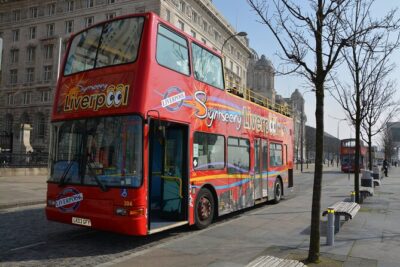
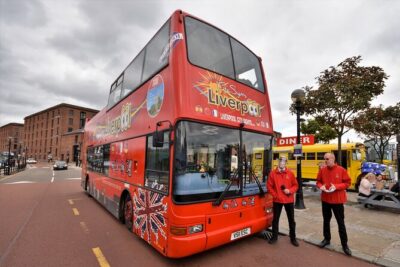
Liverpool City Sights Hop On Hop Off City Tour – 24hr Ticket
Read our review →


Private 3-Hour Guided Beatles Classic Tour of Liverpool
Read our review →
Mad Day Out Beatles Taxi Tours in Liverpool, England
Read our review →Browse the lists this tour appears in