
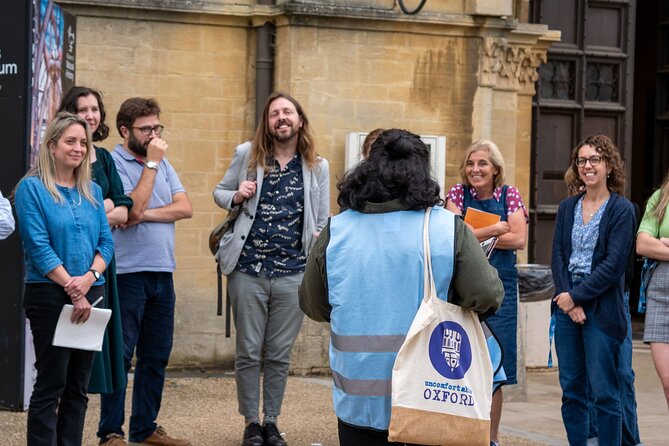
Reviewed · MUSEUMS
Natural History Museum Tour – by Uncomfortable Oxford™
Oxford can feel like all spires and sunshine. This tour uses museum rooms to talk about power, empire, and what that means today.
What I like most is the discussion style. It is not a lecture, and it does not get preachy, even when the topics are uncomfortable. The second big plus is the museum entry value. You do not just look from the outside, you go in and then connect what you see to the bigger story.
One thing to consider: the whole experience is about 90 minutes, so if you show up late or you miss the meeting moment, there is not much slack in the schedule.
In This Review
- Key points worth knowing before you go
- Oxford’s Natural History Museum Start: Empire Hiding in Plain Sight
- Discussion-Based Touring: How the Conversation Stays Human
- From Natural History to Pitt Rivers: Seeing Collections as Arguments
- Oxford’s Walking Stretch: How the City Becomes a Classroom
- Timing, Group Size, and Where to Meet on Parks Rd
- Price and Value: Why $96.11 Can Be Worth It
- What to Expect From the Guide Experience
- Who This Tour Fits Best in Your Oxford Plan
- Should You Book Uncomfortable Oxford’s Natural History Tour?
- FAQ
- How long is the Natural History Museum Tour in Oxford?
- How much does the tour cost per person?
- Where does the tour start?
- Is the tour offered in English?
- Does the tour include museum entry?
- What is the group size limit?
- How do I get the ticket?
- Is it near public transportation, and are service animals allowed?
- Will I get confirmation after booking?
- What is the cancellation policy?
Key points worth knowing before you go
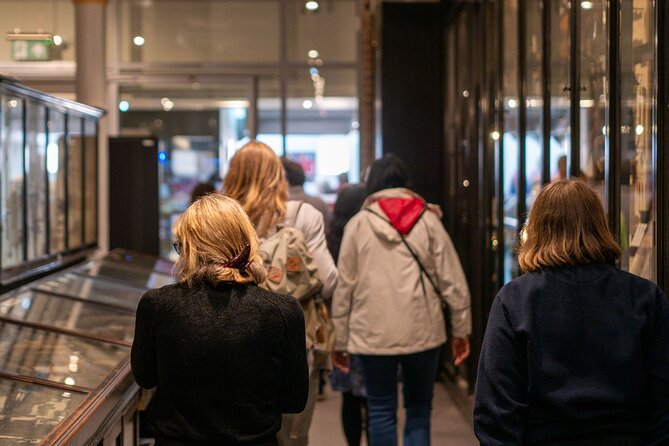
- Starts at Oxford University Museum of Natural History on Parks Rd, Oxford
- Small group size with a maximum of 15 people, so discussions can actually happen
- Museum entry included as part of the walking route (natural history plus additional museums)
- Respectful, participant-friendly conversations about British Empire and colonialism
- Guides named Ffion, Devika, and Cameron are praised for keeping the group together and sustaining good dialogue
- A rare coordination hiccup can happen, so arrive early and keep your phone ready at the start time
Oxford’s Natural History Museum Start: Empire Hiding in Plain Sight
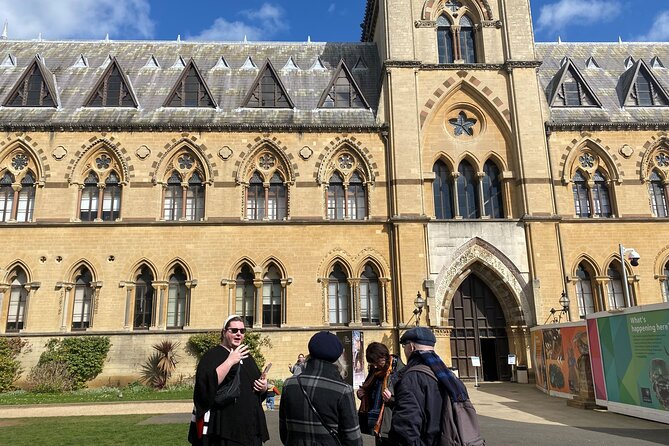
You begin at Oxford University Museum of Natural History on Parks Rd. That location matters because it sets the theme immediately: the city’s museums are not neutral containers. They were built, funded, and shaped by the world that British institutions reached into.
From the start, the tone is thoughtful and reflective. The museum visit is short, but it is designed to frame how natural objects, science, and global collecting connect to colonial networks. You are not asked to memorize dates. You are guided to notice patterns and ask better questions.
This is a good fit if you like history that has teeth. You will probably leave with a more complicated view of why Oxford looks the way it does, and why its collections carry invisible context. The tour also promises deeper conversations beyond the usual sightseeing script, which is the whole point.
More History Tours in Oxford
- Oxford: 90 minute Architectural & Historical Highlights Tour
★ 5.0 · 23 reviews - Oxford Pub Tour: Historic Pubs and Local Brews
★ 5.0 · 10 reviews - History of Medicine Tour – by Uncomfortable Oxford™
★ 4.5 · 8 reviews
Discussion-Based Touring: How the Conversation Stays Human
The most praised part of this experience is how it handles hard topics. Multiple guides are singled out for creating an atmosphere where people feel comfortable speaking up. That does not mean everyone shares the same view. It means the guide works to keep the tone respectful and the discussion grounded.
If you are the type who hates being talked at, this approach will feel like relief. People describe the balance as engaging, sensitive, and interactive. You should expect time for discussion, not just facts. The guide also seems to manage turns fairly, so the loudest voices do not dominate the hour and a half.
I also like the careful line they walk. One of the themes is colonialism and the British Empire, including the troubling side of how Oxford has benefited from them. But the tour keeps its focus on thinking, not shaming. That makes it easier to participate, even if you are still forming your own views.
Still, keep your expectations realistic. This is a walking tour with museums included, and the time is tight. So you are not going to become an expert in British imperial scholarship by the end. What you will gain is a stronger way to look at Oxford during the rest of your trip.
From Natural History to Pitt Rivers: Seeing Collections as Arguments
After the Natural History Museum, the route shifts toward other museum spaces in Oxford, including the Pitt Rivers Museum. That pairing is clever. One museum gives you the scientific collecting lens, and the other adds the anthropological and display lens. Together they push you to think about how objects get labeled, interpreted, and presented.
A standout topic mentioned in guide-led conversation is the background around the Cecil Rhodes scholarship. The tour does not treat it as a tidy success story. It discusses diversity problems tied to the scholarship and points out racist historical attitudes connected to Rhodes. That is exactly the kind of context that transforms a museum visit from pretty to meaningful.
What this means for you in practice is simple. When you look at labels and exhibits, you will start asking who decided what mattered. You will notice how the museum voice can sound neutral, while the underlying story is anything but.
If you like “read the room” travel, this is your kind of tour. You get to combine observation with interpretation. And because it is part of a group walk, you can hear different ways people process the same information.
Oxford’s Walking Stretch: How the City Becomes a Classroom
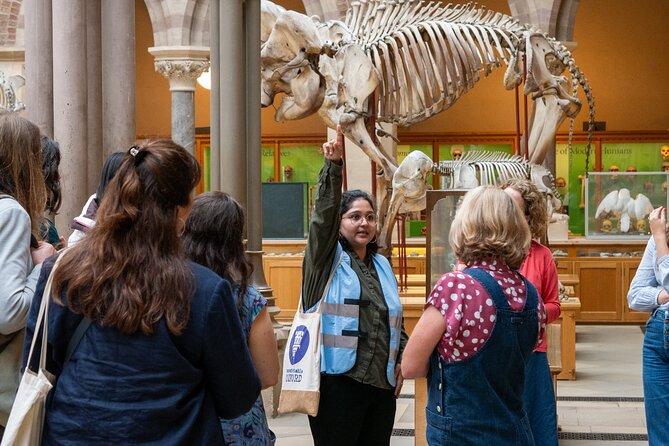
Once you leave the first museum stop, you move through Oxford on foot. That matters because Oxford’s streets, building styles, and sightlines help the discussion land. The tour is not trapped inside glass cases. It uses the walking rhythm to connect what you learn to the city you are actually seeing.
Some guides are praised for keeping the group together and making sure everyone contributes. That is more important than it sounds. When you are moving around, you want to feel like you are with the tour, not chasing it.
Also, the tour is designed to broaden your Oxford perspective. Instead of treating the city like a postcard, it positions Oxford as a place shaped by global history. So even when you are just walking between points, the conversation keeps pulling you back to the same central question: how does Oxford’s past show up in its present?
If you have limited time in Oxford, this walking format is efficient. You get city orientation plus a deeper interpretive layer. And because it is discussion-led, you can leave with ideas rather than just notes.
More museum visits in Oxford:
- Tower of London and Crown Jewels Exhibition Ticket
★ 4.5 · 6,677 reviews - Chelsea FC Stadium Tours and Museum
★ 5.0 · 1,908 reviews - Official tickets: Moco Modern & Contemporary Art Museum
★ 4.5 · 1,157 reviews - British Museum London Guided Tour Semi-Private 8ppl Max
★ 5.0 · 984 reviews
Timing, Group Size, and Where to Meet on Parks Rd
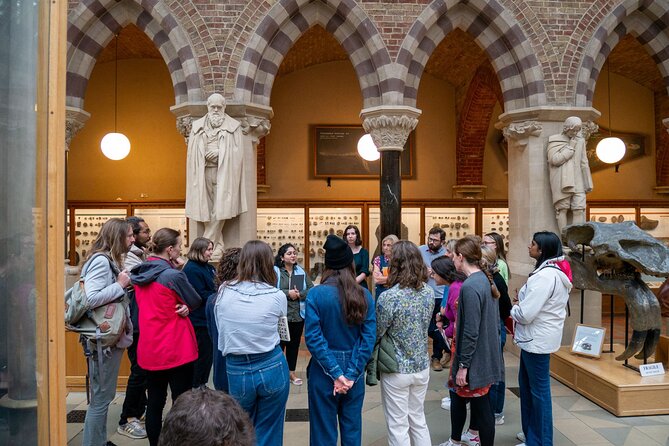
This tour runs about 1 hour 30 minutes. It is a short window, so it helps to plan like you are going to a show. Arrive early, get your bearings at the meeting point, and be ready to move when the guide starts.
The meeting point is the Oxford University Museum of Natural History, Parks Rd, Oxford OX1 3PW, UK. The tour ends back at the meeting point. That loop is practical. You are not wondering how far you will end from where you started.
The group is capped at 15 travelers, which is a sweet spot for discussion. Small enough for everyone to stay engaged, large enough to create a lively conversation. You should feel the group energy, but not so much crowd noise that it kills the talk.
One more practical note. The experience lists that it is near public transportation and that service animals are allowed. Most travelers can participate, so you likely will not need special planning beyond comfy shoes for a walking route.
Price and Value: Why $96.11 Can Be Worth It
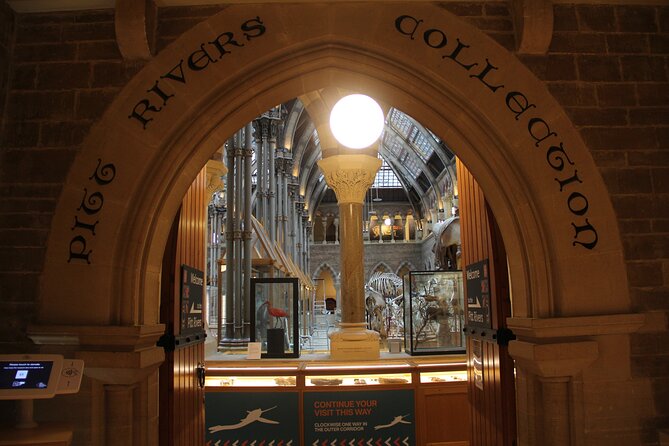
At $96.11 per person, this is not a budget add-on. But the price starts to make sense when you look at what you are actually getting.
First, you get guided museum time. The tour description says it includes entry into several museums, and the itinerary lists a free admission ticket for the Natural History Museum segment. Even if you expected to pay entry on your own, you are building that cost into the tour.
Second, you are paying for interpretation and facilitation. The central promise is not only that the guide knows Oxford, but that they can lead conversations about the British Empire and colonialism in a way that keeps the group engaged. That kind of guided discussion is hard to replicate on your own.
Third, you get structure. A museum on your own can turn into wandering, reading labels, and moving on. Here, you are steered toward themes the route wants you to see. That helps you use your limited time in Oxford more wisely.
If you like museums but you hate feeling like you are only scraping the surface, the value becomes stronger. You are paying for that “what am I looking at and why?” layer.
What to Expect From the Guide Experience
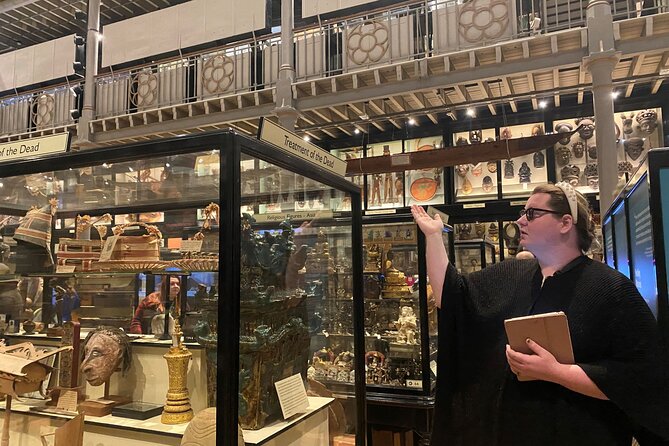
Different runs may feature different guides. What stays consistent is the style. You can get a sense of what good facilitation looks like from guides named in past experiences.
Ffion is described as excellent, delivering a lot of information in an accessible way. Devika is praised for being sensitive and for keeping the group together, while also making sure participants could contribute. Cameron is specifically mentioned for fostering interesting discussions along the way.
That blend suggests a guide who works both with the facts and with the group dynamic. If you want a tour where it is okay to have questions and you do not want the conversation to flatten into slogans, that matters.
One caution from real-world experience: there was at least one case where the guide did not show up on time and the guest hoped for a refund. That is not something you can fully predict, but you can protect yourself with smart habits. Arrive early. Confirm you are at the right museum entrance area. Keep your phone available in the first few minutes in case the guide needs to reach you.
Who This Tour Fits Best in Your Oxford Plan
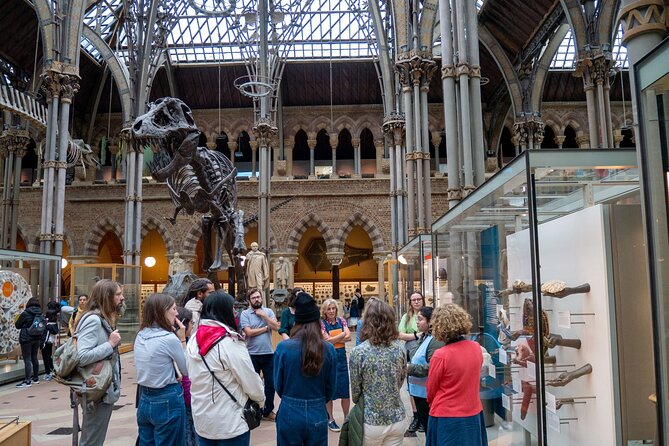
This tour is a strong match for you if you want more than sights. If you like your travel with context, and you want to understand how Oxford connects to colonialism and the British Empire, this format will likely feel rewarding.
It is also a good choice if you prefer a group setting that still leaves room for discussion. With a maximum of 15 people, you are not stuck listening to one monologue. The tour seems built around questions and exchange.
If you are traveling with kids, note that the topics can be uncomfortable, even when handled respectfully. The content is not just dry history. It is about power and racism and how institutions worked. You might decide based on your family’s comfort level and how well your group handles discussion.
If your travel style is strictly passive, this may feel like too much talking. But if you like to engage and ask questions, it is exactly the right pace for a short museum-focused walk.
Should You Book Uncomfortable Oxford’s Natural History Tour?
Book it if you want a small-group Oxford experience that uses museums as a starting point for real conversations. The combination of museum entry and facilitated discussion is the value here, especially if you care about understanding how the city’s collections and institutions link to empire.
Skip it if you want a quick, neutral sightseeing walk with minimal conversation. Because the tour theme is uncomfortable by design, you should be ready to think and talk, not just look.
If you do book, do two simple things: get to the meeting point early on Parks Rd, and treat the first 10 minutes as important. With a 90-minute total time, good coordination makes the difference between a thoughtful start and a frustrating scramble.
FAQ
How long is the Natural History Museum Tour in Oxford?
It is listed as approximately 1 hour 30 minutes.
How much does the tour cost per person?
The price is shown as $96.11 per person.
Where does the tour start?
The tour starts at Oxford University Museum of Natural History, Parks Rd, Oxford OX1 3PW, UK.
Is the tour offered in English?
Yes, it is offered in English.
Does the tour include museum entry?
Yes, it includes entry into several museums, and the first stop is Oxford University Museum of Natural History.
What is the group size limit?
The tour has a maximum of 15 travelers.
How do I get the ticket?
You receive a mobile ticket.
Is it near public transportation, and are service animals allowed?
It is near public transportation, and service animals are allowed.
Will I get confirmation after booking?
Yes, confirmation is received at the time of booking.
What is the cancellation policy?
Free cancellation is available, and you can cancel up to 24 hours in advance for a full refund.
Recently added around Oxford
- Harry Potter PRIVATE Tour + Self Guided Christ church Daily 12.45★ 5.0 · 32 reviews
- Oxford’s Historic Pubs: A Self-Guided Walking Tour★ 5.0 · 5 reviews
- Discovering Cheltenham: A Self-Guided Audio Tour★ 4.5 · 23 reviews
- Harry Potter PUBLIC Tour + Self Guided Christ church Daily 12.45★ 5.0 · 82 reviews
- History of Medicine Tour – by Uncomfortable Oxford™★ 4.5 · 8 reviews
- Oxford Pub Tour: Historic Pubs and Local Brews★ 5.0 · 10 reviews
- Oxford: 90 minute Architectural & Historical Highlights Tour★ 5.0 · 23 reviews
- Fun, Flexible Treasure Hunt Around Oxford with Cryptic Clues & Hidden Gems★ 5.0 · 202 reviews
Museums, compared.

Tower of London and Crown Jewels Exhibition Ticket
Read our review →
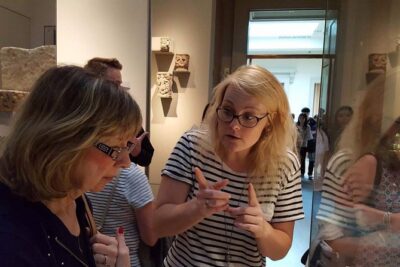
British Museum London Guided Tour Semi-Private 8ppl Max
Read our review →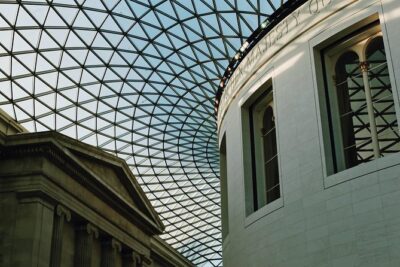
The British Museum London – Exclusive Guided Museum Tour
Read our review →


Skip the Line: Liverpool Beatles Museum – The perfect tribute to the Beatles
Read our review →
Browse the lists this tour appears in